
The Dallas Cowboys Defensive Debate: Is Christian Parker Getting a Fair Shake?
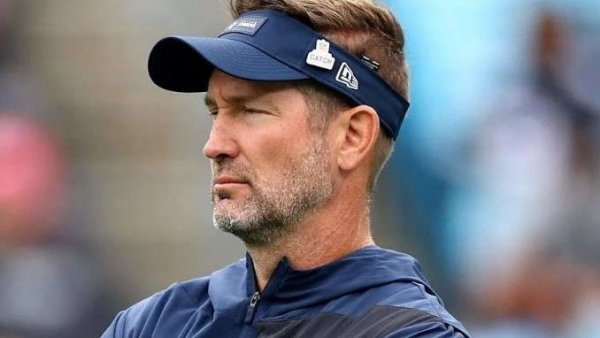
The discussion surrounding the Dallas Cowboys and their defensive coordinator, Christian Parker, has taken a drastic turn. Fan reactions have surged, and many are calling for changes due to what they perceive as a disappointing season on defense. The argument focuses on whether Parker should shoulder the blame for the Cowboys' defensive struggles, or if he is merely a scapegoat for deeper issues within the organization. With the Cowboys historically ranking so low defensively over the last few seasons, should any young coordinator face the axe this early in their tenure?
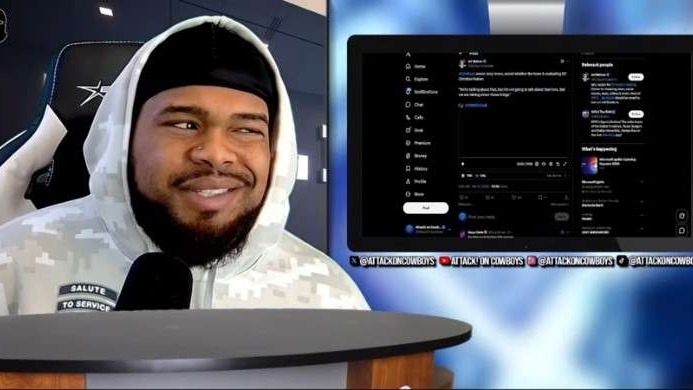
In 'Dallas Cowboys Discussing “POSSIBLE CHANGES” at Defensive Coordinator!', the discussion raises vital questions about the future of Christian Parker, prompting us to break down the context and implications of this controversial situation.
Understanding the Performance Metrics of Recent Seasons
To grasp the current situation, it’s crucial to delve into the Cowboys' defensive rankings over the past five years. In the 2026 season, the Cowboys reportedly landed as the 30th ranked scoring defense. The year before, in 2025, they ranked 32nd. Comparing these metrics against other seasons shows that the defense has experienced lows, but it’s important to acknowledge that they managed more turnovers and exhibited improved pressure on opposing quarterbacks this season. While these factors might not entirely mask the issues at hand, they indicate that Parker's leadership may not be the sole reason behind the team's defensive challenges.
Cultural and Systemic Impacts: Why Blaming Parker Might Be Premature
Fan frustration often leads to a quick blame game, especially in high-stress environments like the NFL. However, Parker is navigating a system that has seemingly led to poor performances by several defensive coordinators in recent seasons. The systemic issues run deeper, reaching beyond Parker to the philosophies being employed by the franchise. As he aims to establish a defensive identity in a tumultuous climate, it's paramount to evaluate the broader coaching strategies and support systems—or lack thereof—that may be hindering success.
Historical Context: Learning from Other Coaches' Experiences
It's worth examining the careers of notable defensive minds such as Brian Flores and Robert Saleh, who faced similar struggles in their early seasons. Their paths show that patience is often needed in the NFL; young coordinators can experience slow starts yet evolve into successful leaders given the proper time and support. The Cowboys front office may need to reconsider their approach rather than rushing to pull the trigger on Parker’s career; otherwise, they risk stifling his potential while deterring other talented coaches from wanting to join.
What’s Next for the Dallas Cowboys Defense?
The debate surrounding Parker is a testament to the larger cultural issues within the Cowboys organization. Fans, players, and management alike must channel their frustrations into constructive conversations rather than scapegoating a young play-caller for systemic failures. As the perennial favorite to compete for championships, the Cowboys need to unite in their approach, allowing for open discussions about strategies and execution without jumping to blame individuals who are still learning the ropes.
Ultimately, the future of the Cowboys will hinge significantly on the decisions made in the coming weeks. The team must ask themselves: how can they improve as an organization and provide a stable environment for coaches and players alike? For the sake of their franchise and its fans, the focus should shift from blame to learning, growth, and teamwork.


Write A Comment