 Add Element
  Add Row

Did you know that nearly 40% of working-age adults in Dallas County lack the skills needed for a living wage job in today’s workforce? This is more than just a startling number—it’s a call to action for everyone who cares about Dallas’ future. Dallas education and workforce development are changing fast, with local schools, colleges, families, and businesses all searching for bold solutions. The city’s ability to thrive depends on how well we prepare young people not just for graduation, but for high-quality careers and lifelong learning.
Unpacking Dallas Education and Workforce Development: A Surprising Perspective
The story of Dallas education and workforce development is full of both hard truths and hopeful shifts. Whether you’re a parent, student, employer, or resident concerned for the city’s future, it’s important to understand how this evolving landscape impacts every part of community life. From the halls of Dallas ISD high schools to local career institutes, schools and employers are working to bridge the gap between education and job-readiness. These combined efforts are responding to a real need: the Texas Workforce Commission reports major industries across Greater Dallas require skilled employees for in-demand roles—and many graduates lack the practical experience or training to step in.
Yet, amazing things are happening. Career schools and programs, especially those strengthened by partnerships with local industries, are introducing high school students to technical education long before graduation day. Community colleges and universities are aligning their curriculums with the job market, aiming to launch more young people into living wage careers. Progress is steady, but barriers like limited access to quality child care and the scramble for better early education still stand in the way. This article cuts through the noise to show both the challenges and solutions—shaped by those closest to Dallas' education and workforce development journey.
As Dallas continues to innovate in education and workforce pathways, it's valuable to consider how leadership and legacy shape the broader community. For a unique perspective on local leadership and the impact of family-driven vision, explore Charlotte Jones’s reflections on the Dallas Cowboys’ legacy and family journey, which highlight the importance of resilience and collaboration in driving long-term success.

Startling Facts About Dallas ISD and Workforce Development
Dallas ISD high school graduation rate: Over 88%, yet fewer than 35% are considered "college or career ready."
Dallas County’s young adult unemployment rate is nearly double the city average, pointing to a workforce that’s eager but underprepared.
Technical education and career institutes are growing, but high school enrollment varies widely by neighborhood.
Workforce Solutions Greater Dallas estimates that 50,000 local job openings go unfilled each year due to skill mismatches.
Child care shortages are among the top three barriers for parents striving for education and better job placement.
What You’ll Learn About Dallas Education and Workforce Development
How Dallas education and workforce development initiatives are evolving
The impact of high school and higher education efforts
Workforce development’s role in economic growth
Barriers to success, including child care challenges
Expert and local opinions shaping the debate
Dallas ISD's Role in Dallas Education and Workforce Development
At the heart of the region’s educational ecosystem is Dallas ISD, one of Texas’ largest urban school districts. The choices and innovations that Dallas ISD pursues ripple across thousands of families, not just preparing students for college, but for the new face of workforce development. In recent years, Dallas ISD high schools have adopted a more hands-on, career-focused curriculum, understanding that not all good jobs require a four-year college degree, but most require skills beyond basic academics. Their expanded technical education offerings work side by side with local businesses, Dallas College, community colleges, and industry partners to ensure that students are well-versed in the real-world needs of Dallas employers.
Yet, challenges remain. While many Dallas ISD schools are excelling, resource gaps between neighborhoods persist, and access to advanced coursework or technical programs can still be a postcode lottery. Greater community engagement, combined with innovative partnerships, offers a path forward. As Dallas ISD overcomes these gaps, the ripple effect will uplift the whole city—pointing toward a more stable, prepared, and equitable local workforce.
Innovative Approaches in Dallas ISD High Schools
One standout trend is the way Dallas ISD high schools are developing programs directly connected to the needs of local industries and the broader workforce. Efforts like early college high schools and career institutes offer students the chance to earn certifications, hands-on experience, or college credits before graduation. This gives Dallas ISD students a powerful early advantage. Leadership collaborates with workforce development boards and business partners, ensuring that the technical education offered is matched to high-growth fields—from healthcare to advanced manufacturing.
Dallas ISD has also shifted toward project-based learning and internships, recognizing that workplace skills are as much about communication and collaboration as they are about technical mastery. By embedding workforce development into the DNA of high school education, the district is setting a precedent for urban school systems nationwide. The goal: Graduates who are not just educated—but equipped, empowered, and employable.
Partnerships between Dallas ISD and local industries to strengthen workforce development pathways
Ongoing collaboration with Dallas industry partners has sparked the formation of career academies and workforce readiness programs, with companies offering mentorship, internships, and job shadowing for students. These partnerships ensure that technical education and soft skills training do not happen in a vacuum but reflect actual workforce needs, especially in high-demand sectors such as STEM and trades. Dallas ISD benefits from greater resources, and students can envision clear pathways from high school to well-paying jobs, whether they attend college or not.
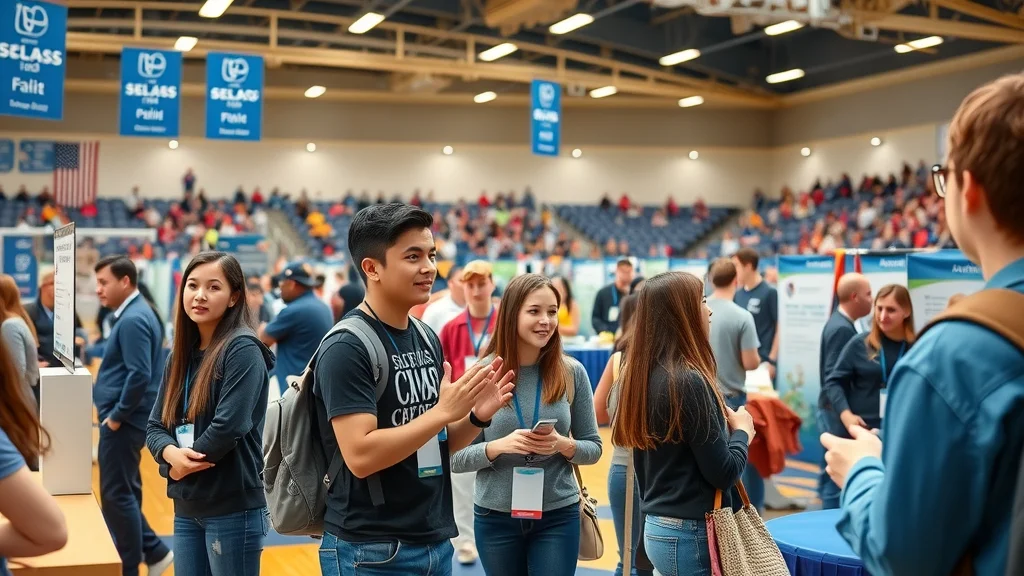
Emphasis on STEM and career/technical education for high school students
In the race to ready students for the 21st-century economy, Dallas ISD places a strong emphasis on STEM—science, technology, engineering, and math—alongside robust career and technical education courses. There are now more dual-credit opportunities, career and technical pathways, and industry-recognized certifications than ever before in Dallas County schools. This early exposure not only boosts academic engagement but ensures young people don’t just graduate—they graduate with options.
“Our students are the backbone of Dallas’ future workforce.” – Dallas ISD Official
Higher Education and Workforce Development in Dallas
After high school, the focus shifts toward higher education, with Dallas College, other community colleges, and area universities playing starring roles. Higher education institutions in Dallas are redesigning programs to meet regional workforce needs, offering tailored workforce training and partnerships for students from every background. Dallas College offers rapid upskilling, industry credentials, and transfer programs aligned with emerging job markets. This collaboration ensures graduates can join the workforce and earn a living wage—crucial for an economy where many jobs require more than a high school diploma but less than a four-year degree.
Still, systemic barriers remain. Many students at Dallas College or local universities juggle work, family, and classes—particularly those coming from Dallas ISD or adult education backgrounds. Bridging the gap between high school completion and college or technical certification requires targeted support, financial aid, and expanded community resources. But thanks to ongoing innovation and strong industry partnerships, Dallas’ higher education ecosystem is critical for closing the skills gap and supporting local economic growth.
How Colleges Shape the Dallas Workforce
Colleges and universities in Dallas don’t just educate—they collaborate with employers to design relevant workforce pathways. Community colleges and four-year universities alike work closely with the Texas Workforce Commission and local industry leaders, developing associate degrees, certificates, and apprenticeships that actually match today’s job openings. Dallas College, for instance, features programs in information technology, healthcare, advanced manufacturing, and early education—areas where skilled professionals are in high demand.
Efforts like the Rising Star scholarship or Dallas Promise ensure that higher education is accessible for diverse students, while also preparing them for jobs that pay a living wage. Local higher education institutions constantly assess program effectiveness, adjust to labor market trends, and partner with businesses to provide work-based learning. This ongoing collaboration is key to fostering an educated workforce—one that’s trained, adaptable, and able to power Dallas’s growth into the next decade.
Dallas College and Dallas County Community Colleges: Offer technical education programs directly linked to local industry needs.
University of North Texas at Dallas: Drives teacher, public administration, and STEM workforce initiatives.
Southern Methodist University (SMU): Focuses on business, law, and tech sector job readiness.
Texas Woman’s University Dallas: Delivers healthcare and nursing pipeline programs.
Paul Quinn College: Promotes social impact careers, entrepreneurship, and workforce internships.
Major Dallas Colleges/Universities and Workforce Development Programs | |
Institution |
Key Workforce Programs |
|---|---|
Dallas College |
Advanced Manufacturing, Nursing, IT Certifications, Early Education Pathways |
UNT Dallas |
STEM Readiness, Teacher Training, Public Policy Internships |
SMU |
Data Analytics, Business Leadership, Legal Careers |
Texas Woman’s University Dallas |
Healthcare Workforce, Nursing Residency, Allied Health Programs |
Paul Quinn College |
Business Incubators, Service Leadership, Community Workforce Partnerships |

The Critical Connection Between Child Care and Workforce Development
No conversation about dallas education and workforce development is complete without addressing the critical barrier of child care access. Many students in Dallas ISD, Dallas College, and even local universities have young children. Without reliable child care, these families often find it impossible to complete schooling or take on new job opportunities. In Dallas County, there's a pressing shortage of affordable, quality child care slots—especially in neighborhoods where both parents work or attend school.
The intersection of early education and workforce development is especially pronounced in Dallas. Local leaders, such as Workforce Solutions Greater Dallas, have piloted strategies to connect job seekers and students with child care, but gaps remain stubborn. Until this problem is solved, the full potential of Dallas’s future workforce will remain untapped.
Child Care Access as a Barrier to Dallas Education and Workforce Success
The numbers tell a bigger story: More than 60% of Dallas children under age five live in "child care deserts," areas with few licensed centers or providers. For young parents pursuing high school diplomas, college degrees, or career school programs, a lack of safe, affordable child care options means missed classes and lost job opportunities. Workforce Solutions, Dallas ISD, and various education institutions are experimenting with flexible schedules, child care stipends, and on-campus care, but solutions are patchwork at best.
Community groups, employers, and education advocates are calling for scalable, citywide answers—because making child care access universal would unlock higher graduation rates, career advancement, and economic mobility for thousands of Dallas residents. Improving early education also lays the foundation for the lifelong learning Dallas’s future workforce will need to succeed.
Dallas County’s lack of quality child care is linked directly to higher dropout rates among young parents.
Nearly 25% of two-parent households in Dallas use informal, sometimes unreliable child care—hindering job consistency.
Community pilot programs pairing job training with child care have boosted program completion rates by over 30%.

“Without stable child care, families can’t fully participate in education or the workforce.” – Local Advocate
Navigating Workforce Development in Dallas: Challenges and Solutions
Across Greater Dallas, workforce development has evolved into a team effort involving public schools, community colleges, city agencies, and business leaders. Career readiness is now embedded in K-12 curriculums, and workforce solutions—from job placement to skills training—are accessible at every education level. Workforce Solutions Greater Dallas spearheads citywide programs, while public-private partnerships deliver employer-driven innovation and targeted upskilling. Despite progress, persistent challenges include gaps in technical education, job placement for recent grads, and a mismatch between worker skills and in-demand roles.
Programs such as YouthBuild, NextGen, and sector partnerships bring together educators, students, local employers, and community leaders to design nimble, effective workforce pipelines. Dallas’s approach is practical: create career ladders, not just jobs. As new manufacturing jobs, IT careers, and healthcare roles flood the Dallas market, ongoing communication between educators and business is essential. This cycle of feedback and adjustment will be what ultimately bridges the gap between education and workforce success.
Key Workforce Development Initiatives and Programs
Dallas’s workforce development landscape is diverse and growing. The city’s career school and technical education offerings include not just traditional degrees but stackable credentials, apprenticeships, and rapid-skills boot camps for both young people and adult job seekers. Dynamic partnerships with Dallas College and the Texas Workforce Commission support innovative job-matching, career fairs, and pathways targeting above-average wage industries. These programs directly address the needs of Dallas’s changing economy and serve as lifelines for workers seeking job security or upward mobility.
Key efforts include expanding early learning teacher pipelines, upskilling programs for service members and veterans, and micro-credential courses for working adults. Through targeted funding, living wage initiatives, and employer-driven advisory boards, Dallas makes workforce solutions everyone’s business. The city’s economic future hinges on these collaborative, adaptive, and inclusive development efforts.
Citywide job placement and career navigation through Workforce Solutions Greater Dallas
High school-based career institutes linking students with internships and industry mentors
Employer-driven training academies in sectors like healthcare, tech, trades, and logistics
Public-private funding partnerships expanding access to living-wage careers across Greater Dallas
“We’re not just creating jobs, but building career ladders for Dallas residents.” – Workforce Development Leader
Lists: Top 5 Opportunities for Improving Dallas Education and Workforce Development
Expanding access to early childhood education for all neighborhoods
Strengthening career and technical education at the high school level
Fostering collaboration between higher education and industry to reflect real workforce needs
Increasing funding for workforce training programs and wraparound supports
Enhancing support systems such as child care for working and learning families

People Also Ask About Dallas Education and Workforce Development
What is the current state of dallas education and workforce development?
Answer: Dallas education and workforce development is undergoing significant transformation due to partnerships, innovative school programs, and a focus on aligning education with local labor market needs.
How does child care impact dallas workforce development?
Answer: Accessible, quality child care allows more parents to engage in educational pursuits and workforce participation, boosting talent pipelines throughout Dallas.
FAQs on Dallas Education and Workforce Development
How are Dallas ISD high schools addressing workforce readiness?
Dallas ISD high schools are partnering with local businesses and career institutes to introduce technical education, project-based learning, and early college credit options, giving students practical skills and certifications for immediate job opportunities.What are major workforce development programs in Dallas?
Key programs include Workforce Solutions Greater Dallas, YouthBuild, Dallas College career tracks, and employer-driven apprenticeships that match training to the fastest-growing industries.How is higher education involved in city workforce initiatives?
Dallas College, local universities, and community colleges align their programs with employer needs, offer career placement, and provide degrees and credentials shaped for high-demand sectors like healthcare, IT, and logistics.What challenges do Dallas families face in accessing education and jobs?
The biggest hurdles are often lack of quality child care, income insecurity, transportation costs, and finding flexible program options to balance work, learning, and parenting responsibilities.
Key Takeaways for Dallas Education and Workforce Development
Collaboration among Dallas ISD, higher education, and industry is vital
Workforce development success depends on addressing social factors like child care
Continued public support and innovation can fuel Dallas’ future economic growth
Conclusion: The Future of Dallas Education and Workforce Development
My Perspective on What Needs to Happen Next
“A holistic, community-centered approach will unlock Dallas’s true potential in education and workforce development.”
Explore More Solutions—Get Involved in Dallas’ Education and Workforce Transformation
Dallas’ path forward depends on community voices, creative partnerships, and investment in every learner. Support local schools, advocate for accessible child care, and build bridges between education and jobs—the city’s future is built together.
If you’re inspired by the way education and workforce development are shaping Dallas, you may also appreciate stories of leadership and perseverance that have influenced the city’s culture. Discover how the Jones family’s journey with the Dallas Cowboys offers lessons in vision, adaptability, and community impact by reading Charlotte Jones’s insightful reflections on the Cowboys’ legacy and family struggles. Their experience underscores the value of determination and collaboration—qualities that are just as vital in transforming education and workforce opportunities. Exploring these narratives can provide fresh perspective and motivation as you consider your own role in Dallas’s ongoing growth.
To deepen your understanding of the local context for dallas education and workforce development, consider visiting Discover What Makes Dallas, Texas So Unique. This resource offers insights into the city’s distinctive culture, industries, and community dynamics, helping readers appreciate how education and workforce initiatives fit into Dallas’s broader story. For ongoing news and updates about Dallas’s neighborhoods, cultural trends, and community resources, Dallas Living is a helpful destination. If you’re serious about navigating and contributing to Dallas education and workforce development, these resources will give you valuable local perspective and actionable community information.


Write A Comment