 Add Element
  Add Row

Did you know that only 10% of Dallas residents participate in local elections—even though these decisions shape daily life and the city's future? This surprising statistic underscores the vital importance of dallas local government and civic engagement, reminding us that the direction of every neighborhood, school, and policy is determined not by a distant authority but by our participation right here in Dallas. This article explores why getting involved is more important than ever, and how each of us can help shape a more vibrant, resilient, and just Dallas for all.

A Surprising Truth About Dallas Local Government and Civic Engagement
Recent studies reveal that only 10% of Dallas residents participate in local elections, despite the city's influence on daily life—highlighting the urgent need for increased civic engagement. This low turnout persists even as decisions made at city council meetings, by de la ciudad administrators, and through various task force initiatives directly determine school funding, police presence, water quality, and economic opportunities across the Dallas region and north Texas. When an overwhelming majority of dallas citizens stay home on Election Day, they surrender their voices in decisions affecting public safety, social service access, economic mobility, and quality of life in neighborhoods from downtown Dallas to outer areas bordering Fort Worth.
While it’s easy to focus on state and national politics, it’s the dallas local government and civic engagement efforts that make or break the resilience of local communities. Dallas area civic leaders, from the citizens council to grassroots coalition groups, regularly urge residents to get involved with the council vote and city departments. The outcome is clear: a lack of engagement means fewer voices shaping the future of policies, programs, and public administration that define daily experience in la ciudad. The key to unlocking positive change lies in boosting meaningful participation and channeling Dallas’s vibrant community spirit toward proactive change.
Understanding the impact of civic engagement on a city’s culture and legacy can be seen not only in government but also in the stories of influential Dallas figures. For example, Charlotte Jones’s reflections on her journey with the Dallas Cowboys offer a unique perspective on leadership, community influence, and the responsibilities that come with shaping a city’s identity. Her insights highlight how civic-minded leadership extends beyond public office and into the heart of Dallas’s most iconic institutions.
What You'll Learn About Dallas Local Government and Civic Engagement
How Dallas local government functions and its impact on citizens
Key civic leaders influencing public policy
Opportunities and challenges in civic leadership
Ways to enhance civic engagement in Dallas
Understanding the Dallas Local Government: City of Dallas Structure
City of Dallas Council and City Government Overview
The city of Dallas operates under a council-manager form of government—one designed to balance local representation with professional administration. At its heart is the city council, comprised of elected representatives from single-member districts across the Dallas region. These civic leaders work closely with the mayor and a professional city manager to develop public policy that impacts everything from infrastructure investments to public safety. City council meetings serve as the primary arena where policies affecting de la ciudad are proposed, debated, and ultimately adopted through council vote. Residents can observe meetings, participate in public hearings, or even join a task force to represent specific neighborhood interests, ensuring city-wide accountability and transparency.
The structure of Dallas’s government is designed to foster both innovation and accountability. Elected officials set vision and priorities, such as resilient Dallas plans for economic mobility and social service expansion, while the city manager oversees daily operations, from police and fire departments to city planning. By dividing responsibilities, the system offers checks and balances, aiming to prevent any single entity from monopolizing authority. Community voices are heard through city council, citizens council, advisory boards, and public comment periods. For dallas residents seeking positive change, understanding this structure is the first step toward meaningful civic engagement and improved quality of life for all.

What Type of City Government Does Dallas Have?
Dallas operates under a council-manager system, distinguishing itself from many Texas municipalities. Under this model, the city council—comprised of representatives from all corners of Dallas—sets policy priorities and makes major decisions on budgeting, infrastructure, and citywide regulations. The city manager, appointed by the council, acts much like a chief executive officer, overseeing day-to-day operations of more than 40 city departments including public administration, utilities, zoning, and parks. This separation of roles is designed to leverage both democratic accountability and professional expertise, allowing the city to adapt rapidly to evolving needs while maintaining transparency and service quality as demanded by dallas citizens throughout la ciudad and the greater dallas region.
The council-manager system empowers Dallas residents not only by ensuring their elected representatives reflect diverse neighborhood perspectives, but also by providing multiple avenues for civic engagement through task force involvement, city board participation, and active input during council meetings. By understanding how policy flows from council vote to city management, dallas residents can more effectively advocate for what matters most in their daily lives, whether it’s economic mobility, enhanced public safety, or sustainable growth.
The Importance of Civic Engagement in Dallas Local Government
What is the Civic Engagement of the Government?
Civic engagement refers to the meaningful actions and involvement of citizens in the governance process. This isn’t just limited to participating in local elections; it also includes volunteering for city initiatives, attending city council sessions, joining advisory boards, and liaising with public officials to advocate for policy reforms. Effective civic engagement bridges the gap between dallas residents and the complex machinery of la ciudad, ensuring public administration is shaped by the needs and aspirations of those it serves. When more voices join these conversations—by serving on task force groups or offering feedback during planning meetings—the resulting policies become more responsive, inclusive, and likely to uplift the quality of life for all within the Dallas region.
Active civic engagement also builds trust in government transparency, fosters stronger ties within and between neighborhoods, and plays a vital role in crafting resilient Dallas solutions, such as responses to climate challenges, social service access, and public safety concerns. By empowering dallas citizens to participate directly, civic engagement ensures local government remains accountable to its diverse population while advancing shared prosperity and well-being.
What is the Role of Civic Engagement?
Civic engagement serves as the cornerstone of a responsive and accountable local government. It ensures that the citizens council, city council, and appointed leaders remain attuned to the evolving needs of every Dallas community. When residents get involved, from attending policy-setting meetings to advocating for new programming on a task force, they ensure that their unique voices shape decisions affecting everything from public safety to economic mobility. This diversity of input ultimately leads to more robust and equitable policies, which better reflect the priorities of Dallas’s neighborhoods, schools, and businesses.
Furthermore, increased civic engagement builds social capital—creating networks of trust and cooperation that can weather challenges, drive innovation, and strengthen the city’s resilience. It transforms government into a partnership rather than a distant authority, motivating city departments to prioritize quality of life improvements as directed by those with lived experience in de la ciudad and throughout dallas county.

Dallas Civic Leaders and Public Policy Influence
Profiles of Civic Leaders Shaping the Dallas Region
Dallas thrives on the dedication of its civic leaders—those who champion change, foster dialogue, and push the needle on critical public policy debates. From long-standing members of the citizens council to innovative young leaders representing emerging neighborhoods, these individuals exemplify what’s possible when civic leadership and a commitment to service intersect. Their advocacy on key issues such as affordable housing, equitable transportation, public safety, economic mobility, and educational improvement strengthens every part of the dallas region.
Notable figures include task force chairs tackling climate resilience and directors of grassroots organizations working closely with city council. By leveraging both institutional knowledge and community networks, Dallas’s civic leaders bring together stakeholders from every walk of life to shape la ciudad’s future. Their work in partnership with city departments, advocacy groups, and engaged dallas citizens demonstrates that lasting public policy reforms are possible through persistent engagement and collaboration.
"True civic leadership is measured by the positive changes it brings to our communities." – Prominent Dallas Civic Leader

Civic Leadership and Training Programs in Dallas
Opportunities for Civic Leadership in the Dallas Region
Dallas is committed to nurturing the next generation of civic leaders through a wealth of hands-on opportunities. From volunteering with established organizations to joining policy task force groups for the city council, residents are encouraged to step into leadership roles that directly benefit their neighborhoods and the broader dallas region. Some programs even partner with local universities and businesses to deliver specialized training in public administration, economic mobility planning, and social service coordination, expanding the horizons of what civic leaders can accomplish within la ciudad and beyond.
Groups like the Dallas Citizens Council and leadership training initiatives offer valuable skills—ranging from negotiation and public speaking to legislative tracking and media relations—empowering everyday citizens to transform civic engagement into meaningful leadership. As a result, the dallas community gains energetic advocates for public policy reforms, infrastructure investments, and equitable solutions to long-standing challenges facing north Texas.
Training Program Spotlight: Dallas Public Policy Academy
A standout training program, the Dallas Public Policy Academy provides structured education for aspiring civic leaders who wish to influence public administration and strengthen de la ciudad’s resilience. This Academy seeks dallas residents from all backgrounds, offering courses on the workings of city departments, the ins and outs of city council vote procedures, and the process of building consensus across diverse communities. Attendees learn not only how to advocate for issues like economic mobility and quality of life but also how to develop the leadership and project management skills needed to chair a task force or contribute to a visiting scholar exchange focused on governance best practices.
Participants graduate better prepared to engage meaningfully with city council, influence public policy through data-driven advocacy, and serve as conduits between government and the citizens council. Ultimately, these training programs create a pipeline of civic leadership talent ready to move Dallas forward.

Barriers and Solutions to Civic Engagement in the City of Dallas
Barriers |
Potential Solutions |
|---|---|
Limited awareness of civic processes |
Community education campaigns |
Lack of trust in city council |
Transparent governance initiatives |
Time constraints for residents |
Flexible engagement opportunities |
Many dallas residents struggle with barriers that prevent greater civic engagement. For some, limited awareness of government operations and ongoing city council projects makes it challenging to participate effectively in local affairs. Others hesitate due to historical mistrust of city departments or past policy decisions by la ciudad, especially in communities historically left out of the decision-making process within the dallas region. Finally, time constraints—work schedules, family obligations, and transportation challenges—often stand in the way of deeper involvement.
Despite these challenges, innovative city and community groups are enacting bold solutions. Education campaigns inform citizens about council vote structures and public administration opportunities, while transparent governance—such as live-streamed council meetings and open data platforms—restores public trust. Flexible engagement options like digital town halls, evening workshops, and on-demand volunteer shifts help dallas citizens overcome scheduling barriers, making meaningful involvement possible for all. Tackling these obstacles head-on is the key to creating a more resilient Dallas rooted in collective civic leadership.
Civic Engagement vs. Community Engagement: Understanding the Difference
What is the Difference Between Community Engagement and Civic Engagement?
While community engagement and civic engagement are often used interchangeably, there’s an important distinction: Community engagement involves neighbors coming together for shared activities—like block parties, charity drives, or festivals—that strengthen social connections and neighborhood bonds in la ciudad, de la ciudad, and the wider dallas region. By contrast, civic engagement refers to actions that directly impact public decision-making, such as voting in city council elections, attending city hearings, or working on a policy-focused task force. Both are vital, but civic engagement wields a direct influence over the future direction of public policy and the services that underpin quality of life in Dallas.
Effective civic leadership seamlessly blends both forms of engagement, cultivating a dallas community that’s not only socially strong but also actively shaping citywide priorities through formal channels in the city of dallas. This balance is crucial for ensuring municipal government delivers results that reflect the needs and aspirations of all residents.
Community engagement: Neighborhood cleanups, cultural festivals
Civic engagement: Attending city council meetings, voting, policy advocacy
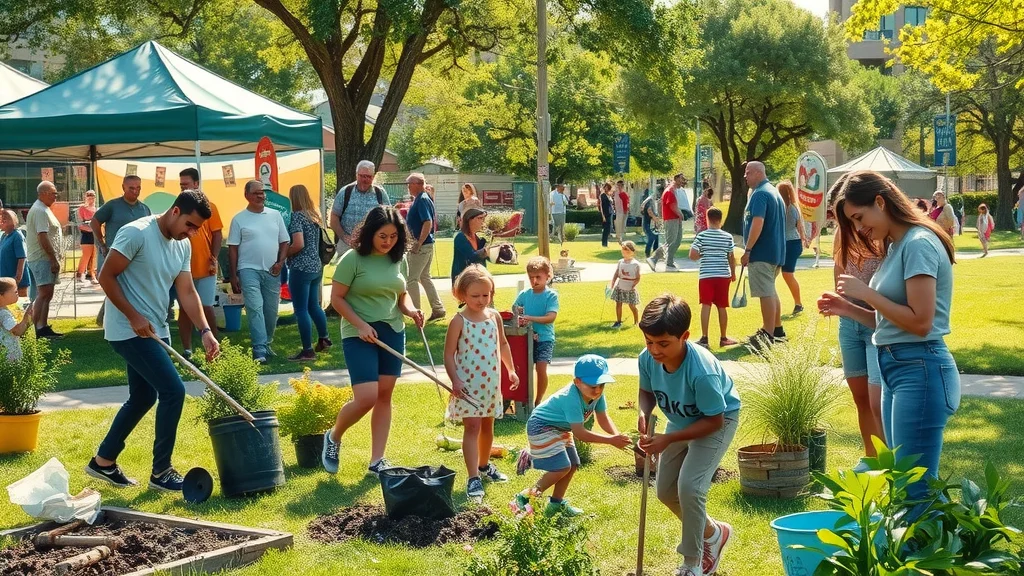
Dallas Region Success Stories: Impactful Civic Engagement Initiatives
Neighborhood-led park revitalizations
Successful city council policy reforms
Civic leadership groups empowering youth
One of the most remarkable aspects of dallas local government and civic engagement is how grassroots initiatives—like revitalizing disused parks—can spark long-term public policy change and inspire citywide action. In recent years, dallas region residents have transformed neglected green spaces into vibrant centers for community gatherings, all thanks to resident-driven task force coalitions. These small group efforts have caught the attention of city council members, who then champion similar projects throughout la ciudad, leveraging their experiences to create broader policy reforms.
Civic leadership groups, including youth programs and the Dallas Citizens Council, have played pivotal roles in shaping inclusivity and transparency. By providing platforms for young leaders and historically underrepresented voices, these programs ensure governance in the city of dallas reflects the diversity and dynamism of the entire community.
"Civic engagement in Dallas transforms communities and inspires confidence in our public policy." – Local advocacy organization
People Also Ask: Dallas Local Government and Civic Engagement
What is the civic engagement of the government?
Civic engagement refers to ways that citizens participate in governance—from voting to volunteering—helping influence policies and community priorities. In Dallas, this includes active involvement with city council, advisory boards, and public forums that shape la ciudad’s decision-making. The city of dallas encourages all residents to join in these processes, recognizing that true progress relies on widespread participation and feedback from across the dallas county and dallas region.
What is the difference between community engagement and civic engagement?
Community engagement centers on social and cultural involvement, whereas civic engagement involves activities that impact government decisions and public policy. While participating in a neighborhood block party or festival strengthens social bonds, attending a city council meeting, joining a policy task force, or submitting feedback on city planning proposals enables dallas residents to directly affect decisions made by city departments and the city council. Both forms of engagement are essential for building a thriving, resilient Dallas, but only civic engagement grants residents a voice in the creation and implementation of local policy.
What type of city government does Dallas have?
Dallas uses a council-manager system where an elected city council determines policies and a professional city manager implements them. This model creates clear channels of accountability and opens pathways for civic engagement, allowing residents to influence both strategic direction and the daily workings of public administration. The balance of leadership and management ensures la ciudad can respond nimbly to the changing needs of all dallas citizens.
What is the role of civic engagement?
Civic engagement holds government accountable, ensures representation, and shapes the direction of local public policy. When citizens participate in city council votes, serve on advisory committees, or raise issues pertinent to their neighborhoods, they drive the city of dallas toward more equitable, sustainable outcomes. This active involvement underpins the progress seen throughout dallas county—making Dallas a model for resilient, community-driven municipal governance.
FAQs: Dallas Local Government and Civic Engagement
How can I get involved with Dallas local government?
Attend city council meetings, volunteer with social service or civic organizations, participate in neighborhood forums, or register for leadership training programs like the Dallas Public Policy Academy.Who are some influential civic leaders in the city of Dallas?
Leaders emerge from city council, citizens council, community coalitions, and influential grassroots organizations, all shaping public policy and driving civic engagement across the dallas region.Which public policy issues are most pressing in Dallas right now?
Top concerns include economic mobility, affordable housing, public safety, equitable access to city services, and transparent governance—a focus shared by task forces and civic leaders citywide.What resources are available to learn about civic leadership in Dallas?
Dallas offers training programs, online workshops, mentorship through civic groups, and city-sponsored learning academies designed to empower residents as public policy advocates and neighborhood leaders.How does civic engagement improve the quality of life in Dallas?
It enhances government accountability, fosters responsive city programs, and creates a sense of community ownership—factors proven to elevate safety, well-being, and progress for all dallas citizens.
Key Takeaways: Dallas Local Government and Civic Engagement
The city of Dallas and its civic leaders play pivotal roles in shaping local policy.
Civic engagement is essential for effective governance and community progress.
Training programs and leadership initiatives are making civic involvement more accessible.
Identifying barriers is the first step toward greater public participation.
Conclusion: The Future of Dallas Local Government and Civic Engagement
A thriving city depends on proactive civic engagement and effective civic leadership. By deepening our understanding and commitment to these principles, Dallas residents can shape a brighter and more inclusive future for all.
Next Steps: How You Can Engage with the Dallas Local Government
Get involved with your local government and become part of the movement for positive change. Join public meetings, volunteer for initiatives, or apply for leadership training programs to strengthen Dallas from within.
As you consider your own role in Dallas’s civic landscape, remember that the city’s future is shaped by the collective actions of its residents—whether through government, business, or community leadership. Exploring the journeys of influential Dallas figures, such as Charlotte Jones and her impact on the Cowboys legacy, can offer fresh inspiration for how leadership and civic values intersect in unexpected ways. By learning from these stories and seeking out new opportunities for engagement, you can help drive meaningful change and ensure Dallas remains a city defined by resilience, innovation, and shared purpose. The next chapter of Dallas’s story is waiting to be written—your voice and involvement can make all the difference.
To further deepen your understanding of Dallas local government and civic engagement, the resource Discover What Makes Dallas Texas So Unique offers a comprehensive look at the unique cultural and civic elements that set Dallas apart, providing historical context and practical advice on becoming an involved citizen. Additionally, Dallas Living serves as a dynamic hub for the latest news, community events, and city updates, making it an essential guide for anyone seeking to stay informed and actively engaged in local happenings. If you're serious about making a real impact in Dallas, these resources will give you the background, knowledge, and tools to take action.


Write A Comment