 Add Element
  Add Row

Did you know Dallas commuters spend an average of 54 hours per year stuck in traffic? This number isn’t just a statistic—it’s a clear sign of the real-life impact that Dallas transportation and infrastructure issues have on each person’s daily experience. Whether you’re a student, parent, business owner, or daily commuter, the story of Dallas transportation and infrastructure is your story too. In this in-depth look, discover how city council debates, historic decisions, and future-facing plans are shaping the future of Dallas mobility—and how your voice matters now more than ever.
Unveiling Dallas Transportation and Infrastructure: A Surprising Snapshot

A Startling Fact About Dallas's Mobility Plan
"Did you know Dallas commuters spend an average of 54 hours per year stuck in traffic? This tells us more than numbers—it reflects the real impact of dallas transportation and infrastructure challenges on daily life."
Dallas is one of the biggest economic and cultural engines in the Lone Star State, yet its transportation and infrastructure are facing major hurdles. Traffic congestion, aging pump stations, and patchwork public transit create real frustrations for travelers across Dallas County. The mobility plan designed by the Dallas city council aims to tackle these issues head-on—setting goals for safe, reliable highways, reimagined public transit, and modernized water management. As stakeholders debate which projects to fast-track, from pump station upgrades to extending the Dallas floodway, it’s clear that these daily struggles and strategic choices will shape the entire region’s future. The stakes could not be higher for keeping Dallas moving and thriving.
As Dallas continues to address these infrastructure challenges, it’s worth noting how city leadership and community engagement have played pivotal roles in shaping the city’s direction. For a deeper look at the impact of local leadership and family legacy on Dallas’s growth, explore Charlotte Jones’s reflections on the Dallas Cowboys’ ownership journey, which offers unique insight into the city’s evolving identity and the importance of visionary stewardship.
What You’ll Learn About Dallas Transportation and Infrastructure
The current landscape and pressing issues of dallas transportation and infrastructure
How Dallas city council decisions shape infrastructure projects
The role of pump stations and their effect on mobility and safety
Expert analysis on the Dallas 2045 mobility plan
Strategies Dallas could adopt to improve mobility and sustainability
Historical Context: How Dallas Transportation and Infrastructure Have Evolved
Tracking Mobility Plans from Past to Present

The journey of Dallas transportation and infrastructure reflects decades of changing priorities and explosive population growth. In the early 20th century, Dallas’s streetcars and highways formed the backbone of its mobility, linking neighborhoods and rooting new businesses. But as suburban expansion soared, city council priorities shifted—favoring car-centric roads, sprawling highways, and fewer investments in public transit. The 1970s and 1980s saw a surge in highway construction, which often divided communities and left lasting equity gaps in places like Cadillac Heights and South Dallas.
By the 1990s, growing awareness of flood risk along the Dallas floodway and the need for resilient water infrastructure spurred critical upgrades. New mobility plans, including early drafts of what would become today’s Dallas 2045 Mobility Plan, began reflecting the city’s need to balance cars, buses, and bikes, while also prioritizing flood risk management projects such as the Hampton pump station and levee system improvements. Learning from previous city council decisions, Dallas has sought to include more community voices and expert input, making historic lessons central to shaping tomorrow’s Dallas city infrastructure.
Lessons from Earlier Dallas City Council Projects
Looking back on earlier Dallas city council projects, several takeaways stand out. High-profile upgrades to pump stations, including technological modernization of the Hampton pump, were crucial in tackling flooding in Dallas County. These improvements showed the value of risk management and collaboration with agencies like the Corps of Engineers. However, they also highlighted the need for greater transparency, long-term funding, and ongoing maintenance—especially in neighborhoods at higher flood risk or with aging infrastructure.
Over time, Dallas city council members have learned that investing in major infrastructure also means weighing competing interests: balancing the calls of business leaders, environmental advocates, and residents alike in decision-making. Past failures, like underfunded maintenance or inadequate community engagement, have sparked new demands for inclusive planning and equitable access—inspiring the current mobility plan’s goals and the focus on uplifting communities across North Texas.
Current State of Dallas Transportation and Infrastructure
Transport Mode |
Ridership |
Coverage |
Accessibility |
Key Issues |
|---|---|---|---|---|
Public Transit (DART) |
~220K daily |
Central, limited suburbs |
Moderate (some gaps in underserved areas) |
Limited expansion, funding shortfalls, inconsistent frequency |
Highways |
1.5M+ vehicles daily |
Extensive—city and inter-city |
High (traffic congestion a major problem) |
Ongoing congestion, road maintenance backlog, emissions |
Bike Lanes |
~2K daily |
Central Dallas with few connectors |
Low (limited routes, many unsafe crossings) |
Disconnected network, safety, low investment |
Pedestrian Access |
Highly variable |
Better downtown, poor in some outer areas |
Mixed (uneven walkability, missing sidewalks) |
Safety, ADA compliance, connectivity issues |
This snapshot shows both strengths and challenges for Dallas transportation and infrastructure in 2024. Dallas boasts a vast highway network, but the cost is ongoing traffic congestion—making movement slow and stressful, especially during peak hours. Dallas Area Rapid Transit (DART) connects the urban core and some suburbs, but coverage remains thin in many neighborhoods needing service most. Walkability and bike lane projects are expanding but remain underfunded compared to roads. And across all modes, weather, environmental sustainability, and equity are rising concerns for Dallas city council and Dallas County leaders.
The current landscape includes not only new bridges and highways but cutting-edge pump station technology and better risk management for the Dallas floodway. With such complex needs, it’s vital that the Dallas city continues to prioritize transparent planning and keep residents at the center of every discussion, especially when it comes to the next decade of city council investment.
The Dallas 2045 Mobility Plan: Vision, Progress, and Controversy
Key Goals and Metrics of the Mobility Plan
The Dallas 2045 Mobility Plan was developed to tackle long-standing pressures in Dallas transportation and infrastructure, with a vision that stretches over the next two decades. Its key goals include reducing traffic congestion, improving connections between neighborhoods, modernizing pump stations and flood management, expanding public transportation, and enhancing sustainability for long-term growth. The plan also establishes benchmarks: cutting average commute times, bringing DART ridership to new highs, adding safer bike lanes, increasing accessible pedestrian paths, and completing overdue bridge repairs.
Metrics like flood risk management along the Dallas floodway or energy efficiency in city operations are central as well. Coordinated by a city planning team, the plan is designed to allow regular updates and public feedback—ensuring that evolving needs are always reflected. But with large-scale projects come large-scale costs—and contentious debates within the Dallas city council and among Dallas County voters have arisen about priorities and deadlines. The implementation of the mobility plan will require ongoing evaluation and city council oversight to stay on track.
Public Opinion and Dallas City Council Debate

There’s no shortage of passionate opinions on Dallas transportation and infrastructure. Many residents support the mobility plan’s focus on equity and sustainability, calling for urgent action on outdated pump stations and neglected flood risk zones in areas like Cadillac Heights. Others argue for more highways and faster commutes, fearing that funding for transit or bike lanes could come at the expense of road maintenance. Within the Dallas city council, debate over budget allocations, transparent governance, and public involvement is intense—drawing on the experiences of council members, program managers, and even outside advisors like the Corps of Engineers.
Recent council meetings have seen heated exchanges over the number one priority for Dallas transportation system investments: should risk management for flooding come before new transit routes, or vice versa? Public surveys reveal a city ready for change, yet divided on how and where to begin. As public input shapes revisions to the mobility plan, one thing is clear: lasting progress will require balancing all modes of travel and addressing the needs of both central Dallas and outlying communities.
Critical Infrastructure Components: From Pump Stations to Bridges
Pump station upgrades and their impact
Bridge repairs and safety concerns
Water and stormwater management in Dallas city infrastructure
Pump stations operate behind-the-scenes but are key pillars of Dallas transportation and infrastructure resilience. Upgrading the Hampton pump station and similar facilities reduces flood risk and ensures roads stay open during extreme weather—critical in Dallas County where flash flooding is a real threat. Bridge repairs, too, are a pressing priority; aging structures spanning the Dallas floodway and regional waterways require constant upkeep to remain safe for commuters. Failing to maintain Dallas’s bridges and pumps can bring costly disruptions when storms strike.
Efforts by engineers and the city’s project managers have also refocused attention on water and stormwater management. Modern pump station technology isn’t just about thicker pipes—it means smarter sensors, automated controls, and leveraging partnerships with the Corps of Engineers for risk management. With climate patterns shifting, the city council and city of Dallas infrastructure teams are rethinking how to future-proof the entire mobility network from roads to rivers, all while ensuring underserved neighborhoods are not left behind.
Dallas City Council: Policy Drivers in Transportation and Infrastructure
City Council Decision-Making: Navigating Competing Interests

The Dallas city council sits at the heart of every major transportation and infrastructure decision. Council members must weigh the interests of diverse stakeholders—businesses seeking seamless freight movement, families calling for safe school routes, and environmental advocates focused on sustainability. When projects like the Hampton pump station upgrades or new bridge repairs are on the table, every voice matters. Often, the council divides over resource allocation and transparency, making the role of clear communication and solid data more important than ever.
Internal debates within the Dallas city council center around how best to prioritize neighborhood needs while accounting for the city’s overall risk profile. The input from program and project managers, urban planners, and community groups all play a part. This collaborative, sometimes contentious atmosphere ensures decisions are rigorously evaluated for both immediate benefits and long-term impact, especially as Dallas faces accelerating growth and aging infrastructure challenges.
Notable Votes and Case Studies
Several votes by the Dallas city council have shaped the course of Dallas transportation and infrastructure for years to come. For example, the commitment to flood risk management in the Dallas floodway led to bipartisan support for the Hampton pump station overhaul after severe flooding closed key roads. Other votes—such as approving the latest phase of the mobility plan, or directing funds toward equitable public transit in South Dallas—were shaped by compelling case studies and public pressure campaigns.
Noteworthy, too, are instances where council member Mendelsohn and others led the call for transparency in contractor selection and budget monitoring. These case studies illustrate how robust oversight by the dallas city council, along with proactive community participation, ensures that transportation system upgrades are not only technically sound but responsive to the needs of everyone in Dallas County.
Lists: 7 Major Challenges Dallas Faces in Transportation and Infrastructure
Traffic congestion and road maintenance
Limited public transportation options
Inequitable access for underserved communities
Environmental and sustainability hurdles
Outdated pump station technology
Transparent governance and city council accountability
Funding gaps and budget allocations
These seven challenges reflect a complex landscape in Dallas transportation and infrastructure. Addressing them will demand not just innovative engineering but also open dialogue, responsive leadership, and creative financing. Still, overcoming these obstacles offers Dallas a genuine opportunity to set new standards in resilience, equity, and mobility for other large cities to follow.
Quotes: Voices Shaping Dallas Transportation and Infrastructure
"It's not enough simply to build roads—how we move matters more than ever." – Dallas urban planner
"Dallas's mobility plan will require innovative thinking and active community involvement." – Local policy analyst
People Also Ask: Dallas Transportation and Infrastructure FAQ
[[paa_question_1]]
[[paa_question_2]]
[[paa_question_3]]
[[paa_question_4]]
Answer: [[paa_question_1]]
Addressing [[paa_question_1]], the most congested areas in Dallas typically include major highway interchanges such as the downtown Dallas Mixmaster and the Stemmons Freeway corridor. These hotspots experience daily bottlenecks due to high commuter volume and limited alternate routes. To address this, the Dallas city council and planning team are exploring new traffic management technologies as a key focus of the ongoing mobility plan, aiming to relieve pressure especially during peak hours.
Answer: [[paa_question_2]]
In response to [[paa_question_2]], the Dallas city council funds road repairs through a combination of dedicated transportation budgets, local and state funding, and occasional bond programs approved by Dallas County voters. Recent city council projects have prioritized high-traffic corridors and bridges at higher flood risk—often using risk management data to allocate resources most effectively. Transparency in this process remains a top concern among council members and city residents.
Answer: [[paa_question_3]]
For [[paa_question_3]], pump stations play an essential role in Dallas infrastructure by keeping key roadways and neighborhoods safe from flooding, especially in zones like the Dallas floodway and Cadillac Heights. The Hampton pump station and others have been crucial in reducing flood risk and protecting the functioning of Dallas’s transportation system. Upgrades and maintenance are ongoing priorities in the mobility plan and critical to the city’s risk management strategy.
Answer: [[paa_question_4]]
To [[paa_question_4]], the city of Dallas is actively planning to expand public transportation options as part of the 2045 mobility plan. This includes adding new DART lines, increasing frequency on existing routes, and investing in last-mile connections like bike lanes and pedestrian infrastructure. By involving the Dallas city council and community stakeholders in the planning process, the city aims for a more equitable and accessible transportation network across Dallas County.
Innovation and Future Directions: Transforming Dallas Transportation and Infrastructure
Emerging Technologies and Sustainable Mobility Solutions
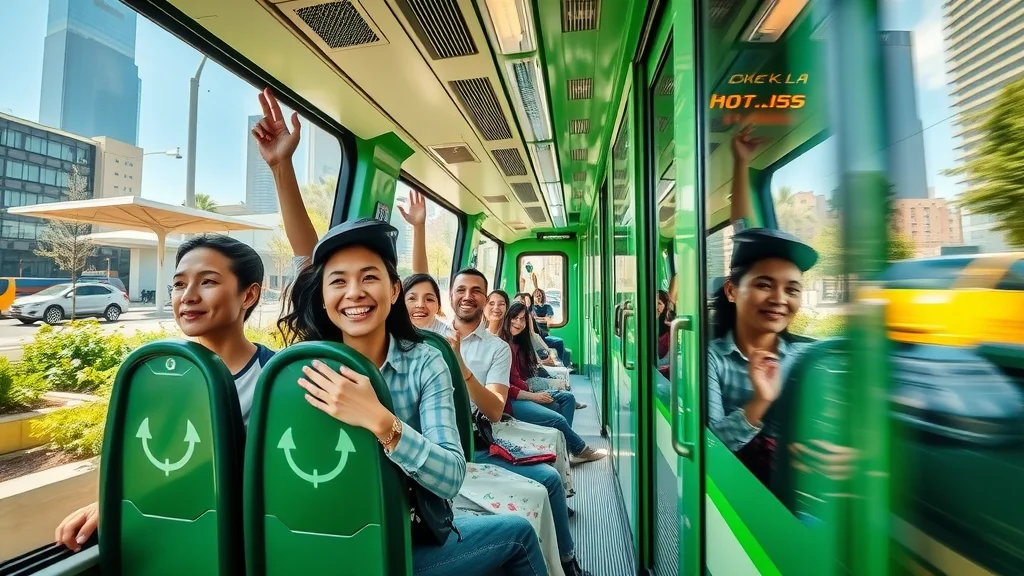
Looking forward, Dallas is poised to embrace transformative technologies in transportation and infrastructure. Emerging trends—like electric buses, high-efficiency pump stations, smart traffic lights, and real-time flood monitoring—are coming together to lower emissions, support safer travel, and boost reliability citywide. Investment in green energy, solar-powered transit hubs, and vertical gardens prove that future-forward solutions can also foster sustainability. The city council is working with experts, program and project managers, and community advocates to pilot these technologies wherever they can make the biggest impact.
In addition to hardware upgrades, data analytics and digital monitoring now power risk management, helping maintain the Dallas floodway and anticipate weather threats. Success, though, depends just as much on public buy-in and thoughtful planning as on shiny new gadgets—making transparent communication and feedback loops a top priority for every city council member and the broader community.
Community Engagement and Inclusive Planning
The most innovative Dallas transportation and infrastructure initiatives succeed because they draw on the energy and perspectives of residents themselves. Inclusive planning—where people from South Dallas, Cadillac Heights, Uptown, and everywhere in between share in shaping priorities—has become the new standard. Forums, open houses, and digital surveys allow for real-time feedback on city council decisions and new projects.
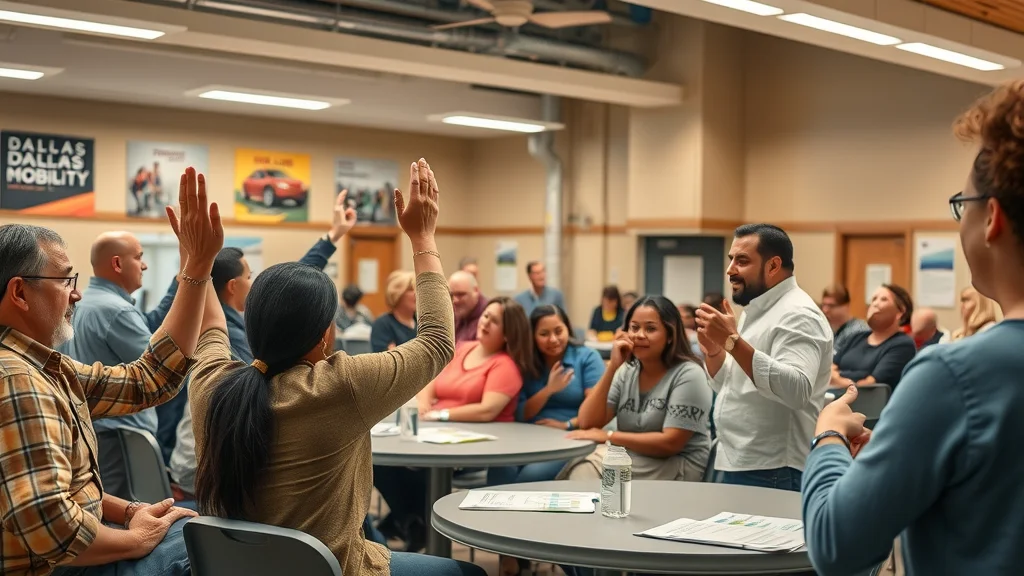
This approach isn't just symbolic; it ensures the mobility plan addresses real needs—like urgent repairs in flood-prone Dallas County neighborhoods or better transit connections where they're needed most. With strong city council leadership and community partnerships, Dallas can deliver solutions that uplift communities across North Texas and create truly resilient, sustainable mobility for decades to come.
FAQs About Dallas Transportation and Infrastructure
What are the most congested areas in Dallas?
How does the Dallas city council fund road repairs?
What role do pump stations play in Dallas infrastructure?
Is there a plan to expand public transportation options?
Key Takeaways on Dallas Transportation and Infrastructure
Dallas transportation and infrastructure is at a turning point—balancing growth with sustainability.
The mobility plan outlines clear goals, but implementation faces hurdles.
City council leadership and community input are vital for long-term success.
Conclusion: Shaping the Next Chapter in Dallas Transportation and Infrastructure
The Path Forward: Informed Advocacy and Civic Participation
For Dallas transportation and infrastructure to thrive, civic participation, community feedback, and informed advocacy are essential for keeping progress fair, transparent, and sustainable.
As you consider the future of Dallas’s roads, transit, and city planning, remember that the city’s story is shaped by the vision and determination of its leaders and residents alike. If you’re interested in how influential figures have navigated challenges and left a lasting mark on Dallas’s identity, you’ll find inspiration in the journey of the Jones family and their stewardship of the Cowboys franchise. Their experiences highlight the power of legacy, leadership, and community engagement—values that are just as vital in building a resilient transportation network. Take the next step in understanding Dallas’s evolution by discovering how Charlotte Jones’s reflections on ownership and family legacy offer broader lessons for anyone invested in the city’s progress.
Ready to get involved? Contact your Dallas city council representative today and make your voice heard in the future of Dallas transportation and infrastructure.
To gain a deeper understanding of the city’s unique growth and current challenges, be sure to visit Discover What Makes Dallas, Texas So Unique. This resource offers a comprehensive look at the regional characteristics influencing the development of Dallas’s infrastructure and transportation systems, providing context for both present conditions and future plans. Additionally, DallasLiving.us serves as a valuable hub for up-to-date guides and local perspectives, helping residents and stakeholders navigate changes and opportunities in the city’s landscape. If you’re serious about understanding Dallas transportation and infrastructure, these resources will give you an informed and well-rounded perspective supporting engaged community advocacy.


Write A Comment