
A Sweet Legacy: The Cambodian Influence in Texas Doughnut Shops
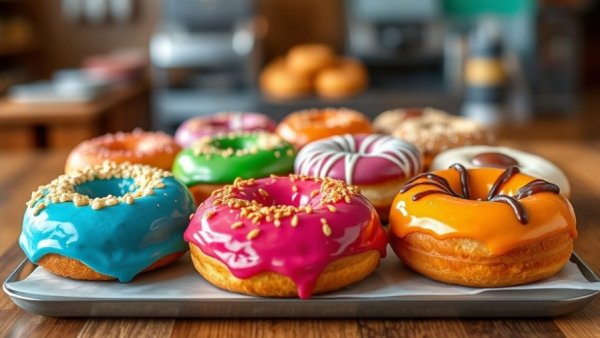
The smell of freshly baked doughnuts wafts through the air, drawing in early risers and eager customers alike. Nestled between other businesses in a strip mall, these shops often share more than just a love for pastries; they are a testament to the thriving Cambodian community that has made Texas a prime location for doughnut shops. With vibrant stories intertwined in every bite, the rise of these family-operated establishments illustrates how communities can forge new identities through food.
The Donut King: Ted Ngoy’s Journey
The tale begins with Ted Ngoy, who arrived in California with his family in 1975. As a refuge from the atrocities in Cambodia under the Khmer Rouge, he turned his fledgling circumstances into a thriving venture in the United States. By leveraging his training at Winchell’s Donuts, Ngoy became the “Donut King” after establishing his chain, Christy’s. His generosity paved the way for over 100 Cambodian families to realize their American dreams as they opened their shops, mirroring his original success.
Texas: The New Frontier for Cambodian Doughnut Shops
As the Cambodian population spread, so did the doughnut culture. California's overcrowding pushed families toward Texas, marking cities like Houston as new hubs for independent doughnut shops. Estimates suggest that around 90% of Houston's doughnut shops are Cambodian-owned, influenced by their predecessors. This trend continued to expand, reaching rural areas and leading to the creation of unique community ties through these beloved pastry spots.
Cultural Fusion: Kolaches and Doughnuts Unite
In Texas, the emergence of local specialties such as kolaches further combines cultural elements. These savory pastries alongside doughnuts offer a unique Texas twist, showcasing the blend of different culinary traditions. The doughnut craze has also given rise to breakfast staples, reinforcing the familial bonds as parents and children work together under one roof.
A Bright Future
Today, many doughnut shops are run by the next generation, who grew up in the family business. They not only maintain the traditions of their parents but also infuse them with new ideas that cater to evolving tastes. This intergenerational transfer of knowledge ensures that the shops continue to thrive and adapt to community demands.
Dallas: The Doughnut Capital
When the Washington Post declared Dallas among the nation's doughnut capitals, it captured a vital essence of the city’s culinary landscape. The city's doughnut shops stand out for their variety and quality, largely thanks to the deep roots established by Cambodian families and the fusion of local tastes. Dallas is home to independent shops like Morning Donuts and Gaston Donuts, which delight customers with their rich selection.
Community Connections through Food
The joy and resilience found in Texas doughnut shops extend beyond the kitchen. They embody the spirit of community, bringing families together and inviting locals to share in the warmth of a family-run workplace. These stories affirm that the beating heart of food culture often resides in personal narratives that bind people together through shared experiences and generosity.
Why This Matters
The phenomenon of Cambodian families running doughnut shops illustrates the remarkable resilience of immigrant communities in America. By supporting local businesses, consumers not only enjoy delicious pastries but also foster the rich tapestry of cultural blends that make Texas’s culinary scene so vibrant.
Next time you walk into a cozy doughnut shop in Texas, consider the story behind it—one of hope, hard work, and the sweet allure of freshly baked goods!



Write A Comment