

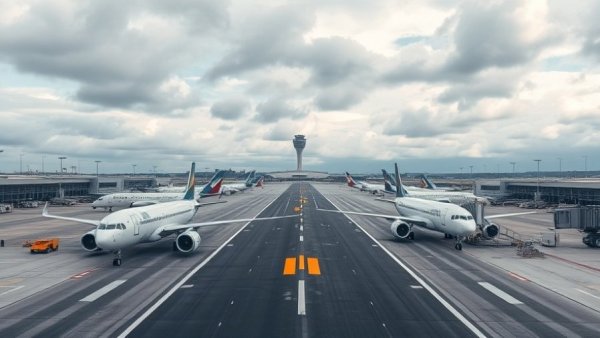
The FAA Lifts Nationwide Ground Stop: What It Means for Air Travel
On November 13, 2026, the Federal Aviation Administration (FAA) implemented a nationwide ground stop for all air traffic, an unprecedented measure in recent aviation history. After a few hours, the FAA lifted the suspension, restoring flights as authorities worked to resolve the technical issues that initiated this drastic step. But what does this mean for travelers and those in industries reliant on air transportation?
Understanding the Ground Stop: Causes and Context
A ground stop is an order issued to halt all flight departures within the U.S. airspace. This particular incident was triggered by a software error, highlighting vulnerabilities in the complex systems that maintain the safety and efficiency of air traffic. As the FAA explained, the issues were quickly addressed, and operations resumed. While air travel remains one of the safest modes of transport, even minor glitches can have significant ripple effects.
The Impact on Dallas' Transport and Business Ecosystem
In a city like Dallas, known for its vibrant business climate and robust transportation network, a nationwide ground stop raises questions about economic impacts, particularly for sectors reliant on timely shipping and travel. Dallas is home to numerous corporate headquarters and logistics companies, which thrive on seamless connectivity. Such disruptions can delay shipments, affecting everything from retail to the tech sector, where timely delivery of products can be a competitive advantage.
Crisis Management and Future Preparedness
Experts suggest that this incident serves as a wake-up call for crisis management strategies in air travel. Airlines and businesses alike may need to revisit their contingency plans to mitigate the impact of unexpected operational disruptions. For Dallas, ensuring that the city remains an attractive hub for corporate travel and logistics means improving responsiveness to such incidents.
A Learning Opportunity for Innovators and Entrepreneurs
This disruption could stimulate innovation. The need for improved systems to handle such dynamic scenarios presents opportunities for Dallas' tech startups and venture capitalists. By focusing on developing solutions for more robust air traffic management systems, local entrepreneurs can position themselves at the forefront of the aviation tech ecosystem.
Dallas Business Climate: The Importance of Preparedness
As the turbulence of this incident settles, it invites Dallas leaders to reflect on the various sectors affected. From the healthcare industry that relies on air travel for quick responses, to small businesses depending on freight deliveries, readiness is key. Ensuring investments in better business strategies and emergency protocols can position Dallas firms to better weather future disruptions.
As the story unfolds, Dallas stands at a unique intersection of technology, logistics, and corporate opportunities. What remains clear is that adaptability will mark the success of businesses in this unpredictable environment. The FAA's decision to end the ground stop not only symbolizes a return to normalcy for travelers but sets the stage for Dallas’s continued growth in the competitive landscape of American business.
Join the conversation about how this incident could reshape air travel and logistics in Texas. What innovations do you think will emerge as a response to this recent disruption?




Write A Comment