

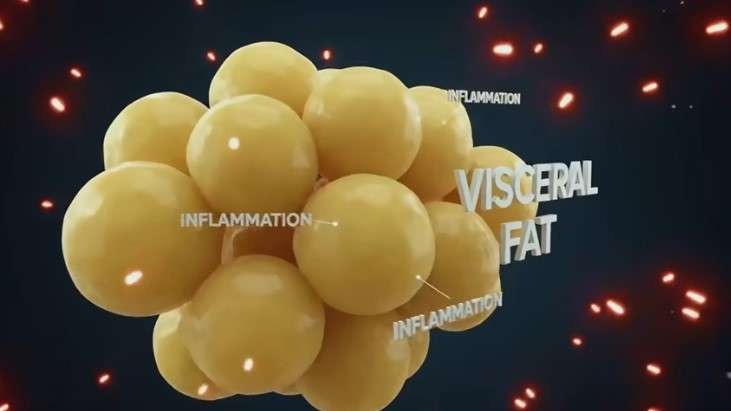
The Hidden Danger of Visceral Fat: What You Need to Know
When we talk about health and wellness, most narratives focus on external appearances. You may appear fit and healthy, but lurking beneath the surface could be a hidden danger: visceral fat. This type of fat surrounds your internal organs and is closely linked to serious health issues, including heart disease, diabetes, and inflammation. Understanding visceral fat is essential, as it can significantly impact your overall health, regardless of your outward appearance.
In 'How Often Should You Fast to Burn Organ Fat?', the discussion dives into how prolonged fasting can reduce visceral fat, inspiring a deeper analysis on its health advantages.
Prolonged Fasting: A Powerful Tool
One of the most effective methods for tackling visceral fat is prolonged fasting. This process triggers a metabolic state that can intensify fat burning and significantly lower insulin levels – a dominant hormone that impacts fat storage. Contrary to the notion that prolonged fasting is too difficult or painful, many individuals find it easier than expected once they understand how to prepare and the physiological changes that occur in their bodies.
The Right Steps: Starting Your Prolonged Fasting Journey
To successfully embark on prolonged fasting, gradual preparation is key. Instead of jumping straight into extended periods without food, experts recommend starting with intermittent fasting - perhaps a 16/8 method where you fast for 16 hours and eat within an 8-hour window. This educational process enhances your body’s ability to switch from burning glucose to burning fat, an essential transition before undertaking longer fasts.
Listening to Your Body: Managing Symptoms
As you begin your fasting journey, be mindful of potential symptoms such as dizziness or fatigue—common experiences as your body adjusts to lower insulin levels. One way to alleviate these challenges is by maintaining appropriate levels of sodium and potassium, as both can decrease significantly during fasting. For instance, integrating a teaspoon of sea salt into your daily hydration can prevent many feelings of fatigue and hunger associated with fasting.
The Science Behind Hunger and Fat Loss
Hunger may be one of the biggest challenges during fasting, but understanding how hunger hormones function can ease your concerns. These hormones fluctuate as your body adapts, often diminishing significantly after the initial days of fasting. Instead of succumbing to cravings, consider replacing meal times with light physical activities, like walking, to distract your mind and body from hunger.
Breaking the Fast: A Gentle Return to Eating
After completing your fast, it's crucial to break the fast gently. Gradually reintroduce food into your system with small, easy-to-digest meals. Engaging in this thoughtful transition prepares your digestive system and helps maintain the fat-loss benefits you've achieved during fasting.
How Often Should You Fast for Optimal Health?
Now, you may wonder how often you should perform these fasts to reap the benefits of visceral fat loss effectively. Emphasizing the need for personalization, the recommendations vary. For those with more fat to lose, a three-day fast every week paired with intermittent fasting may be beneficial. Conversely, individuals with less fat can incorporate one or two-night fasts every one to two weeks.
The Broader Health Implications
Beyond aesthetics, removing visceral fat is vital for improving mental and physical health. Reducing visceral fat not only mitigates the risk of chronic diseases but also contributes to better emotional wellness. Incorporating mindful practices such as meditation or yoga can enhance this journey, fostering a holistic approach to health that goes beyond just fasting.
Questions to Reflect On
As you consider implementing prolonged fasting into your routine, ask yourself: What are my health goals? How can I incorporate more mindfulness into my daily life? Do I need support to navigate this fasting process? Tailoring your answers to these questions can facilitate smoother transitions and better health outcomes.
In conclusion, incorporating prolonged fasting offers an empowering approach to tackling visceral fat and improving overall health. Embracing this practice can lead to profound changes, including a healthier body, better mental clarity, and enhanced emotional resilience. Are you ready to take the first step towards prioritizing your health?





Write A Comment