

How The Quality of Life in Dallas Can Transform Your Own
The decision to relocate is often sparked by more than just a job offer or a new adventure—it’s about creating a life filled with opportunity, comfort, and growth. When it comes to living in Dallas, the city delivers on all fronts. From affordable housing to excellent public transportation, a diversified job market, and a rich cultural tapestry, Dallas offers more than a place to stay; it offers a place to thrive. With a median household income above the national average and a cost of living that enables both singles and families to enjoy urban amenities, Dallas consistently ranks as a great place to live.
Investing in your move to Dallas sets the stage for long-term personal and financial growth. The city’s neighborhoods, like Oak Lawn and Lakewood, bring the best of entertainment, community, and green space, making Dallas a highly desirable place to live for people from all walks of life. Whether you’re attracted by the city’s reputation for live music, world-class performing arts, or its thriving local businesses, living in Dallas has the power to change your future by connecting you with opportunity and comfort in equal measure.
As you consider the many ways Dallas can enhance your lifestyle, it's also worth exploring how the city's ongoing economic development is fueling new job opportunities and shaping the future for residents. For a closer look at the latest employment trends and how they impact quality of life, check out the new job pipeline opportunities emerging from Dallas economic development.
A Surprising Fact: The Rapid Rise of Dallas as a Place to Live
Dallas has earned recognition as one of the fastest-growing cities in the nation, attracting more than 100,000 new residents per year over the last decade according to recent data from the Census Bureau. This explosive growth isn’t purely by chance. Dallas offers a unique blend of career opportunity, affordability, and cultural richness—elements that are increasingly rare in similarly sized cities. With each passing year, the city rises up the “best places to live” ranking, making it a top contender for people considering a change. Diverse neighborhoods, a thriving arts district, and a notable increase in the quality of life index are just a few of the reasons people are making the Dallas metro area their new home.

What You'll Learn About the Quality of Life in Dallas
Key factors influencing the quality of life in Dallas
How Dallas compares to Fort Worth and other Texas cities
Neighborhoods that make Dallas a great place to live
The impact of cost of living, job market, and median household income
Answers to common questions about living in Dallas
Defining Quality of Life in Dallas: What Does It Mean for You?
“Quality of life” isn’t just a catchphrase—it’s the combination of elements that shape your daily experience. In Dallas, this means balancing affordable housing, proximity to green space, and access to a rich calendar of local events with career mobility and safety. Unlike cities where the cost of living runs high, Dallas allows residents to keep more of their household income, freeing up resources for everything from enjoying the Dallas Arts District to planning for the future.
Dallas is also home to several leading educational and healthcare institutions, such as the University of Texas at Dallas, that add value not just for students and families, but for the broader community. With an ever-growing array of public amenities and a strong sense of community investment, quality of life in Dallas extends well beyond household finances—it’s about living in a city that truly invests in its people.
Factors Determining the Quality of Life in Dallas
Cost of living in Dallas
Job market competitiveness
Median household income
Education and healthcare access
Safety and community amenities
“Dallas offers more than just affordability—it’s a city where opportunity meets lifestyle.” – Local Economist
Each of these factors work together, shaping why so many call Dallas a great place to live. For example, Dallas’s competitive job market draws new talent nationwide, while its investments in public transportation and green space improve daily life for residents already here. In neighborhoods like Oak Lawn and Lakewood, walkability and diverse dining options create authentic connections—whether you’re a new arrival or a lifelong resident.
Living in Dallas vs. Fort Worth: Which Place Offers a Better Quality of Life?
Both Dallas and Fort Worth, often called “sister cities,” anchor a dynamic metro area known for its growth and amenities. Yet, despite their proximity, the two cities offer distinctly different lifestyles. When comparing living in Dallas vs. Fort Worth, Dallas takes the lead with its bustling downtown, internationally ranked arts district, and progressive job opportunities. In contrast, Fort Worth offers a slightly lower cost of living—a tempting draw for families or retirees seeking value.
However, when it comes to median household income, Dallas comes out ahead, clocking in above $72,000 (2024). With a quality of life index that consistently ranks higher according to Numbeo and other comparators, Dallas’s amenities, vibrancy, and economic promise make it a strong choice for those seeking a future of growth and comfort.
Comparing Fort Worth and Dallas: Cost of Living, Job Market, & Quality of Life Index
Factor |
Dallas |
Fort Worth |
|---|---|---|
Cost of Living |
Moderate |
Slightly Lower |
Job Market |
Diverse & Growing |
Stable |
Median Household Income |
$72,000 (2024) |
$68,000 (2024) |
Quality of Life Index |
168 (Numbeo, 2024) |
160 (Numbeo, 2024) |
While Fort Worth is known for its family-friendly energy and cowboy culture, Dallas leads in diversity, career options, and the overall quality of local amenities. For most professionals, young families, and those craving access to a lively urban scene, Dallas continues to shine as a great place to call home.
Why Dallas Is Often Considered a Great Place to Live
Dallas stands out for its forward-thinking spirit and high “places to live” ranking. Its arts scene—encompassing the Dallas Arts District and numerous live music venues—rivals that of much larger cities. Combine this with notable institutions like the University of Texas at Dallas and a robust transit system, and you begin to see why the city is celebrated for its lifestyle perks. Many residents echo the sentiment that “Dallas offers more,” whether that’s in entertainment, green space, or career growth.

Dallas isn’t just a geographical destination—it’s a cultural and economic launchpad. Strong public schools, thriving business sectors, and an ever-expanding culinary scene create an environment where people from all backgrounds feel welcome and can flourish.
Top Neighborhoods That Shape the Quality of Life in Dallas
A key factor in the quality of life in Dallas is choosing the right neighborhood. The city’s most celebrated communities, such as Oak Lawn, Lakewood, and Uptown, each bring something unique to the table. From vibrant nightlife to quiet, family-friendly streets, Dallas neighborhoods are designed with quality of life at the center.
Let’s dive into what makes these places to live exceptional—whether you’re a young professional seeking a lively urban environment, a growing family looking for park space, or a retiree drawn by community connection and amenities.
Places to Live in Dallas: Spotlight on Oak Lawn, Lakewood, and Uptown
Oak Lawn: Vibrant nightlife, diverse community, and walkability
Lakewood: Family-friendly, parks, and top schools
Uptown: Young professionals, urban amenities, and dining options
Oak Lawn thrives as the city’s hub for nightlife and inclusive spaces, attracting a broad spectrum of residents. Lakewood, on the other hand, caters to families craving green space, highly rated schools, and a strong sense of local community—the very definition of a great place to live for those raising children. Meanwhile, Uptown buzzes with activity, making it one of the top “places to live” for singles or young couples who want walkable access to dining, nightlife, and arts events.
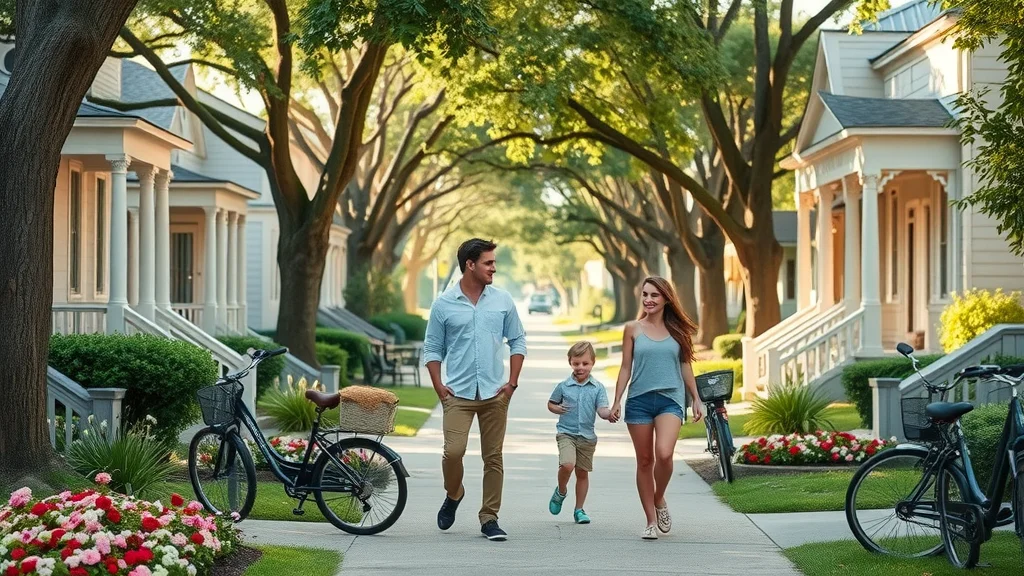
With affordable average home prices compared to other major metro areas, excellent public transit, and access to performing arts centers, these neighborhoods truly define why Dallas stands out in national “places to live” rankings.
Discover the Best Places to Live in Dallas. Watch as Oak Lawn’s nightlife, Lakewood’s tree-lined streets, and Uptown’s urban vibe are brought to life in a short, upbeat video montage featuring scenic neighborhoods, local amenities, and the welcoming faces that make Dallas unique.
Cost of Living in Dallas: How It Impacts Your Day-to-Day
When evaluating where to put down roots, understanding the cost of living in Dallas is essential. Dallas consistently offers an accessible balance between affordability and urban comfort. The average home price remains lower than the national average for similarly sized cities, while daily costs—from groceries to entertainment—are manageable for a range of budgets. Factor in efficient public transit, low commute times, and a growing market for green space, and it’s easy to see how the cost of living shapes both individual and collective quality of life.
Many people moving to Dallas find that their dollar goes further. With less of their household income going to housing or transportation, residents often invest more in personal growth, wellness, and experiences: whether relaxing in one of the city’s expansive parks, or taking in a show at the performing arts center downtown, the quality of life in Dallas is directly tied to its affordability.
Breaking Down the Cost of Living: Housing, Transportation, and More
Housing stands as the largest contributor to the overall cost of living in Dallas—but it’s remarkably accessible compared to other large U.S. cities. Whether you’re renting a cozy apartment in Uptown or shopping for a family home in Lakewood, there’s a broad range of options to suit every financial situation. Public transportation, managed by DART, serves the metropolitan area well, with affordable monthly passes and direct routes to popular districts.

Don’t overlook daily life costs either—utilities, groceries, and healthcare in Dallas tend to sit at or below the national average, according to the most recent figures. This means both short- and long-term residents benefit, making investment in your Dallas future both practical and appealing. In short, Dallas continues to support high standards of living without the premium price tags of coastal cities.
Job Market and Median Household Income: Key Drivers for Quality of Life in Dallas
Dallas’s job market is one of the city’s biggest selling points. With major employers ranging from tech startups to Fortune 500 companies, Dallas offers career paths that attract professionals from across the country. The median household income, now over $72,000, far exceeds many state and national averages—a testament to the economic vitality that flows through the city.
Opportunities for growth are abundant in sectors like healthcare, finance, education, and logistics, in addition to the ever-thriving local arts district. Not only does this ensure job stability, but it also raises the city’s overall quality of life. For many new residents, Dallas offers the financial freedom to pursue leisure, learning, and long-term goals simultaneously.
Quality of Life in Dallas and the Booming Job Market
The strength of Dallas’s job market directly impacts household income and economic security. With continued investment in business development and a spirit of innovation, the city has managed to foster a lower-than-the-national-average unemployment rate, an important factor for young professionals and families alike. What sets Dallas apart is its dedication to cultivating industries that are future-proof, ensuring sustainable growth for generations ahead.

The result? Community-wide growth, a more resilient economy, and—perhaps most importantly—a higher overall quality of life than what’s found in many similarly sized U
How the Dallas Job Market Is Shaping the City's Quality of Life. See how Dallas’s booming job market, innovative office spaces, and supportive business communities are improving life for thousands of residents—and why so many are making the move for career and lifestyle rewards.
How Safe Is Dallas? Community and Lifestyle Considerations
Safety is central to the conversation about the quality of life in Dallas. Over the past decade, significant investments have been made in community policing, technology, and citywide programs to ensure that neighborhoods are welcoming to all. For families, access to safe parks, updated public services, and neighborhood watch programs are non-negotiable factors influencing their decision to settle down.
From the well-maintained playgrounds of Lakewood to walking trails in Oak Lawn, Dallas has placed community well-being at the heart of its urban planning. Residents benefit not just from low crime rates in certain districts but from social cohesion that comes from active local involvement, inclusive events, and open access to green spaces and public services.
Safety, Parks, and Public Services: Essentials for Quality of Life in Dallas
“People often underestimate how Dallas invests in community safety and public green spaces, which are vital for a high quality of life.” – City Planner
Dallas is home to an impressive network of parks and green spaces, from the iconic Katy Trail to the Dallas Zoo and family-friendly museums. Investments in public amenities have made a visible difference in both perceived and actual safety. Parks bustle with activity during weekends, athletic fields see robust participation in city leagues, and neighborhood centers often serve as the heart of community life.

Another essential piece is public transit and city maintenance: both have seen upgrades that not only improve day-to-day convenience but build trust in the city’s ability to look after its own. For anyone considering moving to Dallas or seeking an upgrade in quality of life, safety and solid public service delivery are compelling motivators.
The Social and Cultural Fabric: Why Dallas Feels Like Home
What truly sets the quality of life in Dallas apart from other cities is its vibrant social and cultural spirit. With annual events like the State Fair of Texas, robust food and live music scenes, diverse neighborhoods, and a penchant for hospitality, Dallas feels like home almost instantly. There’s a special sense of possibility when you realize you’re living in a place that celebrates every culture, age, and background.
Neighborhood communities, whether in the heart of Oak Lawn or the family-friendly avenues of Lakewood, actively foster connections through local events, farmers’ markets, arts showcases, and block parties. The city’s celebrated culinary landscape draws influences from across the globe, making every meal out an adventure—and every night in the arts district a unique experience.
Events, Diversity, and Neighborhood Connections in Dallas
Annual events and local festivals
Food scene and nightlife
Diverse communities and inclusive spaces
Dallas’s continued commitment to inclusivity ensures everyone feels welcome. Whether you want to join in city-wide celebrations, immerse yourself in the performing arts, or simply relax in a neighborhood park with friends and family, Dallas offers every opportunity to belong.
Key Takeaways: The Future Benefits of Embracing the Quality of Life in Dallas
Quality of life in Dallas continues to attract new residents seeking opportunity and comfort
Investment in neighborhoods, jobs, and culture ensures long-term growth
Dallas's competitive edge makes it a desirable place to live for families and singles alike
People Also Ask: Common Questions About Quality of Life in Dallas
Is Dallas a good place to live in?
Absolutely. Dallas is regularly named among the most desirable cities for new residents due to its strong job market, affordable cost of living, and abundance of cultural amenities. The city boasts excellent public schools, a highly-rated arts district, and access to green spaces, making it a great place to live regardless of your lifestyle. From the bustling downtown to peaceful family neighborhoods, Dallas is a top pick for anyone seeking comfort, opportunity, and community.
Is $80,000 a good salary in Dallas?
Yes, an $80,000 salary is considered very good in Dallas and significantly above the city’s median household income, which is about $72,000 (2024). With Dallas’s moderate cost of living and lower-than-the-national-average housing costs, this salary allows residents to maintain a comfortable lifestyle, enjoy local amenities, and save for the future. Many find that their dollars go further in Dallas compared to other major U.S. cities, enabling both leisure and financial security.
What is the quality of life index in Dallas?
The quality of life index in Dallas is currently 168, according to Numbeo’s 2024 ranking. This score reflects a combination of factors like cost of living, job market opportunities, public safety, and amenities. Dallas consistently scores higher than other cities in the region—especially its sister city, Fort Worth—making it a standout choice for those focused on long-term comfort and opportunity.
What salary do you need to live comfortably in Dallas?
For an individual, a salary of $60,000–$70,000 per year will provide a comfortable standard of living in Dallas, covering all basic needs plus some discretionary spending. For a family of four, aiming for $100,000–$120,000 allows for a higher quality of life, covering housing, education, transportation, and leisure activities. Of course, lifestyle preferences and household size can move this figure up or down, but Dallas’s affordability ensures flexibility for most earners.
Conclusion: Why Investing in the Quality of Life in Dallas Can Change Your Future
The quality of life in Dallas is defined by opportunity, comfort, and connection—you don’t just relocate here, you unlock a future shaped by possibility.
If you’re inspired by the possibilities that Dallas offers, consider how the city’s growth is part of a larger story unfolding across North Texas. From economic expansion to civic engagement, there are always new developments shaping the region’s future. Gaining insight into these broader trends can help you make more informed decisions and fully embrace the dynamic quality of life that Dallas and its neighboring communities have to offer.
For further exploration of the topic, be sure to see Living in Dallas: What to Know. This comprehensive resource provides personal insights and practical tips for anyone considering a move to Dallas, including detailed advice on neighborhoods, schools, and everyday living. If you’re serious about enhancing your quality of life in Dallas, this article will offer you invaluable local knowledge and guidance to ensure a smooth transition.


Write A Comment