 Add Element
  Add Row

Unpacking the Dallas Economy: A Surprising Statistical Introduction
Dallas stands out as an economic powerhouse in North America, defying the odds even during periods of uncertainty. Over the last ten years, the Dallas economy has consistently seen acceleration in job creation—outpacing even well-known metropolitan areas like Los Angeles and New York. The Dallas region benefits from a unique blend of technology, finance, real estate, and manufacturing sectors, each fueling steady growth. With a diverse economy that is less susceptible to single-industry downturns, Dallas has created a fertile ground for businesses and entrepreneurs alike.
Today, the Dallas metropolitan area is not just growing fast; it is growing smart. Backed by low housing costs relative to income, world-class infrastructure, and robust public investments, the city attracts top talent from across the country. The Dallas regional chamber reports that new business formation in Dallas outpaces national averages, supporting both innovation and long-term job security. This surge is a testament to the city’s ongoing transformation from traditional energy and manufacturing bases to modern hubs of technology and professional services. The numbers don’t lie—Dallas is rewriting the script on economic expansion in the American South.
Dallas has outpaced most major US cities in job creation this decade despite unpredictable market shifts.

What You'll Learn About the Dallas Economy in This Article
Key dynamics driving the Dallas economy
Comparisons with Fort Worth and the wider Dallas region
The impact of housing costs on economic growth
Why economic development is booming in Dallas County
Expert opinions about the future of the Dallas economy
The Dallas Economy and Fort Worth: A Regional Powerhouse
The dynamic relationship between Dallas and Fort Worth has helped define the economic destiny of the entire Dallas region. Combined, Dallas and Fort Worth form the heart of the broader Dallas-Fort Worth metroplex, or “DFW.” This metroplex ranks among the largest in North America and is widely recognized for its rapidly growing, business-friendly environment. The interplay between these cities drives both competition and collaboration—intensifying job growth, attracting new ventures, and solidifying the metro area’s status as a top destination for economic opportunities.
What makes the Dallas economy unique in comparison to other Texas metropolitan areas is its ability to sustain development across sectors. While industries such as information technology and financial services largely cluster in Dallas, Fort Worth excels in logistics, aerospace, and advanced manufacturing. This regional synergy promotes collective advancement, bolsters the worth metroplex’s resilience during downturns, and ensures a constant stream of innovation. As a result, both cities flourish—even as they maintain distinct identities—expanding their appeal to businesses, investors, and workers looking for diverse options.
Synergies Between Dallas and Fort Worth Shaping the Dallas Region
The close proximity of Dallas and Fort Worth fuels an unparalleled network effect for economic growth. Businesses benefit from dual access to skilled labor pools, robust transportation links, and contrasting but complementary local cultures. The Dallas area’s status as a gateway for southern and central U.S. markets strengthens its role in national supply chains, while Fort Worth’s logistical superiority adds competitive advantage. This symbiotic relationship means that when the Dallas economy accelerates, so too does the Fort Worth metro area, multiplying the possibilities for both cities’ residents and enterprises alike.
Many regional projects—such as shared technology parks, joint infrastructure initiatives, and large-scale real estate developments—bridge the gap between East and West, directly impacting the fortunes of both cities. This is especially vivid in emerging sectors like green technology, smart logistics, and finance, each supported by the efforts of entities like the Dallas regional chamber. For professionals and entrepreneurs looking for fertile ground, the interconnected fabric of Dallas and Fort Worth offers both breadth and depth of economic opportunities, making the region a powerhouse in more than just size.

Dallas County: Distinct Advantages and Economic Development Factors
Dallas County stands as the central engine within the broader Dallas regional economy. Its geographic centrality makes it a magnet for multinational headquarters, major finance corporations, and a constant influx of new residents. Dallas County enjoys proximity to key universities, a well-connected transportation system, and ongoing investments in public amenities. These help it consistently outperform other areas in economic development—an enviable feat when compared to similar metropolitan areas in the U.S.
The county’s strong focus on innovation, talent attraction, and entrepreneurship has resulted in record-low unemployment over much of the past decade. Housing options are both varied and, in many neighborhoods, notably affordable. Real estate in Dallas County attracts both families and young professionals, helped by an expanding transit network and the region’s status as a cultural hub—think arts district and emerging creative spaces. The net result: Dallas County continues to play a defining role in the evolution of the wider Dallas economy.
Comparative Economic Data: Dallas Economy vs. Fort Worth vs. Dallas County |
|||
Metric |
Dallas Economy |
Fort Worth |
Dallas County |
|---|---|---|---|
Major Industries |
Finance, Tech, Real Estate |
Aerospace, Logistics, Manufacturing |
Healthcare, Education, HQs |
Median Household Income |
$68,000 |
$63,700 |
$60,700 |
Population Growth (2020-2023) |
+7.2% |
+6.5% |
+6.9% |
Job Growth (Decade) |
+23% |
+19% |
+21% |
Median Home Price |
$399,000 |
$333,000 |
$350,000 |
Housing Costs and the Dallas Economy: Blessing or Barrier?
The key challenge is balance: how can the city maintain its positive housing options for all income levels while supporting robust economic development?
Rising housing costs can be both a catalyst for new investment and a test of inclusivity. In Dallas, strategic real estate development, especially in districts like Bishop Arts and Southern Dallas—aims to address these challenges head-on. Local leaders, the Dallas Regional Chamber, and private developers work together to ensure that growth does not outpace the ability of residents to afford to live, work, and raise families in the area. While gentrification and displacement concerns are real, there is a collective focus on preserving the qualities that make Dallas a draw for new arrivals and locals alike.
How Housing Costs Affect Economic Development in Dallas County
In Dallas County, the interplay between housing costs and economic development is especially apparent. Lower-than-average costs have historically enabled the county to recruit companies and professionals from pricier metropolitan areas. For many years, this has meant that Dallas County could expand its talent pool, encourage business relocations, and support high rates of homeownership. However, recent price hikes in prime real estate markets and continued population growth are testing this advantage.
Affordable housing is a critical driver for both recruitment and retention of key workers. Teachers, nurses, engineers, and young professionals all seek sustainable housing options. County policies and collaborative private-public partnerships work to ensure that rental and ownership choices remain within reach for a broad range of incomes. The continued health of the Dallas economy will depend in part on how successfully Dallas County adapts to this evolving affordability challenge—without stalling the momentum that makes the area a magnet for economic opportunities.

The Role of Housing Costs in Attracting Top Talent to the Dallas Region
When weighing relocation, talented workers and executives often consider housing first. The Dallas region, famed for its balanced cost of living and vibrant lifestyle districts, attracts top-tier talent from both within Texas and across North America. Relative affordability—especially compared to other major metropolitan areas—allows Dallas employers to offer competitive compensation packages without sacrificing applicants’ quality of life.
Headquarters and startups alike tout Dallas’s affordability in recruiting campaigns. With many newcomers joining the region’s tech, healthcare, and financial services sectors, developers are quick to respond with new urban infill projects and modern suburban housing. Still, the region must be vigilant: if costs outpace income growth, the city could face barriers to innovation and reduced social mobility. As such, monitoring the impact of housing on talent attraction remains central to sustaining and expanding the Dallas economy.
Opportunities for Economic Development: The Southern Dallas Perspective
Southern Dallas is emerging as a key player in the evolution of the Dallas economy. While historically underserved in terms of both investment and infrastructure, the region now draws attention for its untapped market potential, affordable commercial real estate, and strategic location. Economic development projects in southern Dallas are aimed at creating new jobs, supporting entrepreneurship, and increasing economic mobility for previously overlooked communities.
Developments across Southern Dallas—including revitalization of retail corridors, upgrades to public infrastructure, and new mixed-income housing initiatives—promise to reshape the area’s economic prospects. Local business owners, with support from both public agencies and the private sector, are making significant strides. Success stories range from tech startups to community-led food cooperatives, each contributing to a stronger, more integrated Dallas region.
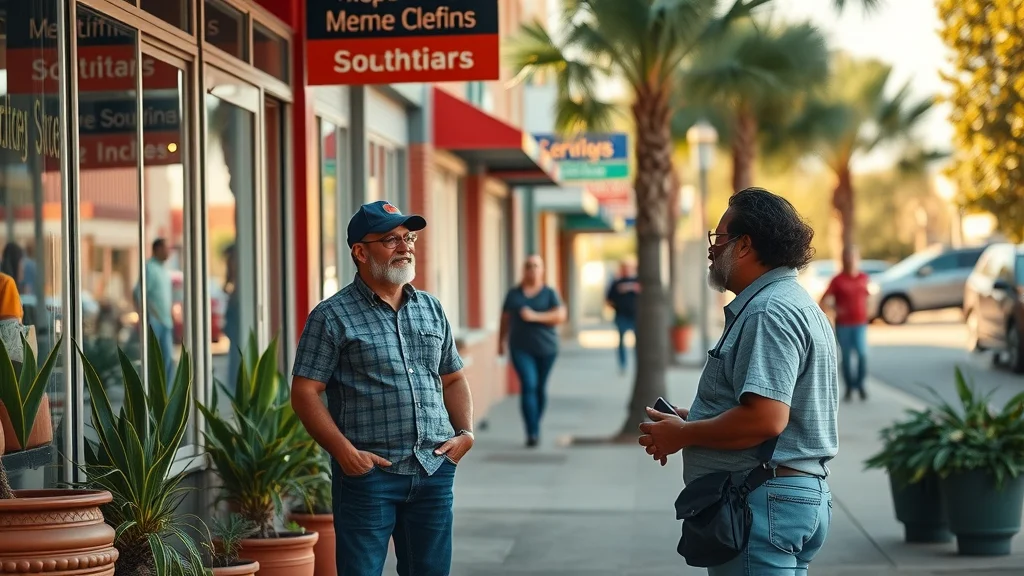
Southern Dallas: The Next Frontier for Dallas Economy Growth
If the Dallas economy is to sustain its robust trajectory, Southern Dallas holds the key. With strategic investments in public transportation, education, and incubation of small businesses, Southern Dallas is gradually overcoming historical inequities. Entrepreneurial energy is visible everywhere—in coffee shops, co-working spaces, and burgeoning tech incubators—showing that inclusion can translate directly into economic opportunity.
Still, the journey is not without challenges. Southern Dallas faces issues such as legacy infrastructure, lower average incomes, and access to capital for minority-owned businesses. A region with such underdeveloped potential requires patient, targeted investment and policies that prioritize local voices. The silver lining: as Southern Dallas rises, so does the long-term economic vibrancy of Dallas County and the greater Dallas region.
Strategic investments in Southern Dallas
Potential for job market expansion
Challenges unique to Southern Dallas
Economic Development Highlights: Success Stories in Southern Dallas
People Also Ask: Key Questions on the Dallas Economy
What is the main economy of Dallas Texas?
Explaining the Dallas Economy's Core Industries and Future Outlook
The Dallas economy is anchored by a blend of industries, including financial services, information technology, real estate, logistics, and healthcare. Each of these sectors contributes significantly to both regional resilience and upward mobility for a broad segment of the population. Tech firms drive innovation, while financial services play a major role in attracting capital and talent. Meanwhile, the city’s legacy in transportation and logistics keeps it central to national commerce. Looking forward, ongoing investments in innovation corridors, educational infrastructure, and sustainability initiatives signal that the Dallas economy will only increase in diversity and strength.

Who is the largest employer in Dallas?
Uncovering the Pillars of Employment in the Dallas Region
Dallas is home to several major employers—including corporate giants, healthcare systems, and educational institutions. Notably, companies such as American Airlines, AT&T, and Baylor Scott & White Health provide thousands of jobs and anchor the broader economic ecosystem. The Dallas Independent School District and other public school networks also count among the top employee providers, illustrating the impact of both the public and private sectors. These pillars not only offer jobs but also foster innovation and continual workforce development in the Dallas area.
Why is Dallas booming?
Analyzing Economic Development Drivers Behind Dallas's Rapid Growth
The boom in Dallas can be attributed to several interconnected drivers. First, the city’s business-friendly policies—including favorable tax rates and robust support for startups—invite new ventures to set up shop. Second, ongoing infrastructure development, such as highway and light rail expansions, bolsters regional mobility. Finally, the region’s affordable cost of living, compared to other major metropolitan areas in North America, lets professionals and families enjoy a high quality of life. Together, these factors stimulate both internal and external migration, feeding the ongoing surge in Dallas’s population and economic vitality.
What salary do you need to live comfortably in Dallas?
Examining Housing Costs and Cost of Living for Residents of Dallas County
To live comfortably in Dallas County, a household should ideally earn at least $65,000–$75,000 annually. This range covers basic needs, moderate discretionary spending, and the ability to save, factoring in local housing costs, transportation, healthcare, and education. As home prices and rents rise, budgeting for real estate becomes increasingly crucial. The good news: compared to locations like Los Angeles or New York, Dallas still offers a more accessible path to homeownership and upward economic mobility for many families.
Expert Opinions & Community Voices on the Dallas Economy
"The vibrancy of the Dallas economy lies in both its adaptability and resilience," asserts a local economic development leader.
Diverse perspectives from business leaders in the Dallas region
Personal stories illustrating economic mobility
Contrasting growth experiences: Fort Worth vs. Dallas County
Business leaders from across the Dallas region emphasize the importance of innovation and adaptability in keeping the Dallas economy resilient. Their stories highlight that growth is not merely about numbers; it is forged through collaboration, investment in education, and support for local entrepreneurs. Residents share tales of economic mobility—some moving from modest beginnings in Bishop Arts or Southern Dallas to prominent roles in finance or technology. These real-life perspectives add depth to understanding why Dallas stands out not just for overall growth, but for inclusive opportunities.
When comparing the development patterns in Dallas County to neighboring Fort Worth, experts often point to differences in housing policies, workforce investments, and the pace of public-private initiatives. Fort Worth retains a strong industrial base and is catching up with Dallas in tech and business services. Dallas County, meanwhile, shows stronger growth in healthcare, education, and headquarters attraction. As these stories and viewpoints combine, they reinforce the notion that the ongoing success of the Dallas economy lies in its ability to lift entire communities.
FAQs About the Dallas Economy
Will the Dallas economy continue to attract major industries?
Yes. Ongoing economic development efforts, a skilled workforce, and a favorable business climate ensure Dallas remains attractive to top companies seeking expansion or relocation in the region.How does the Dallas economy fare against other Texas metro areas?
Compared to cities like Houston and Austin, Dallas holds a competitive edge in both job growth and industrial diversity, while maintaining more accessible housing costs, especially in prime districts like Dallas County.What resources drive economic development in Dallas County?
Key resources include higher education institutions, major transportation hubs, business-friendly policies, and access to a vibrant, diverse workforce—all supporting a dynamic Dallas economy.
Key Takeaways: Is the Dallas Economy Right for You?
The Dallas economy is regionally diversified and rapidly expanding.
Housing costs play a pivotal role in both challenges and opportunities.
The synergy between Dallas, Fort Worth, and Southern Dallas underpins continued growth.
Economic development efforts are creating opportunities across the Dallas region.
Is the Dallas Economy the Growth Engine You Need? Final Thoughts
Ultimately, the Dallas economy offers unique opportunities. Are you ready to tap into them?


Write A Comment