 Add Element
  Add Row

Surprised to hear that Dallas-Fort Worth is home to the largest light rail network in America, even as residents face gridlocked highways every single weekday?
This contradiction sums up the sometimes wild, often rewarding experience of figuring out Dallas transportation.
Untangling Dallas Transportation: A Surprising Challenge
Dallas-Fort Worth boasts the largest light rail network in the country, yet congestion is a daily reality for many residents.
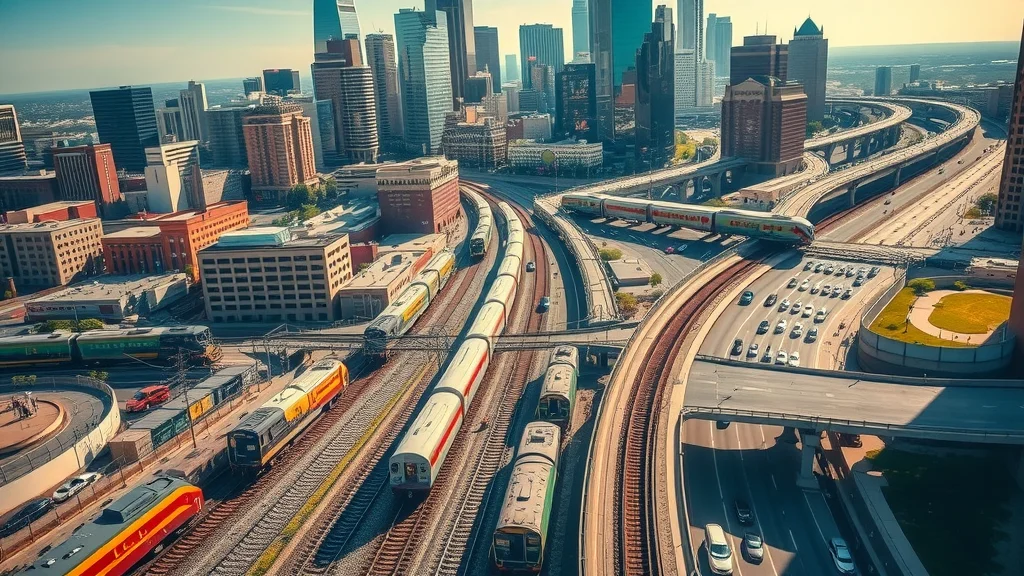
Navigating Dallas transportation can feel like a puzzle, even to seasoned residents. Despite its claim to the nation's biggest light rail system, the city’s sprawl and fast-changing urban core can leave visitors scratching their heads about the best way to get around. On any given day, trains and buses zip by as traffic stacks up on I-35E and the Dallas North Tollway. Throw in the city’s unique mix of modern highways, historic trolleys, and a constant stream of new arrivals from across the country, and you’ve got a transportation landscape that’s part adventure and part ongoing challenge.
During rush hour, the logic behind each transportation option is put to the test. Some travelers swear by the convenience of the DART light rail, while others rely on the bus route network to connect far-flung neighborhoods across North Dallas and Oak Cliff. Still, others cherish the charm of the McKinney Avenue Trolley or the speed of the Trinity Railway Express to Fort Worth. The question isn’t just which ride is fastest — it’s which is right for your day, your destination, and your personal sense of adventure. That’s why understanding — really understanding — Dallas’s public transit is key to feeling like a true local.
What You’ll Learn About Dallas Transportation
Insider tips for mastering Dallas transportation
Overview of light rail, bus routes, and the iconic McKinney Avenue Trolley
Honest takes on paying for public transport in Dallas
Comparisons to transportation options in Fort Worth
Navigating the airport connections within Dallas Fort Worth
The Backbone of Dallas Transportation: Light Rail and Rail Lines
DART Light Rail: Navigating Through Dallas Like a Local
Key DART light rail routes and most popular stops
Pros, cons, and favorite features of the rail system
How rail lines impact daily commutes
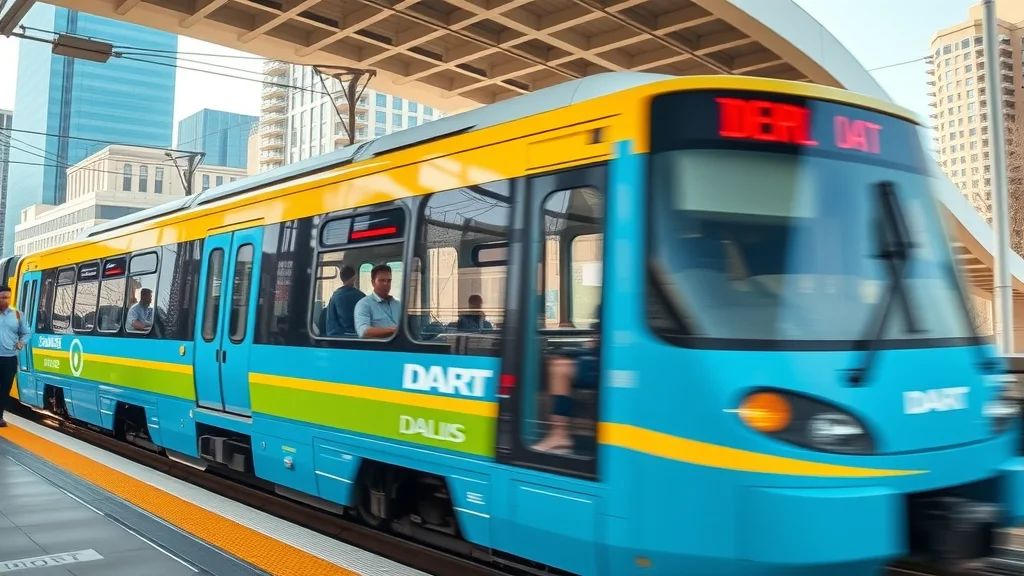
The DART light rail system is the pride of Dallas transportation, connecting Downtown Dallas with neighborhoods from North Dallas all the way out to Oak Cliff and beyond. Four major lines — Red, Blue, Green, and Orange — map out a web of service that locals depend on every day. Major stops like the West End, Union Station, and Cityplace/Uptown put you at the hub of Dallas business, nightlife, and cultural action. Personally, nothing beats the feeling of hopping a clean, on-time train and watching the city’s skyscrapers blur by, especially during the rush of the morning commute.
One downside? During major events or peak hours, trains can get crowded, so it’s smart to plan accordingly and keep your eyes peeled for any DART light rail updates
Trinity Railway Express: Connecting Dallas and Fort Worth
Understanding the Trinity Railway Express schedule
Best uses for the Trinity Railway Express in daily travel
Linking rail lines between Dallas and Fort Worth
When your journey stretches beyond Dallas city limits, the Trinity Railway Express steps in as a reliable connector between Dallas and Fort Worth. Operating Monday through Saturday, this double-decker commuter rail line links Union Station in downtown Dallas with T&P Station in downtown Fort Worth — making stops at key points like the Dallas Fort Worth International Airport and the Bailey Hutchison Convention Center. It’s the quickest public way to travel east-west across North Texas. Whether commuting for work, catching a show in Fort Worth, or heading out for a weekend adventure, the railway express saves time, stress, and parking fees.
What sets the Trinity Railway Express apart is its consistent schedule and comfort — think roomy seats, A/C that actually works in the Texas heat, and even tables for plugging in a laptop. While not as frequent as the DART light rail, its reliability is unmatched, especially for longer commutes. The fare is reasonable compared to parking or ride-shares, and if you catch the earliest train out, you’ll almost always get a seat with a view. For Dallas residents, it’s also a fun way to explore the neighboring city without worrying about rush-hour traffic on I-30.
If you're interested in how Dallas continues to improve its transit infrastructure, the recent opening of the new Greyhound and Flix Bus terminal marks a significant leap in transportation efficiency, offering even more options for intercity travel and seamless connections for local commuters.
Comparison of Dallas Light Rail vs. Trinity Railway Express |
||
Feature |
DART Light Rail |
Trinity Railway Express |
|---|---|---|
Pros |
Frequent service, extensive coverage in Dallas, connects with bus routes and trolleys |
Connects Dallas and Fort Worth, comfortable seating, ideal for longer trips, direct airport access |
Cons |
Can be crowded during rush hour, less frequent late at night |
Fewer trips per day, limited weekend service |
Fares |
Single ride: $2.50; Day Pass: $6 |
Varies by zone; Local: $2.50; Regional/Day Pass: $12 |
Coverage |
Within Dallas & suburbs |
Dallas <-> Fort Worth corridor & select stops, connects at DFW Airport; links major stations |
Exploring the Dallas Streetcar and McKinney Avenue Trolley
Dallas Streetcar: The Convenient Urban Short Hop
Where the Dallas streetcar goes and when to use it
Personal experiences riding the streetcar
For quick trips through artsy neighborhoods and lively urban pockets, the Dallas streetcar is hard to beat. It currently connects Downtown Dallas near Union Station to the trendy Oak Cliff Bishop Arts District, running at regular intervals with modern, air-conditioned vehicles. I especially love taking it on weekends to explore the galleries and coffee shops in Oak Cliff. Not only is the ride smooth, but it also drops you off right where you want to be, whether it’s shopping, brunch, or the next outdoor festival.
The best part? The Dallas streetcar is often free, removing the headache of payment and allowing for spontaneous exploration of the city’s most colorful areas
McKinney Avenue Trolley: Vintage Charm Meets Modern Commutes
McKinney Avenue trolley highlights
Free versus paid rides: What to expect
How it integrates with the larger Dallas transportation network
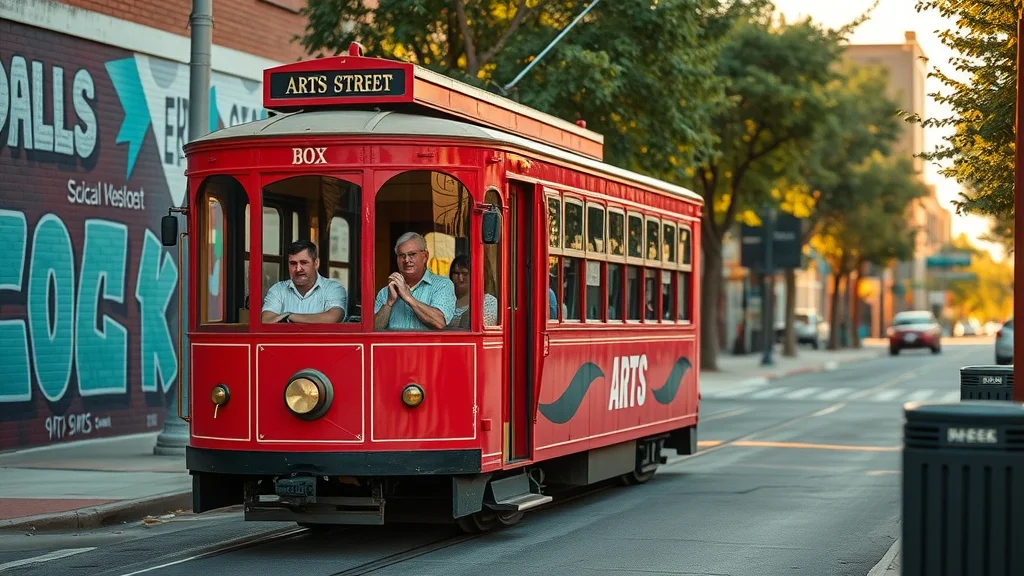
The McKinney Avenue Trolley (more fondly referred to as the M-Line) adds a layer of vintage style to the everyday commute. These restored, wood-paneled streetcars glide from Uptown’s bars and boutiques to the Dallas Arts District and back. Riders can hop on for free, making it the only mode in Dallas transportation where you travel in throwback style at no cost. It’s the best way to see the heart of Dallas from a unique perspective, blending old-school transit with new school city living.
Whether you’re heading to a theater show, browsing the Arts District, or grabbing lunch near McKinney Avenue, this trolley offers convenient connections to DART light rail stops and nearby bus routes. Timetables can be unpredictable if there’s heavy traffic on the streets, but as a local, I’ve found the wait never feels too long — especially when you’re enjoying the sights and sounds of McKinney Ave. If you’re new to town, riding the M-Line should be at the top of your “Dallas musts.”
Efficient Bus Routes for Daring Dallas Commuters
Top bus routes and their reliability
Experiences using Dallas’s pivotal bus route links
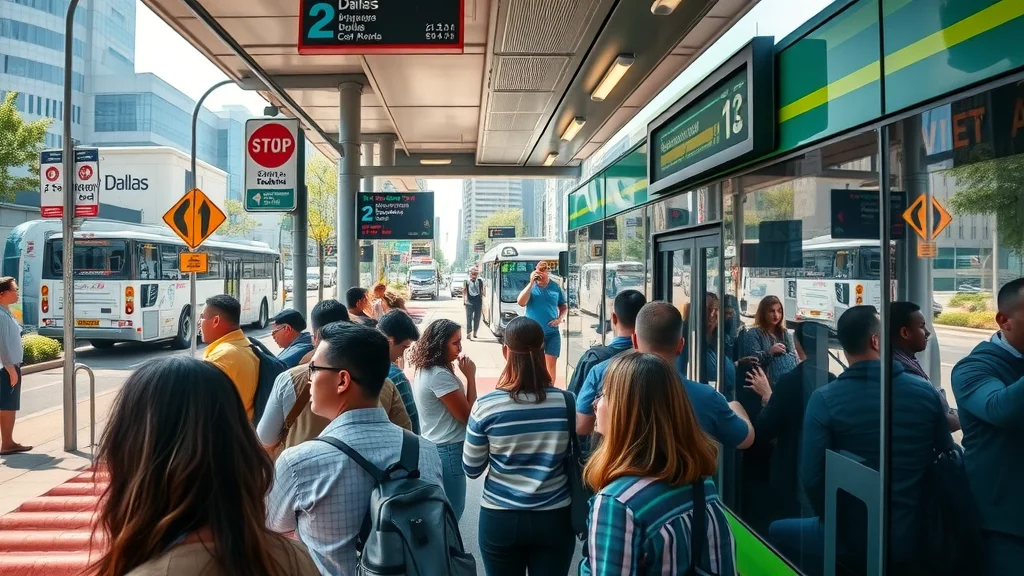
The humble bus route is the unsung hero of Dallas transportation. Covering almost every corner of the city, DART’s buses connect where light rail and streetcars can’t reach, servicing everything from bustling North Dallas business districts to the shopping corridors of Oak Cliff. Key lines like the 003, 008, and 031 are known for their punctuality and serve as vital links for morning and evening commuters.
Personally, my first commute in Dallas was on a city bus, and it taught me an invaluable lesson about flexibility and patience. While service is generally reliable, traffic and weather can always bring delays. Still, the bus system’s real value is its reach — neighborhoods without a rail line or trolley option can count on buses for daily errands, work commutes, or late-night rides home after an event downtown. Using the DART GoPass app is a huge help for live tracking, schedule changes, and last-minute service alerts.
Dallas Fort Worth International Airport: Gateway to the Metroplex
Transit connections to Dallas Fort Worth International Airport
Choosing between taxi, rail line, and bus route for airport access
How Fort Worth International Airport facilities compare
No guide to Dallas transportation is complete without tackling airport connections, especially with Dallas Fort Worth International Airport (DFW) and Fort Worth International Airport among the country's busiest. DFW is accessible via the DART light rail Orange Line, the Trinity Railway Express, frequent bus routes, and a well-managed taxi and ride-share system. The added benefit here is convenience: you can get from a downtown office or hotel to your departure terminal without ever needing a car.
For travelers comparing DFW to Fort Worth International Airport, facilities at both are modern, with DFW having a slight edge for dining and lounge options — but both airports score high for service alerts, security, and ease of navigation. Personally, I recommend the rail line over taxis for budget-conscious travelers; it eliminates parking headaches, reduces stress during busy travel days, and often proves faster during rush hour due to dedicated tracks.

Insider Tips: Paying for Public Transport in Dallas
Current payment methods: contactless, cash, and apps
Opportunities for discounts and free transit rides (including student & senior passes)
Dallas has made huge strides in convenience when it comes to paying for city transit. Commuters can use the DART GoPass app to pay fares for light rail, bus, streetcar, and even the Trinity Railway Express, all from their phones. Contactless payment by card or smartphone is accepted on most rail lines and buses, making tap-and-go travel smooth. Of course, old-school cash is also always an option, and ticket vending machines are found at major light rail stations.
Locals know about great deals for students and seniors — discounted monthly passes, day passes, and even free trips for eligible groups. For instance, K-12 students and college riders can get reduced fares, and seniors over 65 ride at a discount. If you’re visiting during a city festival or big event, keep an eye out for advertised free transit days, special offers, and updated fare-free zones (often posted via service alerts). Always check before you ride to avoid overpaying!
People Also Ask: Navigating Dallas Transportation
What is the cheapest way to get around Dallas?
The cheapest ways to get around Dallas are by using the DART buses, Dallas streetcar (in its fare-free zone), and the McKinney Avenue Trolley, which is always free. For long-distance or cross-town routes, a DART day pass (currently $6) covers buses, light rail, and streetcars all day. If your destination is along one of the streetcar or trolley lines, you can often ride for free or at a steep discount, especially during special events or with student/senior fare options.
Is DART free in Dallas?
DART is not usually free in Dallas, except during special citywide events or designated zones known as “fare-free” areas. Regular fares apply for light rail and most bus routes, but publicized discount periods or partnership promotions sometimes offer complimentary rides. Always check the DART website or GoPass app for service alerts or special offers before boarding to get the latest updates.
Is the downtown Dallas trolley free?
Yes, the McKinney Avenue Trolley (M-Line) is completely free for all riders. It’s one of the best deals in Dallas, running daily through Downtown Dallas, Uptown, and the Arts District. No fare or ticket required — simply board at any stop and enjoy the ride.
How to pay for public transport in Dallas, Texas?
You can pay for Dallas public transportation with cash, credit or debit cards, or mobile devices using the DART GoPass app. Most major stops and trains also have ticket machines. For bus routes and trolleys, payment is fast with tap cards or by paying the driver directly (exact cash only). Be sure to check eligibility for discounted fares if you’re a student, senior, or member of an approved program.
Choose the GoPass app or cards for easiest, fastest payment
Look for fare specials on festival days and city-sponsored events
Use trolleys and the Dallas streetcar for completely free rides in selected areas
Plan ahead to use day passes for unlimited rides on DART light rail, bus, and more
Key Takeaways for Navigating Dallas Transportation
Expert tips for navigating Dallas transportation efficiently
Comparison of Dallas’s rail system, bus route options, and trolleys
Personal recommendations for new arrivals and travelers
New to Dallas? Start with the DART light rail for cross-town travel, then supplement with buses for local commutes
Frequently Asked Questions About Dallas Transportation
Best time to travel on the DART light rail system: Early mornings (before 8am) and mid-afternoons are least crowded. Avoid peak weekday rush (7–9am; 4–7pm).
Do’s and don’ts when using the Trinity Railway Express: Do buy your ticket before boarding, arrive early, and listen for announcements. Don’t block doors or bring large, uncollapsed strollers.
Tips for connecting between Dallas transportation modes: Use stations like Union Station and Cityplace/Uptown for easy transitions between light rail, bus routes, and trolleys. Plan transfers with the help of the GoPass app for live updates.
Final Thoughts: Embracing the Wild Ride of Dallas Transportation
Public transit in Dallas isn’t perfect, but with a bit of local savvy, even newcomers can feel like seasoned commuters.
Whether you’re a tourist or a long-term resident, learning the quirks of Dallas transportation is a gateway to more affordable, enjoyable city living. Try the bus route, catch the light rail, and always keep an eye on your GoPass app!
Ready to master Dallas transportation? Sign up for local transit alerts and never miss a ride!
If you’re eager to see how transportation developments are shaping the broader Dallas area, don’t miss our coverage of the Lakesong community’s impact on Dallas real estate. Explore how new neighborhoods and infrastructure projects are influencing transit options, city growth, and the future of getting around North Texas. Whether you’re planning a move, investing, or simply want to stay ahead of the curve, this deep dive offers valuable context and next-level insight for Dallas residents and newcomers alike.
To further expand your understanding of Dallas transportation, check out Living in Dallas: What to Know Before You Move. This comprehensive guide offers unique insights into the city’s neighborhoods, transit options, and tips for newcomers, helping you navigate both daily commutes and long-term relocation plans. If you’re serious about mastering Dallas transportation, these resources will give you insider guidance and practical advice to move around the city like a true local.


Write A Comment