

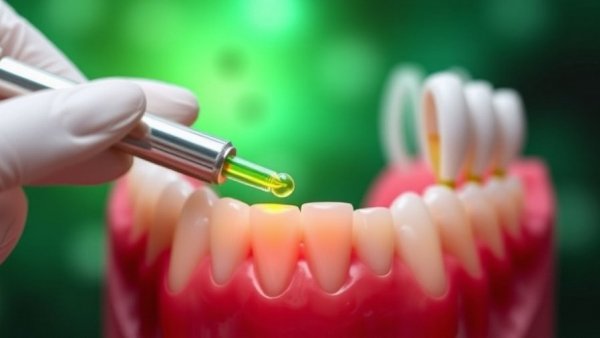
The Surge of Innovative Treatments for Gum Disease
In recent years, the spotlight has been on breakthroughs in medical science, particularly those addressing chronic conditions like gum disease. Researchers at Nagoya University in Japan are at the forefront of this movement, having developed a new treatment that intelligent methods to target harmful bacteria while preserving the beneficial ones. The technology could transform how we approach periodontitis, reducing the risks associated with existing treatments that often fail to discriminate between good and bad bacteria.
Understanding the Importance of Bacterial Balance
The human mouth houses a myriad of microorganisms, each contributing to oral health in intricate ways. An imbalance often leads to health concerns, particularly the proliferation of harmful bacteria such as Porphyromonas gingivalis. This particular strain not only causes inflammation but plays a central role in the destruction of the supportive bone structures around teeth. Traditional treatments, including antibiotics, tend to indiscriminately wipe out both harmful and helpful bacteria, compromising the mouth's microbial ecosystem.
Moving Beyond Conventional Treatments: The Nagoya Approach
Instead of toying with the precarious balance of oral bacteria, the new treatment utilizes a combination of egg yolk antibodies and near-infrared light to specifically target **P. gingivalis**. Researchers have tapped into an existing cancer treatment technology—near-infrared photoimmunotherapy—to craft this innovative solution. By linking antibodies derived from specially immunized hens to a light-sensitive dye, the process identifies and neutralizes the harmful bacterial strain effectively.
Benefits of the New Treatment and its Future Potential
One of the significant advantages of this new approach is its focus on maintaining a healthy oral ecosystem. Early experiments in laboratory settings showed promising results, significantly reducing bone loss in mice models suffering from gum disease. Importantly, it ensures the preservation of beneficial microbes, which are essential to keeping the mouth's biome in balance. The implications of this development extend beyond simple gum health; it opens avenues for new therapeutic strategies in various chronic diseases linked to bacterial imbalances.
Real-World Applications and Accessibility
The practicality of this treatment cannot be understated. The use of egg yolk antibodies (IgY) for large-scale production means it could potentially be an affordable solution. This aspect is particularly critical in our current healthcare landscape, where accessibility to advanced treatments remains a challenge. As the research progresses, there may soon be an opportunity for widespread implementation, allowing many to benefit from a method that addresses the root bacterial causes of periodontal disease without the negative effects associated with traditional antibiotic therapies.
Looking Ahead: What This Means for Dental Health
As this research develops, it invites the question: are we on the cusp of a new era in dental health? Reflecting on current trends in personalized medicine, targeted treatments like those developed at Nagoya University could signify a fundamental shift in how we care for our teeth and gums. Not only could this lead to lower incidences of tooth loss, but it also reinforces the need for maintaining a balanced oral microbiome as a cornerstone of health.
In conclusion, the innovation coming from Nagoya University is a beacon of hope in the dental world, with implications that go far beyond the clinic. As more research surfaces and clinical trials take shape, we may very well witness a paradigm shift in periodontal treatments that not only preserve but enhance our health. Stay tuned as this exciting field unfolds, and consider how these advancements could impact your oral health practices in the future.




Write A Comment