
Did you know? Dallas is one of the fastest-growing cities in the United States, with its population and influence expanding by leaps and bounds every year. But this vibrant city’s story starts long before skyscrapers dotted its skyline—in 1841, on the edge of the Texas frontier. Discover how a city built along the Trinity River, shaped by innovation, resilience, and diverse cultures, transformed into a powerhouse that continues to attract dreamers and doers from around the world. The history of Dallas Texas isn’t just about where it’s been; it’s about what it still has yet to become.
Unveiling the History of Dallas Texas: A Journey Through Time
- Start with an eye-opening fact: Dallas is one of the fastest-growing cities in the U.S., with roots dating back to 1841, and a legacy shaped by innovation, resilience, and diverse cultures.
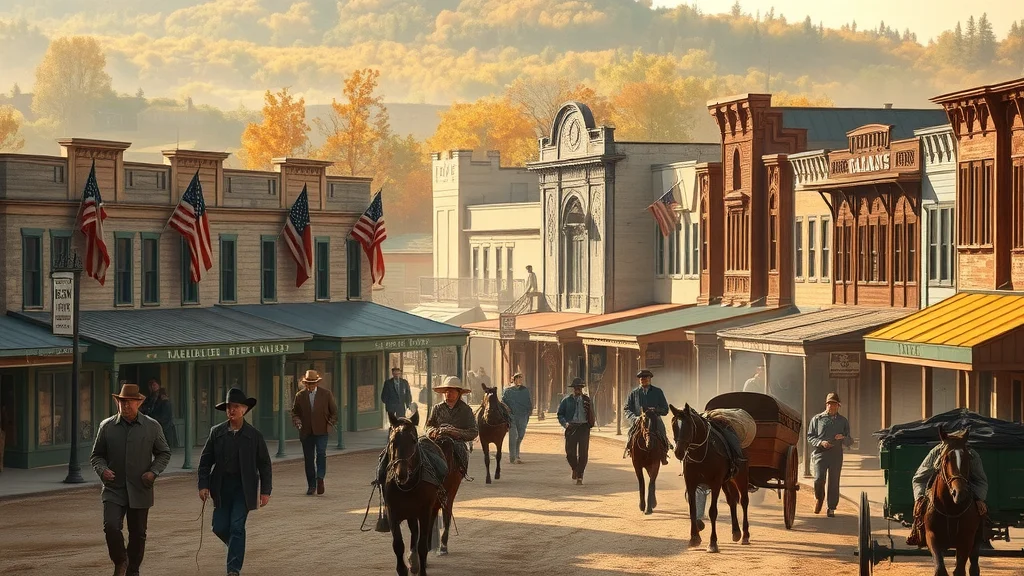
The story of Dallas is a remarkable tale of transformation. As a once-remote outpost on the wild Texas prairie, Dallas has grown into a bustling metropolis covering more than 340 square miles. Its evolution reveals not only the ambitions of early pioneers but also a tapestry of innovations, struggles, and contributions by diverse communities. From humble beginnings along the Trinity River to the centennial celebrations at Fair Park and the modern city’s glimmering skyline, the history of Dallas Texas is a living chronicle of opportunity and change.
Today, Dallas stands as a symbol of progress, yet its legacy is rooted in stories rarely told. Its timeline is filled with surprising facts, from an obscure city name origin to influential ties with both cotton and oil industries that shaped the economic heart of the region. Whether you’re a student, a new resident, or a curious traveler, unlocking these secrets gives you a richer understanding of what makes Dallas unique—and why it remains a beacon for innovation and cultural vitality in North Texas and the United States at large.
What You'll Learn About the History of Dallas Texas
- Timeline of Dallas’ development
- How the Trinity River, Fair Park, and pivotal moments shaped its identity
- Surprising facts and overlooked chapters
- Answers to top questions about the history of Dallas Texas, its culture, and neighborhoods
Setting the Scene: Dallas Texas Before the City
Early Inhabitants and the Role of the Trinity River in the History of Dallas Texas
- Native American settlements and early explorers
- Trinity River’s influence on settlement and commerce
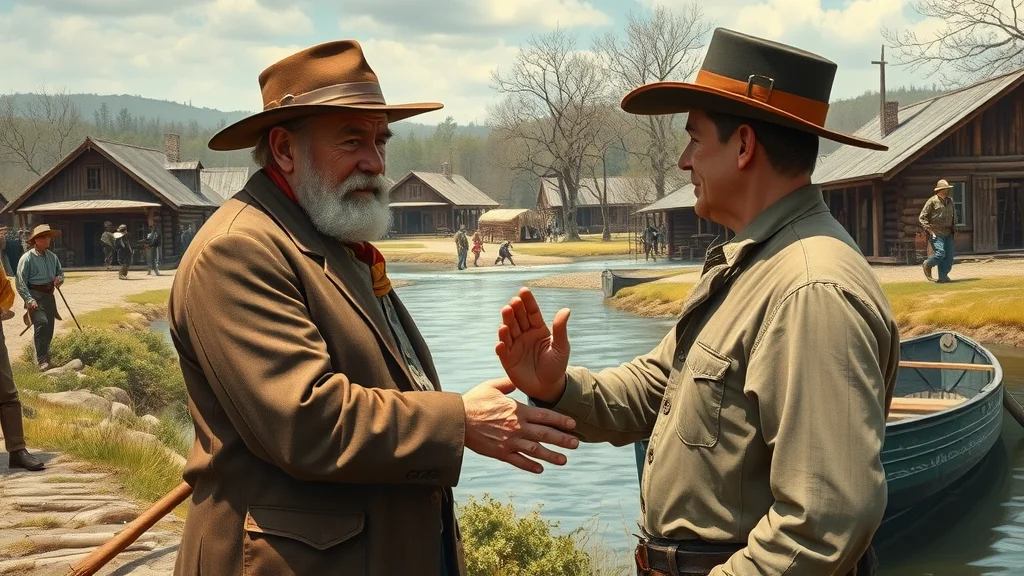
Long before Dallas county was established, the broad, winding Trinity River shaped the land that would become Dallas. Indigenous peoples, such as the Caddo and other Native American groups, set up settlements along these fertile banks, relying on the river not just for water, but as a lifeline connecting them to other communities across what is now East Texas and the wider United States. The rich floodplain provided abundant resources for hunting, fishing, and agriculture, while the river’s path offered a natural highway for trade and migration.
When the first European and American explorers arrived in the region, they recognized the strategic significance of the Trinity River. Its unique bend near present-day Downtown Dallas was ideal for crossing and commerce. The river soon anchored early trading posts and supply routes, laying the groundwork for what would become a dynamic commercial center. Over the years, the river’s challenges—including periodic floods—would spur remarkable feats of urban planning and innovation, establishing the history of Dallas Texas as a story of both natural bounty and human resilience.
From Settlement to City: The Birth of Dallas Texas
1841: Founding Dallas – The John Neely Bryan Story and the History of Dallas Texas
- Land grants, trading posts, and early community life
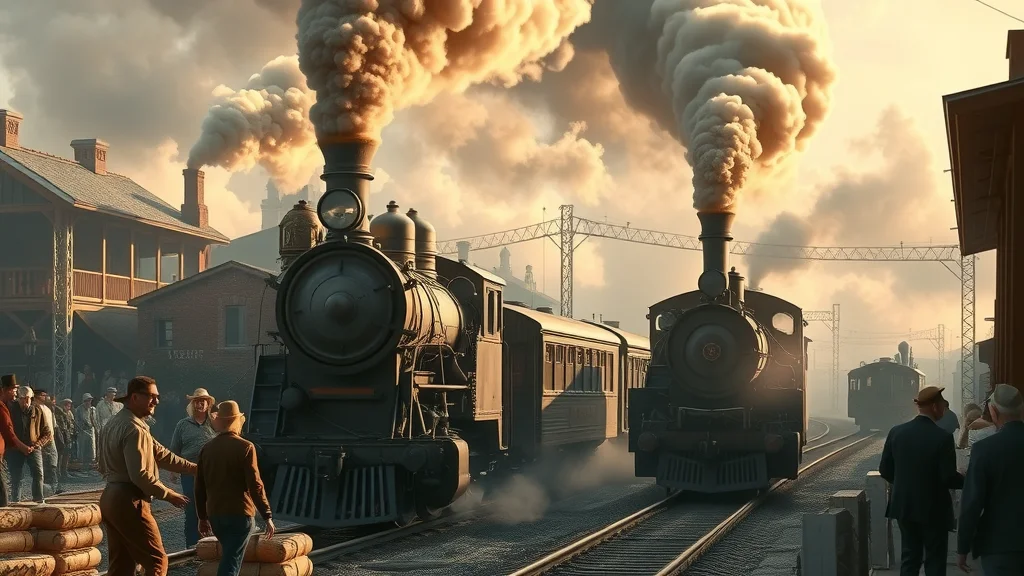
In 1841, a Tennessee lawyer named John Neely Bryan staked his claim on the east bank of the Trinity River, envisioning a community where settlers and Native Americans could trade and prosper together. The site, now near present-day Dealey Plaza, was chosen for its accessibility and proximity to a frequently used river ford. Bryan established the first trading post and, soon after, drew up a grid plan for the small settlement that would eventually become the city of Dallas.
The settlement quickly grew as newcomers arrived, seeking land and opportunity under the nascent Republic of Texas’s land grant incentives. Early residents constructed log cabins, opened mercantile stores, and founded the first civic organizations. As Dallas gained recognition, it became the seat of Dallas County in 1850—solidifying its role as the hub of North Texas. The city’s early years were characterized by both boom times and setbacks, but the community’s spirit, forged in these frontier days, would set the tone for the city’s future expansion and transformation.
Growth Spurts: Railroads, Industry, and the Shaping of Dallas
Railroads: The Engine Behind Dallas Texas’ Expansion
- Cotton, oil, and economic transformation
- Expansion of banking and infrastructure
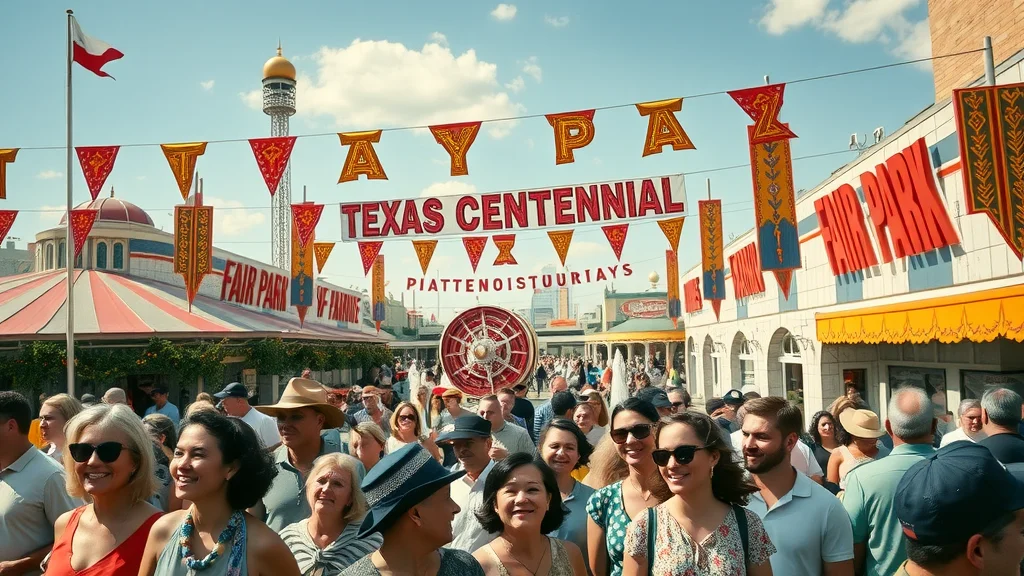
The arrival of the railroads in 1873 was a turning point for the history of Dallas Texas. Suddenly, the city found itself at the crossroads of major east-west and north-south routes, connecting it to Fort Worth, Houston, and distant U.S. cities. This confluence of rail lines turned Dallas into a boomtown almost overnight, spurring rapid population growth, commercial construction, and technological advancements.
Cotton was king, with Dallas leading the nation in cotton trading by 1900, followed closely by oil discoveries that brought new wealth and notoriety to the city. Expanding industries, including banking and insurance, drew skilled workers and ambitious entrepreneurs. Skyscrapers began to climb above Main Street, and new neighborhoods, such as East Dallas and Oak Cliff, took shape. What started as a settlement grew into a prosperous epicenter—by the turn of the century, Dallas was well on its way to becoming one of the most influential cities in the United States.
A City in the Spotlight: Fair Park, the Trinity River, and Civic Identity
Fair Park: Home of the Texas Centennial and a Vital Landmark in the History of Dallas Texas
- 1936 Centennial Exposition and cultural impact
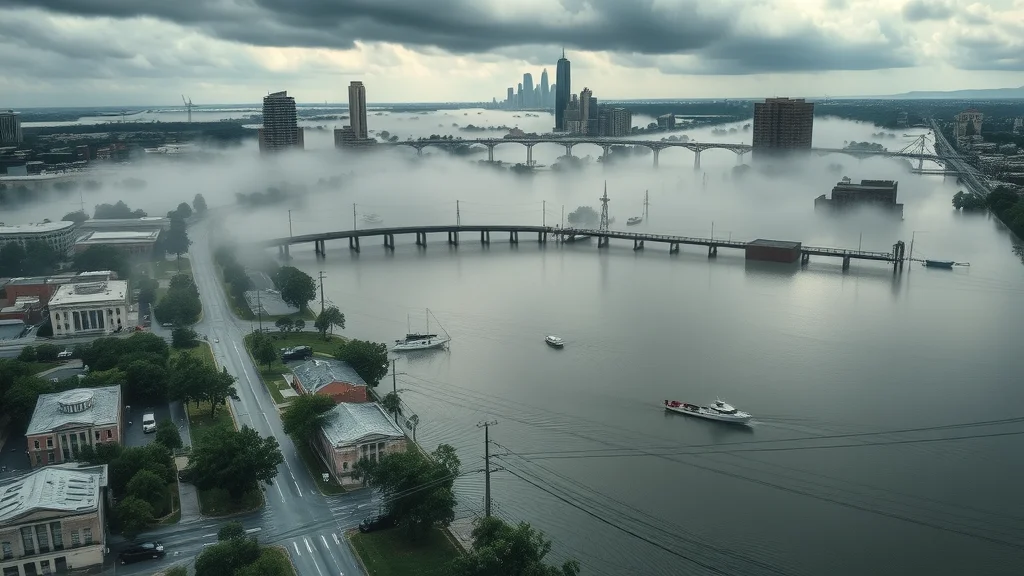
No landmark captures the essence of Dallas’ civic pride quite like Fair Park. Established in the late 19th century, Fair Park’s crowning moment came in 1936, when it hosted the Texas Centennial Exposition—a world-class celebration marking 100 years since Texas’ independence. The exposition drew millions to Dallas, introducing iconic art deco architecture, including the Hall of State and the Cotton Bowl, which remain centerpieces of the park to this day.
The centennial transformed Fair Park into a cultural and entertainment hub, putting Dallas on the national stage and signaling its arrival as a leading city in the United States. Over the decades, Fair Park has housed everything from the State Fair of Texas to world-class museums, theaters, and the Meyerson Symphony Center. The park’s ongoing legacy continues to shape city identity, reflecting Dallas’ enduring commitment to both progress and the preservation of its historic roots.
Trinity River: Flood, Innovation, and the Evolution of Urban Landscape
- Flood control and urban planning
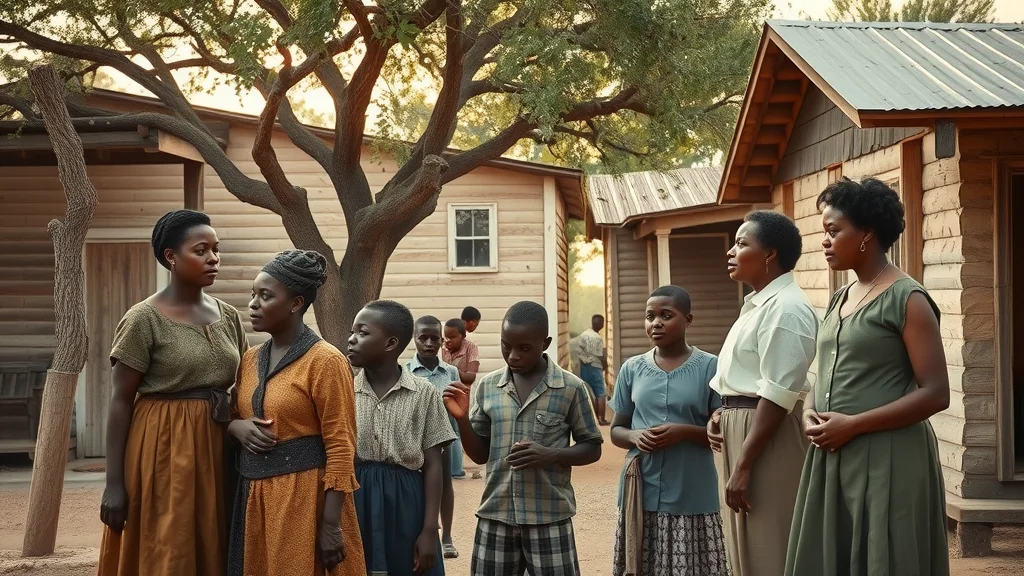
The Trinity River has been both a blessing and a challenge throughout the history of Dallas Texas. While its gentle curves enabled commerce and supported settlement, periodic floods threatened the city’s survival and spurred a series of bold urban innovations. Notably, devastating floods in the early 20th century led to the construction of ambitious levee systems, the establishment of floodplains, and eventually the creation of recreational green space within the urban core.
In recent decades, initiatives like the Trinity River Corridor Project have worked to revitalize the area, transforming neglected land into vibrant parks and trails. This push for urban renewal underscores how the river’s influence continues to shape the city’s evolving landscape, balancing the needs of flood control with dreams of building a more liveable, sustainable Dallas for future generations.
Challenges and Change: Segregation, Civil Rights, and Dallas Texas
Segregation and the Question: Was There Slavery in the History of Dallas Texas?
- Slavery, emancipation, and legacy of racial divides
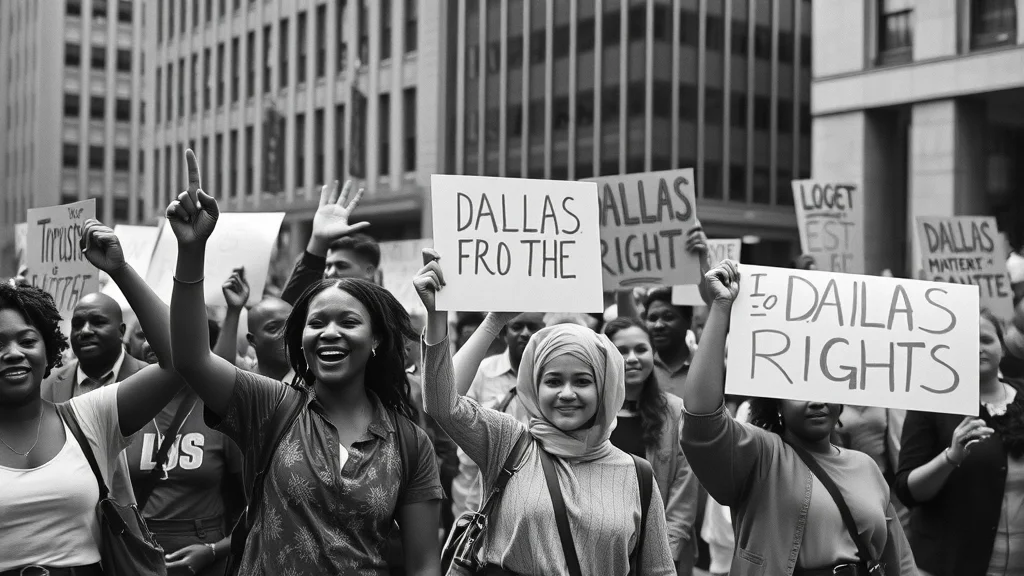
Like much of East Texas, early Dallas society was built on the labor of enslaved African Americans. As the city grew, the institution of slavery became deeply woven into economic and social life until emancipation arrived in 1865, following the end of the Civil War. Despite newfound freedom, Dallas’ Black residents faced daunting challenges—segregation laws, disenfranchisement, and limited opportunities—yet they played a critical role in shaping the city’s culture and character.
Neighborhoods such as Deep Ellum, an early hub for African American arts and business, emerged as both sanctuaries and engines for creativity and progress. Over time, the legacy of segregation left a complex and lasting imprint on the city, impacting everything from housing patterns to access to education. The resilience of Dallas’ African American communities, however, is a testament to the city’s ability to adapt, persevere, and strive for a more equitable future.
The Civil Rights Era and Changing Social Landscape
- Landmark protests, community leaders, and desegregation
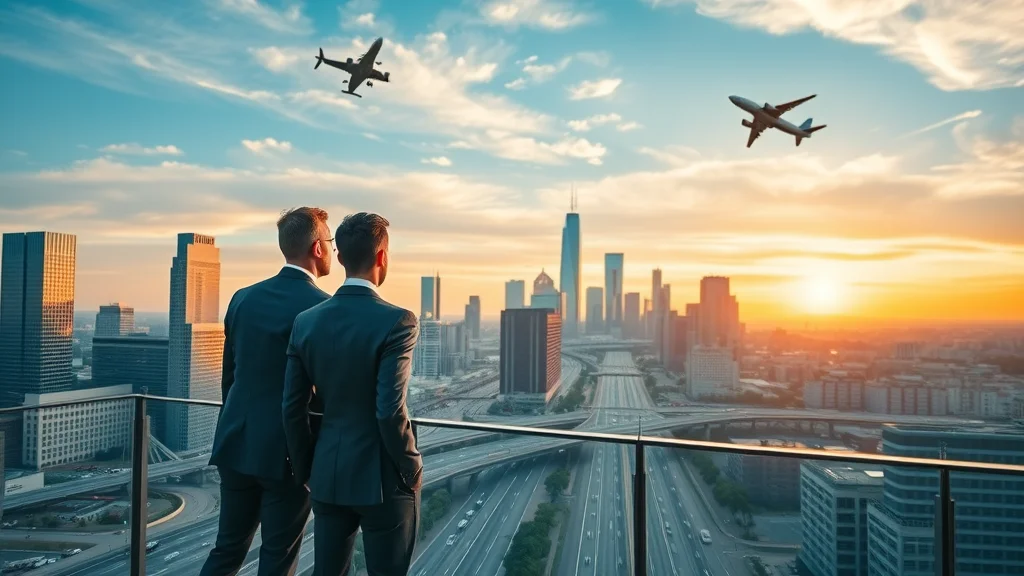
The Civil Rights Movement of the 1950s and 1960s marked a pivotal moment in the history of Dallas Texas. Civil rights leaders, activists, and ordinary residents came together to confront institutional segregation in schools, public spaces, housing, and employment. Landmark protests, such as sit-ins at lunch counters and peaceful marches through downtown Dallas, captured national attention and pressed the case for equality and justice.
These efforts led to the gradual desegregation of Dallas’ schools and businesses, paving the way for greater diversity and inclusion citywide. Emerging alongside these political gains was an explosion of arts and culture, enriching neighborhoods like Oak Cliff and transforming Dallas into a model for reconciliation and renewal. The legacy of these movements endures, inspiring ongoing efforts to build a more just and thriving city for every resident.
Modern Marvels and the History of Dallas Texas: Urban Growth and Cultural Renaissance
Postwar Boom: Business, Aviation, and the Rise of Dallas’ Skyline
- Technology, aviation industry, and city identity
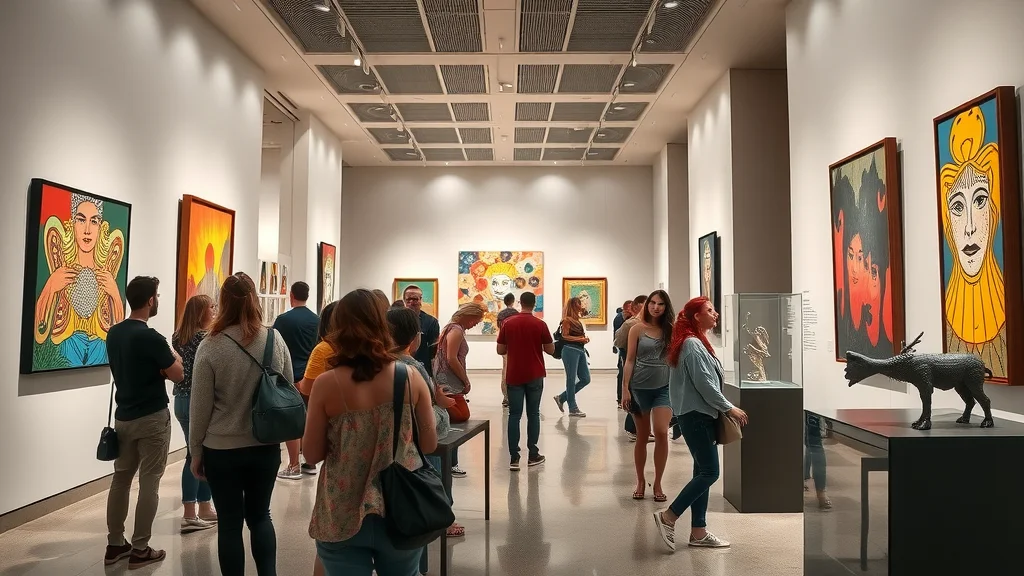
After World War II, Dallas entered an era of extraordinary growth, fueled by its emergence as a center for finance, technology, and transportation. The city’s landscape began to change dramatically as glass and steel high-rises soared, highways multiplied, and the aviation industry took off. Key developments included the construction of Love Field and, later, the Dallas/Fort Worth International Airport—now one of the busiest air travel hubs in the world.
Major corporations headquartered in Dallas drove innovation, while institutions like Southern Methodist University and the Meyerson Symphony Center cemented the city’s reputation in education and the arts. By the early 21st century, Dallas not only ranked as one of the most populous cities in the nation but also as a beacon for business, creativity, and international connection.
Cultural Hubs: Art, Architecture, and Fair Park’s Ongoing Legacy
- Museums, theaters, and preservation of historic sites
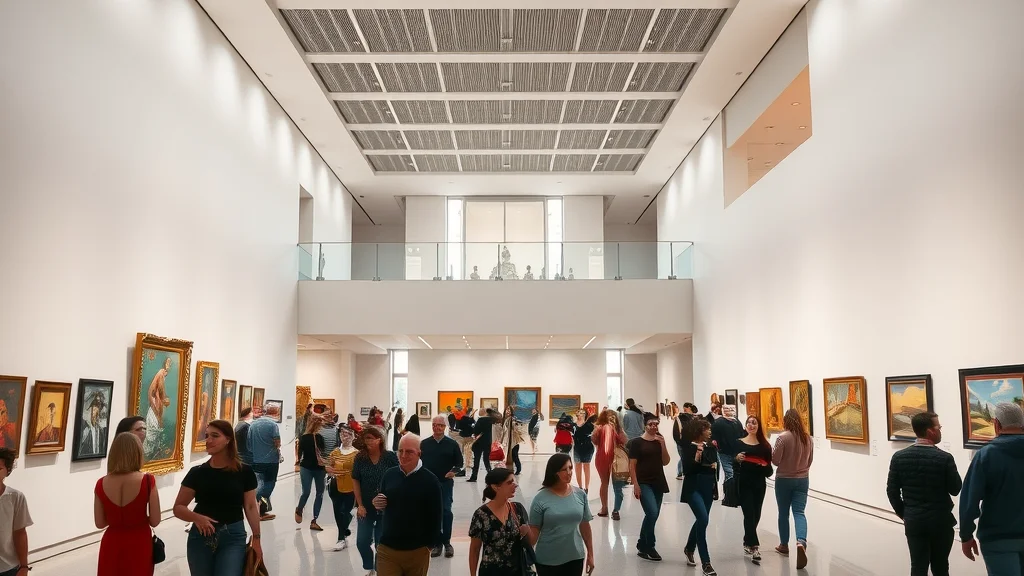
The rich artistic and architectural landscape of Dallas reflects its cosmopolitan spirit. The renowned Arts District in downtown Dallas is home to museums, theaters, and revered institutions like the Dallas Museum of Art and the Meyerson Symphony Center. These cultural hubs celebrate the city’s commitment to both creative expression and historic preservation.
Meanwhile, Fair Park continues to play a critical role, hosting the annual State Fair of Texas and housing unique exhibits, including the world’s largest permanent model train exhibit. Restoration efforts at Fair Park and in historic neighborhoods honor Dallas’ past while laying the foundation for its future as a diverse, dynamic metropolis with the arts at its core.
- Short documentary overviewing major events, with archival footage of the Trinity River and Fair Park
Video montage: Dynamic transitions between an animated Dallas timeline, archival photos of the Trinity River and Fair Park, live-action recreations of pivotal moments, and narrated highlights with kinetic text and cinematic music.
Lists: 5 Surprising Facts About the History of Dallas Texas
- Dallas was not founded near a major body of water, unlike most large cities.
- The city’s name origin remains a mystery to this day.
- Dallas led the nation in cotton trading by 1900.
- The city held the largest Centennial celebration at Fair Park in 1936.
- Dallas is home to the world’s largest permanent model train exhibit.
Tables: Timeline of Key Moments in the History of Dallas Texas
| Year | Event | Impact |
|---|---|---|
| 1841 | John Neely Bryan establishes settlement | Foundation of Dallas |
| 1873 | Railroads converge in Dallas | Spurs rapid growth |
| 1936 | Texas Centennial at Fair Park | Major cultural exposition |
| 1963 | Assassination of JFK | Global attention |
| 2000s | Trinity River revitalization | Urban transformation |
Quotes: Perspectives on the History of Dallas Texas
"Dallas has always thrived on reinvention, embracing newcomers and new ideas." – Dallas historian
"The story of Dallas is the story of resilient people adapting to their environment and making opportunity flourish." – Civic leader
People Also Ask: History of Dallas Texas
What are 5 facts about Dallas?
- Dallas was established in 1841 by John Neely Bryan, its name origin is still debated, it led the nation in cotton trading, hosted the biggest Texas Centennial at Fair Park, and holds the record for the largest permanent model train exhibit. Each of these highlights reflects chapters that make the history of Dallas Texas both unique and influential.
Was there slavery in Dallas?
- Yes, slavery was part of Dallas’ early identity, with enslaved African Americans shaping both its labor force and culture. After emancipation, the city saw communities of freedmen develop resilient neighborhoods, but the legacies of segregation and inequality persisted well into the 20th century and continue to inform Dallas’ story today.
Why is Dallas, Texas so famous?
- Dallas is renowned for its economic might, dynamic technology, and cultural landmarks such as Fair Park. It remains nationally significant for key historical events—including President John F. Kennedy’s assassination at Dealey Plaza—and continues to be a magnet for major industries, arts, sports, and global travelers.
What part of Dallas to stay away from?
- Historically, certain neighborhoods faced challenges due to poverty, segregation, or crime—like parts of South Dallas and formerly neglected industrial districts. However, with urban renewal and investment, many areas are experiencing transformation. Context and current trends matter, so travelers should check recent updates before visiting.
FAQs: All the Essentials on the History of Dallas Texas
-
When was Dallas founded and why?
Dallas was officially founded in 1841, when John Neely Bryan established a settlement along the Trinity River to create a trading crossroads. The site was chosen for its strategic location and promise of prosperity on the Texas frontier. -
How did the Trinity River shape Dallas' growth?
The Trinity River provided early settlers with water, fertile land, and a vital transport route. It later posed major flooding threats, leading to dramatic urban engineering projects that reshaped the city’s layout and recreational spaces. -
What role did Fair Park play in Dallas history?
Fair Park has served as Dallas’ cultural heart—hosting the legendary Texas Centennial, State Fair of Texas, and preserving historical art deco landmarks that symbolize the city’s civic pride and aspirations. -
How is Dallas’ legacy preserved today?
Dallas maintains its legacy through historic districts like West End, museums in the Arts District, and ongoing conservation at Fair Park. Educational programs, city initiatives, and vibrant communities ensure the city’s diverse history is honored and shared.
- Aerial views of historic neighborhoods, the Trinity River, and Fair Park with narrators detailing transformation.
Key Takeaways: Understanding the History of Dallas Texas
- Dallas’ evolution mirrors major trends in American history, from frontier town to cultural and economic powerhouse.
- The interplay between innovation, geography (like the Trinity River), and people continues to shape Dallas’ future.
Discover More Resources on the History of Dallas Texas
- Continue your journey: Explore in-depth guides, documentaries, and curated museum collections on Dallas’ dynamic past.
Dallas’s past is full of inspiration, challenges, and innovation—explore it and unlock the future!


Write A Comment