

The Impact of Coaching Changes on College Sports
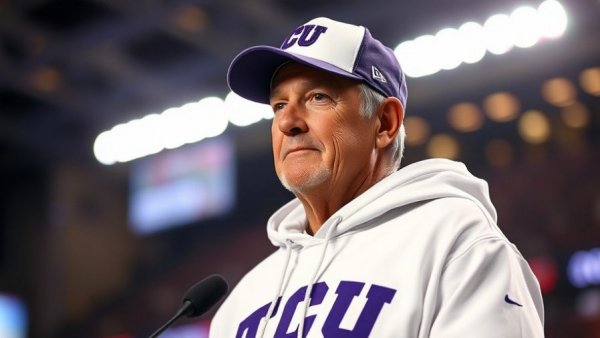
In the world of college football, few events draw as much attention and speculation as the firing of a head coach. At TCU, this has recently been front and center with the announcement regarding Sonny Dykes. Athletic Director Mike Buddy described the transition as necessary for the future of the TCU football program, emphasizing the importance of a results-driven approach in college athletics.
In TCU Athletics Press Conference after Sonny Dykes firing, the discussion dives into the coaching changes in college football, exploring key insights that sparked deeper analysis on our end.
A Shift in Direction at TCU
During the press conference, Buddy acknowledged the hard work Dykes invested in the program, leading the team to a national championship game just a year prior. However, he maintained that ongoing performances led to the decision for a change, outlining that the trajectory of the program had not aligned with expectations. "This has been brewing for months," he mentioned, indicating that the decision wasn't made lightly or based solely on recent games.
What Happens Next?
As TCU moves forward, the search for a new head coach is paramount. Buddy noted several characteristics that the next leader must possess, including accountability, discipline, and an ability to connect with both the players and the community. With signing day approaching, the new hire will need to hit the ground running, engaging with potential recruits and addressing existing players' concerns. The importance of attracting top talent to maintain competitive performance is critical, especially in the evolving landscape of college football.
Fan Engagement and Attendance
The relationship between the program's performance and fan engagement cannot be understated. Empty stands in recent games raised concerns for Buddy, who acknowledged that the attendance trends were worrying. Although it wasn't the primary factor in the decision to part ways with Dykes, maintaining a strong fan base is crucial to TCU's long-term success. "Our fans are really important to us," he said, underscoring the community's ties to the football program.
Looking Forward: Expectations for TCU
Buddy expressed optimism about the future of the TCU football program, stating that, under the right leadership, he expects the team to be competitive in the Big 12. The landscape of college football is changing, and adaptability is essential for any program aiming for success. The anticipation for the new head coach's influence on the team and the overall educational environment at TCU paints a hopeful picture for students and alumni alike.
The Heart of the Matter: Community Connections
Despite the recent turmoil, Buddy's message resonated with a sense of unity and community. "We live in a results-driven business," he reminded fans and stakeholders alike, emphasizing the interconnectedness of athletics and community pride. As TCU navigates through this transition, the focus will remain on fostering an environment where student-athletes can thrive while continuing to engage with the loyal TCU fanbase.
For those invested in the heart of college sports, the changes at TCU represent more than just a coaching shift—they signify a chance for renewed growth, stronger community ties, and an unwavering commitment to excellence.




Write A Comment