

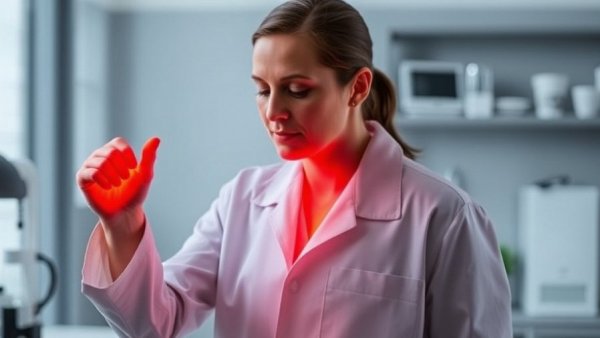
Unlocking the Mysteries of Caloric Burn
Scientists at the University of Basel have made an intriguing discovery that challenges our understanding of how the human body burns calories. By investigating the action of a specific drug, they found that energy expenditure can increase significantly without necessarily activating the much-studied brown fat tissue. This raises an important question: if brown fat, known for its calorie-burning capabilities, isn’t the primary source of this heightened energy expenditure, then where is the energy being consumed?
The Role of Brown Fat in Weight Management
Brown adipose tissue (BAT) operates differently than regular white fat; instead of storing energy, it burns calories to generate heat. This makes it an area of great interest for scientists looking to develop effective obesity treatments. People with more active brown fat often exhibit leaner physiques and better metabolic health outcomes. Historically, exposure to cold environments has been known to activate brown fat, prompting researchers to search for medications that could mimic this effect.
Unexpected Results: Fenoterol's Impact
In their recent study, the team led by Professor Matthias Betz conducted experiments with eleven healthy volunteers, comparing the energy-burning effects of mild cold exposure against those induced by fenoterol, a medication aimed at stimulating the beta2 adrenergic receptors known to activate brown fat. Both methods succeeded in increasing energy expenditure, but the PET/CT scans revealed a critical distinction: the cold exposure resulted in clear activation of brown fat, while the fenoterol did not.
“We were surprised that energy expenditure increased strongly with fenoterol even though we could not detect a comparable activation of brown fat,” said Professor Betz. This leads to more deep-seated questions about what mechanisms are at play when energy consumption rises following the administration of certain drugs.
Understanding Energy Expenditure Beyond Brown Fat
With the intriguing finding that fenoterol could significantly boost calorie burn without activating brown fat, researchers are exploring other potential tissues involved. Skeletal muscle and white fat are under scrutiny as possible contributors to the increased energy expenditure observed in response to the drug. This complexity suggests that our understanding of fat metabolism requires a significant re-examination beyond the well-charted pathways of brown adipose tissue alone.
Future Drug Development and Implications
The implications of such findings could be transformative for future obesity treatments. Current weight loss medications typically work by reducing appetite, but they often result in a compensatory metabolic slowdown as people lose weight. A breakthrough add-on therapy that not only curbs hunger but also boosts calorie burning could revolutionize treatment strategies for obesity.
“Ideally, we could combine a reduction in appetite with an increase in energy expenditure,” commented Betz. However, achieving this requires a more profound understanding of the biological signals and receptors that govern brown fat functionality.
The Bigger Picture: A Call to Further Research
As the researchers delve deeper into understanding the mechanisms of brown fat regulation, it will be vital for the scientific community to pursue interdisciplinary approaches that encompass metabolic biology, pharmacology, and nutritional sciences. Such collaboration could yield insights that not only clarify the existing mysteries of energy expenditure but also pave the way for innovative therapies that address obesity effectively.
In conclusion, this unexpected twist in the body’s method of calorie burning is a reminder of the complexity of human biology. As we continue to unlock these mysteries, it becomes imperative to keep exploring innovative solutions for managing obesity. Future research will undoubtedly shed more light on the intricate dance of energy balance and metabolism, revealing promising avenues for effective intervention.



Write A Comment