

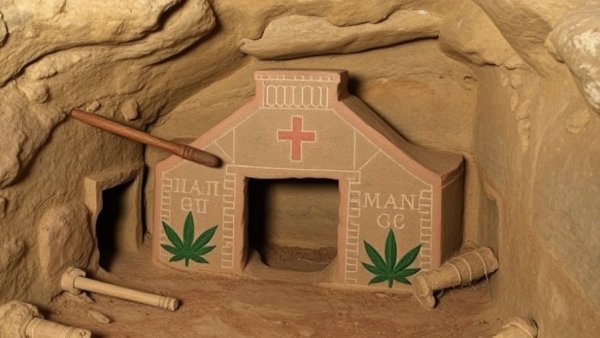
Astonishing Discovery: Ancient Cannabis Use in Siberia
The recent excavation of a nearly 2,800-year-old tomb in Siberia has unveiled the oldest direct evidence of cannabis use, tied notably to intricate burial rituals of the Scythians. This astonishing discovery not only reveals a fascinating aspect of ancient culture but also indicates the historical significance of psychoactive plants that have captivated human societies for millennia.
Context of Siberian Traditions
The Scythian culture, famed for their equestrian prowess, thrived in the expansive steppes of Eurasia. The tomb, discovered in the Republic of Tyva, highlights their elaborate burial practices, which included animal sacrifices and the inclusion of potent psychoactive substances like cannabis. Used as much for its intoxicating properties as for practical applications, cannabis played an essential role in their rituals and daily lives. This duality complicates our understanding of its use, highlighting that it was not merely recreational but interwoven with spiritual beliefs and practices, making its significance profound in the cultural landscape of ancient Siberia.
Evidence Uncovered: Cannabis Seeds and Chemical Signals
The tomb’s contents revealed around 1,000 well-preserved cannabis seeds. The precise age of these seeds was confirmed through radiocarbon dating, indicating their deposition in the early 8th century B.C. However, aside from mere seeds, researchers made groundbreaking findings in human hair from the burial chamber. Through advanced mass spectrometry techniques, chemical signals indicating the presence of cannabinol (CBN) were identified, providing strong evidence of cannabis consumption by the deceased. This suggests that the Scythians likely inhaled cannabis, integrating its psychoactive effects into their burial rituals. The deliberate inclusion of cannabis in these rites suggests its potency and cultural importance, showing that ancient peoples sought a connection to the divine or an altered state of consciousness during pivotal life transitions, like death.
Significance of the Research
This research dramatically changes the narrative surrounding ancient cannabis usage. Scott-Garfield Thompson, an archaeologist with a keen interest in ancient plants, notes that while cannabis use has been documented in various cultures, the combination of archaeological and chemical evidence in this tomb is unparalleled. "This study bridges artifacts and human experience, bringing to light how ancient societies intertwined their spirituality with natural substances," he explains. This insight not only enriches our understanding of Scythian culture but also prompts a broader reflection on how psychoactive plants have served various roles across civilizations, from medicine to ritualistic substances.
The Modern Relevance
The implications of this discovery resonate today as society continues to grapple with cannabis legalization and its historical stigmas. Understanding ancient cultures' approaches to cannabis may redefine perspectives on its use in modern society. With evolving views on health and wellness, acknowledging historical ties can foster a more nuanced dialogue around cannabis — shifting from stigma to acceptance. The lessons experienced by the Scythians regarding psychoactive substances can inform contemporary debates surrounding the integration of cannabis into various aspects of life, including wellness and medicine.
Future Predictions: Cannabis in Cultural Revitalization
As studies like this unfold, we may see a growing trend in cultural revitalization, wherein ancient practices, including the use of cannabis, are reexamined and incorporated into modern wellness and holistic practices. The revival of ancient wisdom concerning natural psychoactive substances poses opportunities for healing and self-exploration in contemporary settings. This exploration of ancient practices could lead to a renaissance of interest in natural alternatives to modern pharmaceuticals, as individuals search for more organic approaches to health.
Take Action and Learn More about Cannabis History
As cannabis becomes increasingly normalized, it's vital for individuals interested in its usage for health or recreational purposes to seek knowledge of its rich historical background. Engaging with or joining local discussions or online forums can enhance understanding and awareness of cannabis's applications throughout history and its potential future in a rapidly changing world. Additionally, resources such as historical texts and scholarly articles can provide deeper insights into the intricate relationship between human culture and cannabis, empowering individuals with knowledge and a broader context for discussions about this significant plant.





Write A Comment