
The Alarming Rise in Reports of Cardiac Issues Linked to Energy Drinks
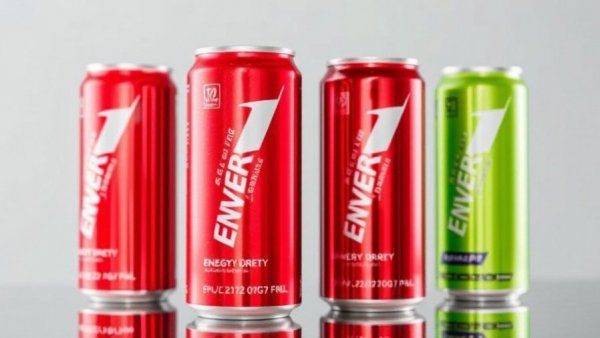
In an eye-opening report released by the American Heart Association, a new study has found a staggering link between energy drinks and serious cardiovascular events. Researchers uncovered that these caffeinated beverages are associated with 11 times more reports of cardiac arrest than beverages without stimulants, raising alarms particularly among the young adult demographic. People aged 18 to 34 accounted for nearly half of the documented cases involving heart complications, underscoring the urgent need for awareness and caution regarding energy drink consumption.
Understanding the Risks: What Makes Energy Drinks Dangerous?
While it is crucial to note that the study does not definitively prove that energy drinks cause these medical emergencies, the alarming frequency of reports suggests that further investigation is warranted. Energy drinks are not just ordinary beverages. They often contain high levels of caffeine, sometimes exceeding three times the amount found in traditional brewed coffee. Furthermore, stimulant supplements can raise these levels to even more alarming heights, with some containing over 12 times the caffeine of standard coffee.
A Market on the Rise: The Popularity of Energy Drinks
The energy drink's market has witnessed exponential growth, with sales doubling over the last decade, surpassing the $20 billion mark in 2024. This surge in popularity coincides with increased incidents of heart issues related to these products, prompting health experts to urge caution regarding their consumption. The way energy drinks are marketed contributes to the perception that they are harmless, often placed alongside sodas and bottled waters, which can mislead consumers about their safety profiles.
Key Concerns Beyond Caffeine Levels
The risks posed by energy drinks are compounded by factors beyond just their caffeine content. The absence of rigorous FDA regulations for these beverages—classified as foods or dietary supplements rather than medications—means they are not subjected to the same safety checks as pharmaceuticals. As a result, consumers may not be fully informed about the potential health risks associated with these products, particularly when used in conjunction with other stimulants or during physical exertion.
What You Can Do: Recognizing Warning Signs
For those who enjoy energy drinks, moderation is key. According to the American Heart Association, a daily intake of up to 400 mg of caffeine is generally safe for healthy adults. However, the caffeine concentration in energy drinks can vary significantly, and individuals may unknowingly exceed this limit with regular consumption. Being vigilant about how these products affect your health is paramount. Signs of potential issues can include heart palpitations, dizziness, or an increased sense of anxiety after consumption. If any of these symptoms arise, it is advisable to consult with a healthcare professional.
Final Thought: The Power of Consumer Awareness
As awareness of these health risks grows, empowering consumers with information becomes essential. The rise in reported cases of cardiac arrest linked to energy drinks serves as a crucial reminder to scrutinize the ingredients of these popular beverages. Individuals should weigh the benefits against the potential risks and consider alternative, healthier options for energy boosts. It is vital to foster discussions around consumption patterns and encourage responsible choices to safeguard our heart health.




Write A Comment