

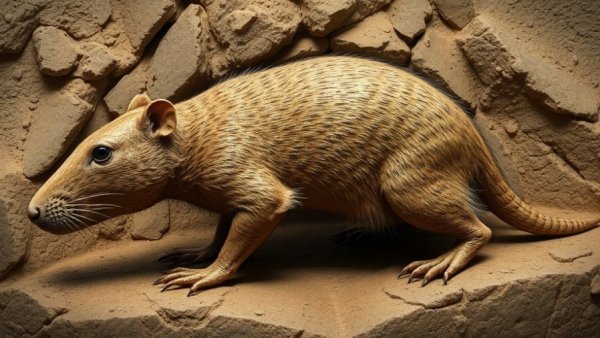
The Discovery of Yakamys sirindhornae: A Glimpse into Prehistoric Thailand
In a remarkable discovery highlighting the ancient biodiversity of Southeast Asia, scientists have unveiled fossils of a giant rodent named Yakamys sirindhornae, which lived about 34 million years ago during the Paleogene period. Found in the Krabi Province of Thailand, these fossils provide a fascinating look into the evolutionary history of rodents and suggest that the emergence of these large creatures happened much earlier and in more diverse regions than previously understood.
What Makes Yakamys sirindhornae Unique?
This recently identified species, based only on two teeth, measures approximately 66 pounds or 30 kilograms—twice the size of its contemporary rodents. Researchers, including Virginie Millien from McGill University, employed various tooth measurement methods to estimate its weight, although they caution that reconstructing the features of extinct animals from limited fossil evidence entails considerable uncertainty. The findings affirm that Southeast Asia was a significant site for the evolution of giant rodents, countering the long-held belief that such species primarily evolved in South America.
A Historical Context of Rodent Gigantism
Giant rodents, while rare, have existed throughout mammalian history. Previously, the capybara held the title as the largest living rodent, yet studies indicate that evolution has favored larger bodies multiple times across various rodent lineages, primarily in South America. This new evidence from Thailand adds another layer to our understanding of geographic diversity in the evolution of large-bodied rodents and transitions our perception of where these evolutionary feats occur.
The Ecological Impact of Large Rodents
The discovery not only showcases ancient life forms but also raises questions about the ecological roles these large rodents may have played in their environments. With their impressive size, Yakamys sirindhornae would have likely been an important herbivore, impacting the vegetation and other species in its habitat. Understanding these relationships forms a crucial part of piecing together past ecosystems and the dynamics of prehistoric biodiversity.
Future Directions for Research
The fossils unearthed open several doors for future research. Paleontologists are eager to explore further regions and uncover additional fossils that may reveal more about the anatomy and lifestyle of Yakamys. Ongoing interdisciplinary studies combining paleontology and ecology will help paint a fuller picture of these creatures who once roamed Southeast Asia's lush landscapes.
The Cultural Significance of Yakamys sirindhornae
The name Yakamys, meaning 'giant' in Thai, and the species name sirindhornae, honoring Thai royal support for science, exemplifies how science and culture intersect. This initiative underlines the importance of collaboration in paleontological endeavors. The efforts of scientists from various backgrounds have led to this pivotal discovery, showcasing the global effort to unravel our Earth’s history.
Conclusion: Why Discoveries from the Past Matter
Uncovering ancient species such as Yakamys sirindhornae serves not only to enrich our scientific knowledge but also instills a sense of wonder about the planet's history. Each fossil has a story to tell about resilience, adaptation, and the interconnectedness of life over millions of years. As research continues and more discoveries are made, we gain deeper insights into the vast tapestry of life that has shaped the Earth.
For those interested in unraveling the mysteries of our planet and its inhabitants, staying informed about ongoing paleontological research is vital. The importance of understanding our Earth's past cannot be overstated, as it informs current ecological and evolutionary studies, guiding principles in conservation efforts and biodiversity protection.





Write A Comment