

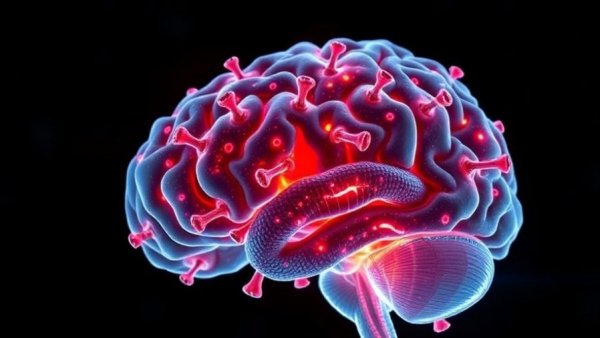
A Viral Legacy: How DNA Influences Brain Evolution
A recent study from Lund University sheds light on a fascinating aspect of human evolution, linking an ancient virus to the brain development differences between humans and chimpanzees. Researchers discovered that a virus, known as PTERV1, which infected chimpanzees millions of years ago, altered the activity of a gene called LINC00662, significantly impacting brain development.
The Role of LINC00662 in Brain Development
When examining the early stages of brain development, scientists found that LINC00662 remains active in humans but is effectively silenced in chimpanzees due to the viral DNA embedded in their genome. This genetic alteration connects to key neurological processes, suggesting that the regulation of this gene may influence cognitive abilities and behavioral traits seen in humans. This revelation supports the idea that ancient viral infections can leave lasting genetic marks on the host's evolutionary path. As Professor Johan Jakobsson of Lund University points out, understanding gene regulation differences is crucial to unlocking how our brains have developed uniquely.
Decoding Infectious Diseases Through History
Beyond the immediate implications of this research, it highlights a broader historical context—the impact of infectious diseases across evolutionary timelines. While contemporary society often focuses on modern pandemics, this study serves as a reminder that creatures, including ourselves, have faced infectious diseases throughout the ages. The remnants of these ancient infections tell a storied history of adaptation and survival, marking their influence on our genetic makeup.
Investigating Miniature Brains for Deeper Insights
To further understand the differences between human and chimpanzee brain development, researchers created brain organoids from both species. These miniature brain models enable scientists to observe how these evolutionary divergences manifest at a cellular level. Initial results show marked structural differences, reinforcing the idea that ancient viral DNA impacts not just genetics but the physical manifestations of the brain itself. Such insights could steer future research towards understanding how these differences influence cognitive function and emotional regulation.
Implications for Modern Science and Inherited Traits
These findings introduce exciting opportunities for future research into gene regulation and neurogenetics. By comprehending how viral genetics shapes brain development, scientists can forge pathways to addressing various neural disorders that affect humans today, such as autism and schizophrenia. Moreover, exploring how such traits are inherited may lead to breakthroughs in personalized medicine and treatments. These advancements could change our approach to mental health, allowing for tailored strategies that consider individual genetic backgrounds.
Why This Matters to You: Understanding Our Shared Evolution
The implications of this research extend beyond scientific curiosity. It may help elucidate the complexities of brain disorders, offering new perspectives on mental health treatments and neurological research. In a world where understanding our genetic history can inform our present lifestyle choices, acknowledging these ancient influences can inspire both scientific exploration and personal introspection. Recognizing that our neurological development reflects a path shaped by ancestral challenges can lead to a deeper appreciation of our evolutionary narrative.
What to Take Away From This Study
In summary, the interplay between ancient viruses and brain development illustrates the complex tapestry of our evolution. As we continue exploring these genetic influences, the lessons learned can impact our understanding of fundamental biology and guide future innovations in medical science. This research underscores the importance of integrating evolutionary biology with modern health and wellness strategies.
As you reflect on this intersection of ancient history and modern science, consider how the knowledge we gain can inform the way we navigate health and wellness in our lives. The past holds clues to our future, and understanding these connections can empower us to manage our health more effectively. Knowledge of our origins helps shed light on the potential of our minds and bodies, reminding us that embracing our shared evolutionary heritage can enhance our pursuit of wellness and understanding.





Write A Comment