

The Surprising Role of Vitamin B12 in Battery Technology
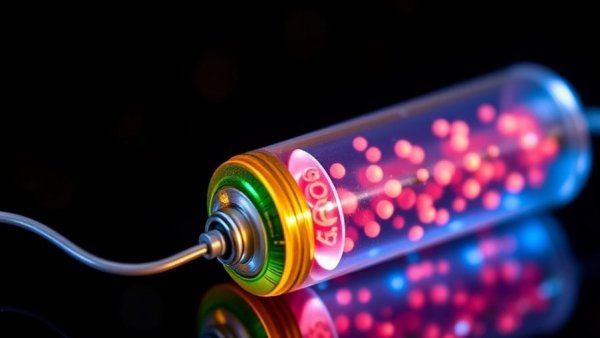
In a breakthrough that intertwines health and technology, scientists at the University of Córdoba have crafted a rechargeable battery utilizing vitamin B12. This vitamin, well-known for its role in human health, now finds a new identity as a pivotal component in energy storage devices. With a prototype capable of enduring up to 250 charging cycles, this innovation potentially paves the way for safer and more sustainable alternatives to the ubiquitous lithium-ion batteries.
Unpacking the Science: How It Works
The research spearheaded by the Physical Chemistry group at the University of Córdoba employs vitamin B12 as a catalyst, enhancing the performance of a battery that uses zinc and oxygen from the environment to generate electricity. By affixing vitamin B12 to single-walled carbon nanotubes—mimicking natural molecular bonding—the researchers effectively integrated a critical force for the battery's electrochemical reactions. This innovative approach not only helps stabilize the vitamin in a desired aqueous environment but also raises the potential for future applications of biological molecules in energy storage.
Why This Breakthrough Matters
With rising concerns about the environmental impact and safety associated with lithium-ion batteries, this new development signals a significant shift. Lithium-ion technology relies heavily on rare materials such as lithium and cobalt, which are not only expensive but also environmentally hazardous to extract. A battery that can leverage a common nutrient like vitamin B12 points towards a future where energy storage can be cheaper, greener, and potentially more universally accessible.
Real-World Implications: A More Sustainable Future
The implications of a vitamin B12-based battery extend beyond just an innovative scientific achievement. If commercialized, this technology could improve energy management across various sectors, from electric vehicles to consumer electronics. Moreover, exploring biological resources in battery development aligns with a broader trend of seeking sustainable tech solutions that responsibly tap into readily available organic materials. Such strides could revolutionize our relationship with energy storage, particularly in urban environments like Dallas, where sustainable living attracts many.
Connecting Technology to Lifestyle: A Dallas Perspective
For Dallas residents, the push towards greener technology resonates strongly within the local lifestyle narrative. As the city increasingly embraces innovation, the notion of transforming commonplace nutrients into vital energy sources aligns with the ongoing quest for sustainable living practices. Residents eager to adopt new lifestyles can find opportunities to engage with technology that promises a lower carbon footprint, reflecting the city’s commitment to a greener future.
Conclusion: What Can We Expect Next?
This exciting development opens the door to myriad possibilities in energy technology. While it is still in the prototype phase, the team's success with vitamin B12 sets a precedent for the exploration of biological materials in battery technologies. For individuals and communities, understanding and embracing these changes can enhance not only personal lifestyles but also inform larger discussions on sustainability and energy use.
As battery technology continues to advance, staying informed about emerging innovations—like the vitamin B12 rechargeable battery—remains essential not only for tech enthusiasts but for anyone invested in the future of sustainable living in cities like Dallas. Keep an eye on these developments, as your choices today can shape the landscape of energy consumption tomorrow.





Write A Comment