

A Cosmic Discovery: Genetic Ingredients from Space
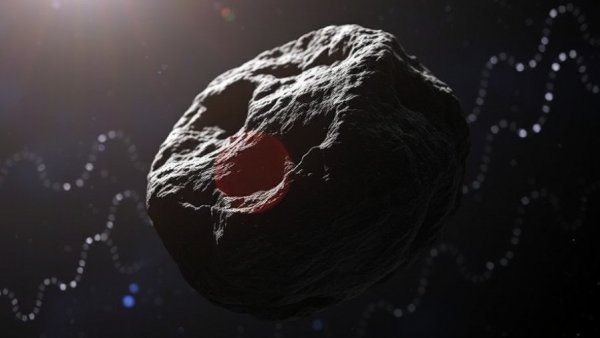
In a groundbreaking revelation, scientists have discovered all five essential nucleobases of DNA and RNA present in pristine samples returned from asteroid Ryugu. This remarkable finding not only underscores that key ingredients for life may have existed in space billions of years ago but also adds to a growing body of evidence suggesting that these molecular building blocks were widespread in our early Solar System.
The Ryugu samples were collected during Japan’s Hayabusa2 mission, which returned to Earth with 5.4 grams of asteroid material in 2020. After rigorous analysis, researchers confirmed the existence of adenine, guanine, cytosine, thymine, and uracil—the five fundamental “letters” that form the genetic code necessary for the growth and reproduction of organisms.
The Importance of Nucleobases
Nucleobases are nitrogen-containing organic molecules fundamental to the genetic information encoded in DNA and RNA. Without them, the genetic code that enables life forms to grow, reproduce, and evolve simply wouldn’t exist. Understanding how these molecules originate offers deeper insights into the chemical processes that could have sparked life on Earth.
In a series of tests conducted in ultra-clean lab conditions to prevent contamination, researchers utilized water and hydrochloric acid to extract these nucleobases. Analysis of Ryugu's specimens substantiated a significant finding: the remarkable balance of purines and pyrimidines contained within the samples is consistent with patterns observed in other cosmic bodies like meteorites. This indicates that the chemistry required for life may have been laid out across the cosmos.
Connecting the Dots: Previous Findings
This new discovery aligns with past findings regarding organic molecules in space. The Murchison meteorite and the Orgueil meteorite have previously yielded a variety of organic compounds, demonstrating that similar processes likely occurred elsewhere in the Solar System. For instance, the Murchison meteorite, known for its rich purine content, provides a perfect contrast to the findings from Ryugu and Bennu, both of which are enriched in pyrimidines.
Asteroids: The Time Capsules of Space
Asteroids like Ryugu and Bennu serve as time capsules from the early Solar System. These bodies preserve materials largely unchanged for approximately 4.5 billion years, offering valuable insights into the primordial environment where early life could have originated. The chemical variations among asteroids indicate distinct evolutionary paths for these molecular ingredients that sparked life.
Interestingly, researchers postulate that the differences in chemical composition—largely influenced by molecules like ammonia—may affect how nucleobases form, revealing a complex interplay at work within the cosmos. Comparing the pristine samples from Ryugu with those from meteorites allows scientists to trace the cosmic journey of life's probable molecular ingredients.
Looking Ahead: What Does This Mean for Our Understanding of Life?
The implications of these discoveries ripple throughout scientific communities. They suggest that carbon-rich asteroids in our Solar System contain a diversity of prebiotic chemistry that could have contributed to the genesis of life on Earth. This insight challenges us to rethink the boundaries of where and how life may arise, engaging with questions about extraterrestrial biology.
Why It Matters to Us
The exploration of these asteroids not only informs our understanding of biological origins but also enriches our narrative as earthlings in an interconnected universe. Cosmic events may have directly influenced the evolution of life on our own planet. As residents of Earth, the knowledge that building blocks of life might have originated from space is both inspiring and grounding.
Finding these genetic elements in ancient asteroids might also ignite further research and discussions on the potential for life beyond Earth and the philosophical implications surrounding our existence.
Get Inspired: Our Place in the Cosmos
As we delve into these extraordinary revelations, we invite you to consider the broad scope of our universe. The key ingredients of life may not only reside within our Blue Planet but are interwoven with the fabric of our cosmos. To learn more about how these discoveries can impact our view of life beyond Earth, stay engaged with educational discussions and advancements in space research.





Write A Comment