

The Intriguing Discovery of Scaphokogia Huachafo
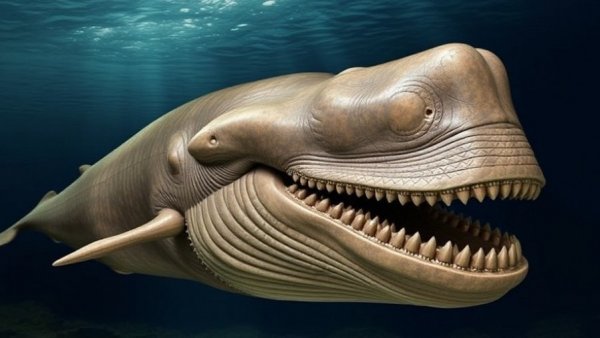
Imagine stumbling upon a creature so bizarre that it challenges everything we know about mammalian anatomy. Enter the Scaphokogia huachafo, a newly discovered species of extinct pygmy sperm whale that roamed the seas about 6 million years ago. Scientists have uncovered this extraordinary whale in the Pisco Formation of southern Peru, known for its remarkably preserved prehistoric fossils. What lies at the heart of this find? A skull so drastically asymmetrical that researchers initially suspected it had been deformed after death. However, closer examination revealed that this crooked face was a natural evolutionary marvel, representing perhaps the most extreme facial asymmetry among mammals to date.
Understanding the Anatomy of Scaphokogia Huachafo
The fossilized remains of Scaphokogia huachafo measure roughly 2.7 meters long, displaying a level of cranial distortion that goes well beyond the natural variations found in modern sperm whales. Lead researcher Aldo Benites-Palomino emphasizes that while toothed whales are known for their unique cranial structures—characterized by fatty tissues in the forehead responsible for echolocation—this particular whale exceeds those known deviations. The leftward shift of both nostrils and the mismatch in facial bones paint a picture of an animal whose anatomy defies conventional symmetry.
The Evolutionary Advantage of Asymmetry
Asymmetrical skull structures in toothed whales are linked to functionalities like echolocation and sound production. The extraordinary design of Scaphokogia huachafo suggests a specialization for hunting along the seafloor. Such adaptations allow these creatures to navigate their environments with enhanced precision, indicating that evolution often favors specialized adaptations over what we might perceive as ideal symmetry. This phenomenon raises interesting questions about the selective pressures faced by ancient marine mammals.
Bridging Past and Present: Why This Matters
The discovery of Scaphokogia huachafo not only showcases the diversity of marine life that once existed but also serves as a reminder of the complexities of evolutionary biology. Understanding these ancient adaptations can have implications beyond paleontology, shedding light on how current marine species might respond to environmental changes. With climate change impacting oceanic ecosystems, insights gained from studying prehistoric species like Scaphokogia could inform conservation strategies for modern cetaceans facing similar threats.
Connecting with Modern Life: The Human Element
This discovery may seem far removed from everyday life, but it resonates with our quest for knowledge and understanding. Just as Scaphokogia huachafo evolved uniquely to adapt to its environment, today’s humans must navigate changes in urban living, especially in cities like Dallas. The challenges and opportunities faced by today's populations echo the adaptability and resilience seen in nature. As residents of a vibrant city, acknowledging these connections can inspire an appreciation for both history and our present, telling us that evolution—be it cultural or biological—continues to shape our world.
Conclusion: Evaluating Our Own Adaptations
As we learn more about unique adaptations in the animal kingdom, we can draw parallels to our lives today. The cost of living in cities like Dallas, with its rapid growth and diversity, prompts thoughtful conversation about lifestyle choices and the values that guide us. Just as ancient creatures adapted to survive, we, too, must find ways to thrive in evolving communities. Discover the current trends and developments in Dallas lifestyle management, whether it's through lifestyle clinics, influential local figures, or simply enjoying the unique fabric of the city.




Write A Comment