
Snap’s Speed Filter: A Tragic Legacy
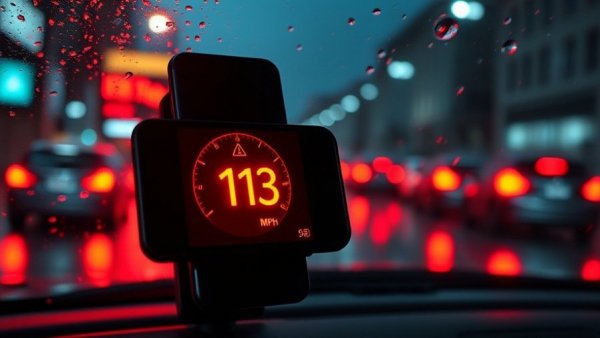
In a world where technology advances at lightning speed, the consequences of our innovations must be critically examined. The recent case involving Snap Inc. and its speed filter feature on Snapchat has shed light on significant concerns surrounding technology use and personal safety. Wentworth Maynard, a 60-year-old architectural draftsman, was left fighting for his life after an accident caused by a young driver who was reportedly speeding to capture a Snapchat photo. Over the years, numerous warnings regarding the perils of this filter were disregarded, ultimately leading to a heartbreaking outcome.
The Unfolding Tragedy
Maynard’s story serves as a grim reminder of the dangers associated with distracted driving. In 2015, the incident occurred when an 18-year-old struck his car whilst trying to achieve high speeds for a social media update. Tragically, Maynard spent weeks in a coma and now lives with severe impairments, unable to engage fully with life or care for his family. The consequences of his accident extend beyond his immediate family, highlighting the urgent need for more responsible practices when using technology.
Lost Warnings
Despite clear warnings from users, employees, and investors alike, Snap continued to uphold the speed filter without hesitation. Signs of potential danger were consistently overlooked. User complaints piled up, and Snap's own staff raised concerns regarding distracted driving as early as 2015. Yet it wasn’t until the numerous reports connecting the feature to fatal accidents that action was finally taken, leading to the filter's removal in 2021.
The Ripple Effect: Distracted Driving's Rise on Social Media
Even following the filter's removal, drivers continue to exhibit reckless behavior in pursuit of social media fame, posting videos of their dangerous stunts across platforms like TikTok and Instagram. The #speedhunters hashtag showcases the thrill-seeking culture that encourages reckless driving, reflecting how technology can influence behavior negatively. In fact, a vast percentage of young drivers still participate in this trend, prioritizing social media 'likes' over their safety—and that of others.
Talking to Your Teens: Addressing Dangerous Trends
So, how do concerned parents engage their teens about responsible driving? Start the conversation by inquiring about the videos they see online. Inviting them to discuss the content may lead to a more robust dialogue regarding the lasting consequences of risky driving. Sharing Wentworth’s story could personalizes the issue and drive the point home: a moment of distraction not only endangers oneself but also affects families deeply.
Action Steps Parents Can Take
Parents are encouraged to take proactive measures, such as using technology to promote safe driving behaviors. On smartphones, consider enabling Driving Focus or similar modes that help limit distractions while driving. Using apps like HeyPolo, which tracks driving scores, can also motivate safer habits, fostering a sense of accountability among family members.
Final Reflections on the Intersection of Technology and Responsibility
This cautionary tale regarding Snapchat's speed filter stands as a lesson for the tech industry and society as a whole. Although technological advancements grant users unprecedented capabilities, they also carry a responsibility to wield them wisely. The tragedy of Wentworth Maynard should not be forgotten, serving as a crucial reminder of the human cost of reckless behavior fueled by technology. Engaging in meaningful conversations and taking action to mitigate risks holds the potential to safeguard lives and foster a more responsible approach to technology in our daily lives.




Write A Comment