
Impact of the Expanded College Football Playoff Format on Local Events
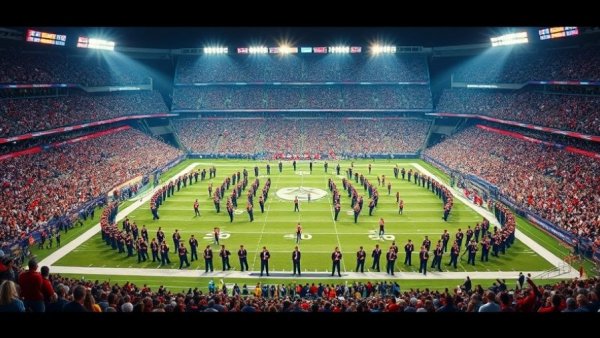
This year's Big 12 Conference championship game marks a significant transition, being the last to take place at AT&T Stadium due to the upcoming expansion of the College Football Playoff to a 24-team structure. While this new format aims to increase the excitement and competitiveness of college football, it comes with the downside of losing what has long been considered a major event in the sports calendar for the Big 12 and its fans. The championship game has represented not only athletic prowess but also a gathering place for communities and families across the region, fostering a sense of unity and pride.
What the Change Means for Fans and Teams
For fans of college football, an expanded playoff means more opportunities for teams to compete for the national title. However, it may also dilute the importance of conference championships, which have traditionally been high-stakes games crucial for postseason qualification. Such games have captured the hearts of fans and often showcased intense rivalries. With the end of the Big 12 championship at AT&T Stadium, there's a sense of loss in the community, as this event has been a hallmark of regional football culture. Many fans have vivid memories of thrilling plays, tailgate gatherings, and celebrations that followed these games, making it more than just an athletic event but a cultural touchstone for many.
The Perspective of Big 12 Commissioner Brett Yormark
Commissioner Brett Yormark has voiced his thoughts on the upcoming changes, indicating that the expansion could bring positive changes to the overall competitive nature of college football. His support for the playoff expansion has been aligned with the interests of student-athletes, opportunities for growth, and potential benefits for the economic development of Dallas. Yormark emphasizes that this transition could level the playing field, allowing more teams from various regions to showcase their talents on a national stage. This broader exposure may enhance recruiting opportunities and help elevate the visibility of the Big 12 athletic programs in the crowded landscape of college sports.
Dallas Business Community and Economic Implications
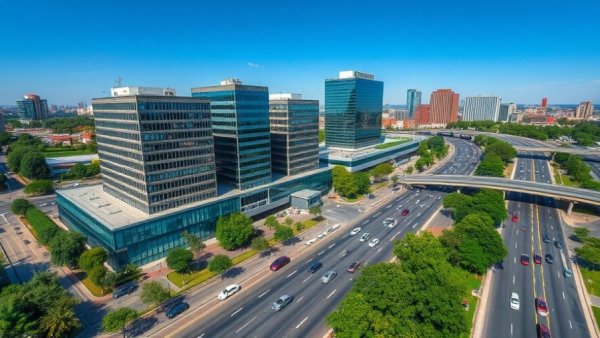
The departure of the championship from AT&T Stadium will undoubtedly have repercussions on the local economy, which thrives significantly on event tourism. The Dallas business climate has traditionally benefited from large-scale sporting events through increased foot traffic to hotels, restaurants, and local businesses. According to local business analysts, the absence of this marquee event could lead to a downturn in economic activities during the football season. Events like the Big 12 championship brought in thousands of fans and tourists, providing a significant financial boost. The local economy may need to pivot toward other events and entertainment options to maintain momentum during the otherwise slow winter months.
The Future of College Football in Dallas
Despite the sadness surrounding this particular change, Dallas remains a vibrant hub for college football. Local support for other events, combined with the development of athletic facilities and community engagement, can help mitigate the impact of this shift. New potential initiatives may emerge to fill the void left by the championship's departure, perhaps focusing more on community-based events or other sporting competitions. With strong support from universities and local organizations, new formats for competition could also be introduced, potentially involving high school football showcases that could become the new staple of the area.
Final Thoughts: Preparing for the Transition
As the Big 12 Championship concludes its tenure at AT&T Stadium, all eyes are on the future of college football in Dallas. While fans and businesses lament the end of a beloved tradition, adjusting to the expanded playoff represents a broader evolution in college sports. The local business community will need to adapt and innovate to ensure that the Dallas economy continues to thrive in this changing landscape. Engaging with fans through alternative events and remaining flexible to new opportunities could serve as both a challenge and a chance to redefine the college football experience in Dallas. With a proactive approach, the city can maintain its reputation as a sports destination while embracing the future of college athletics.



Write A Comment