
The Surge in International Airfares: What It Means for Travelers
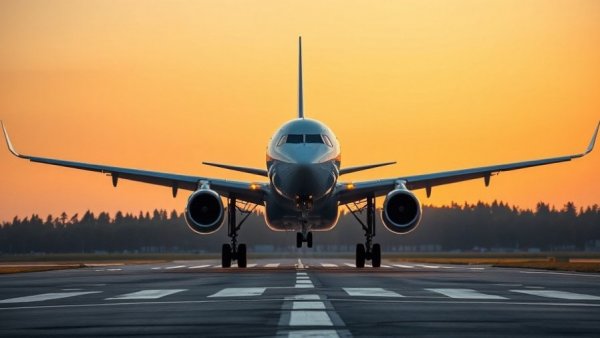
The airline industry is currently grappling with a significant surge in prices for international flights, particularly since the onset of the conflict in Iran. Over two dozen flight routes have experienced fare increases that have effectively doubled. This steep rise in prices is most notably affecting travel from Florida airports to various Caribbean destinations, such as the Bahamas and Jamaica, where vacationers have traditionally flocked year-round.
Impacts of Rising Costs on Travelers
For American travelers, this heightened airfare can alter travel plans significantly. The burden of higher prices, especially for families or budget-conscious travelers, can deter many from booking trips altogether. Reports indicate that travelers are increasingly considering alternate forms of transportation or destinations closer to home, transforming how holiday planning is approached. As a result, many may look to drive to nearby beach resorts or national parks, where they can enjoy a break without the steep airfare costs.
The Bigger Picture: Economic Factors at Play
The escalating prices can be traced back to several financial factors, including fluctuating jet fuel prices and general inflation. Airlines often adjust their pricing based on operational costs, and the unrest caused by global conflicts—like the one in Iran—creates anxiety in the market, leading to higher operational costs overall. Fuel prices have seen variability, reflecting how geopolitical tensions and supply chain issues can impact markets directly. This situation has prompted travelers to voice their concerns and seek alternative travel arrangements, causing a ripple effect through the travel industry as potential passengers reconsider their plans.
Future Predictions: Will Prices Ever Drop?
Experts are divided on the outlook for international airfare prices. Some believe that rates will stabilize in the long term, provided geopolitical tensions decrease. However, others argue that the combined pressures of increased demand for travel, rising technological costs, and changing consumer behavior may maintain elevated pricing for the foreseeable future. Travelers looking to plan future trips may need to adjust their expectations and budget more significantly, considering that experiences might not be as easily accessible as in previous years.
A Cultural Shift: Rethinking Travel
This price increase signals a cultural shift in travel behavior. As people adapt to higher costs, there’s a potential rise in 'staycations' or local tourism. Communities might benefit from this trend as residents choose to explore their local offerings instead of heading abroad. This presents new opportunities for Dallas businesses within the tourism and hospitality sectors to innovate and meet changing consumer demands. Local attractions may see an uptick in visitors, leading to growth in local economies. Furthermore, community businesses can utilize this chance to promote local experiences that rival traditional international vacations.
Strategies for Navigating Higher Airfares
For those who still wish to travel internationally despite the rising prices, several strategies can help mitigate costs. Booking flights well in advance, being flexible with travel dates, and exploring lesser-known airports or routes can lead to significant savings. Travelers might consider flying into major hubs and then connecting through budget airlines for shorter legs of their journeys. Additionally, monitoring sales and utilizing points or travel rewards could provide avenues for reducing the financial impact of inflation on travel. Leveraging travel apps that alert users to fare drops can also be advantageous.
In summary, the rapid increase in international flight prices has created a significant challenge for travelers looking to explore abroad. It may encourage them to think differently about travel or find alternative ways to enjoy vacations. With careful planning and consideration of alternative travel options, it’s possible to navigate these changes while enjoying international journeys or even embracing local adventures.
This situation invites consumers to not just look at travel as a leisure activity, but as a way to support local economies. By shedding light on these pressing economic changes, travelers can make more informed decisions that benefit both their wallets and the communities they reside in. By fostering local tourism, individuals can experience new cultural opportunities and promote sustainability, potentially redefining the concept of travel in the long term.





Write A Comment