

Understanding Microplastics: A Growing Concern
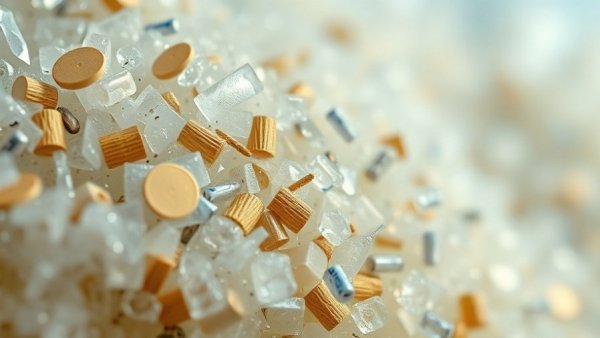
Microplastics have infiltrated our lives to an alarming degree. From the food we eat to the water we drink, these tiny plastic particles are becoming a common concern. Recent research has highlighted their unexpected dangers, including their ability to generate reactive molecules when they interact with water, raising critical questions about their long-term effects on health.
What Are Microplastics?
Microplastics are small plastic particles, typically less than five millimeters in diameter, generated from the breakdown of larger plastic items or manufactured in small sizes for products like cosmetics and personal care items. As these particles break down, their surface area increases significantly, allowing them to potentially interact with their chemical environment in new and unexpected ways.
The Hidden Chemical Danger
Recent studies led by researchers at Columbia University and the University of California, Berkeley, have unveiled a concerning property of microplastics: their ability to react with water to produce highly reactive molecules known as reactive oxygen species (ROS). These molecules can, in turn, lead to cellular damage, posing risks to both animal and possibly human health. “As plastic fragments into smaller particles, they change the water around them, creating conditions conducive to generating ROS,” explained Wei Min, a chemistry and biomedical engineering professor at Columbia.
Microplastics in the Human Body: Implications for Health
The implications of this chemical activity within the human body are still under research, but the findings raise serious health concerns. Given that blood and human cells are largely composed of water, microplastics may perpetuate their harmful effects in our bodies, potentially leading to issues such as cardiovascular diseases and neurological disorders. Health scientists emphasize the importance of understanding how these tiny particles affect biological systems, particularly as they have been detected in alarming quantities in various consumer products.
Responding to the Microplastics Crisis
In light of the mounting evidence linking microplastics to severe health risks, the U.S. government has recognized the need for action. In 2026, a federal initiative was launched, allocating $144 million towards examining the impact of toxic microplastics on human health. This is a significant step towards addressing a growing public health issue that threatens not only individuals but also ecosystems and wildlife.
The Role of Research and Innovation
Prior research has been instrumental in spotlighting the microplastics issue. Notably, Columbia researchers have developed advanced laser-based techniques to detect and quantify microplastics, uncovering an average of 240,000 detectable plastic fragments per liter of bottled water—far exceeding earlier estimates. Such innovations continue to drive awareness and open dialogue about the pervasive nature of plastic contamination in our environment.
Practical Implications for Consumers
As we navigate a world where microplastics are an inescapable reality, consumers can take a proactive stance by being mindful of products that may contain these harmful agents. This includes being cautious with plastic-wrapped food, opting for glass or metal containers whenever possible, and carefully selecting personal care items that may include microbeads.
Conclusion: Taking Action on Microplastics
It is vital that we continue to educate ourselves about the dangers posed by microplastics, as ongoing research reveals the potential health implications of these tiny particles. Industry leaders, government bodies, and individuals must unite to tackle this concern, advocating for regulations and innovations that could help reduce microplastic pollution and protect public health. By understanding the risks and taking informed actions, we can contribute to a healthier planet.




Write A Comment