


Wellness Tips For All
In The Dr. Berg Show LIVE - November 20, 2026, the discussion dives into health issues faced by many, exploring key insights that sparked deeper analysis on our end.
In The Dr. Berg Show LIVE - November 20, 2026, the discussion dives into health issues faced by many, exploring key insights that sparked deeper analysis on our end.
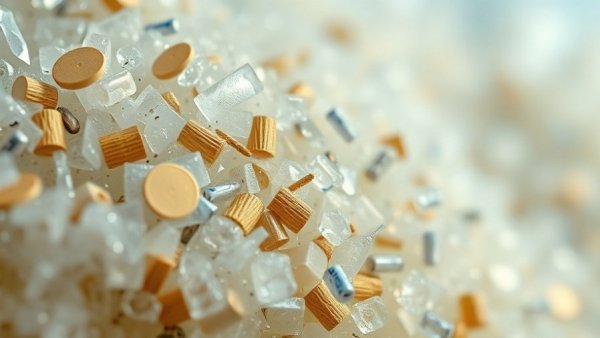
Microplastics: New Research Uncovers Surprising Health Risks
Update Understanding Microplastics: A Growing ConcernMicroplastics have infiltrated our lives to an alarming degree. From the food we eat to the water we drink, these tiny plastic particles are becoming a common concern. Recent research has highlighted their unexpected dangers, including their ability to generate reactive molecules when they interact with water, raising critical questions about their long-term effects on health.What Are Microplastics?Microplastics are small plastic particles, typically less than five millimeters in diameter, generated from the breakdown of larger plastic items or manufactured in small sizes for products like cosmetics and personal care items. As these particles break down, their surface area increases significantly, allowing them to potentially interact with their chemical environment in new and unexpected ways.The Hidden Chemical DangerRecent studies led by researchers at Columbia University and the University of California, Berkeley, have unveiled a concerning property of microplastics: their ability to react with water to produce highly reactive molecules known as reactive oxygen species (ROS). These molecules can, in turn, lead to cellular damage, posing risks to both animal and possibly human health. “As plastic fragments into smaller particles, they change the water around them, creating conditions conducive to generating ROS,” explained Wei Min, a chemistry and biomedical engineering professor at Columbia.Microplastics in the Human Body: Implications for HealthThe implications of this chemical activity within the human body are still under research, but the findings raise serious health concerns. Given that blood and human cells are largely composed of water, microplastics may perpetuate their harmful effects in our bodies, potentially leading to issues such as cardiovascular diseases and neurological disorders. Health scientists emphasize the importance of understanding how these tiny particles affect biological systems, particularly as they have been detected in alarming quantities in various consumer products.Responding to the Microplastics CrisisIn light of the mounting evidence linking microplastics to severe health risks, the U.S. government has recognized the need for action. In 2026, a federal initiative was launched, allocating $144 million towards examining the impact of toxic microplastics on human health. This is a significant step towards addressing a growing public health issue that threatens not only individuals but also ecosystems and wildlife.The Role of Research and InnovationPrior research has been instrumental in spotlighting the microplastics issue. Notably, Columbia researchers have developed advanced laser-based techniques to detect and quantify microplastics, uncovering an average of 240,000 detectable plastic fragments per liter of bottled water—far exceeding earlier estimates. Such innovations continue to drive awareness and open dialogue about the pervasive nature of plastic contamination in our environment.Practical Implications for ConsumersAs we navigate a world where microplastics are an inescapable reality, consumers can take a proactive stance by being mindful of products that may contain these harmful agents. This includes being cautious with plastic-wrapped food, opting for glass or metal containers whenever possible, and carefully selecting personal care items that may include microbeads.Conclusion: Taking Action on MicroplasticsIt is vital that we continue to educate ourselves about the dangers posed by microplastics, as ongoing research reveals the potential health implications of these tiny particles. Industry leaders, government bodies, and individuals must unite to tackle this concern, advocating for regulations and innovations that could help reduce microplastic pollution and protect public health. By understanding the risks and taking informed actions, we can contribute to a healthier planet.
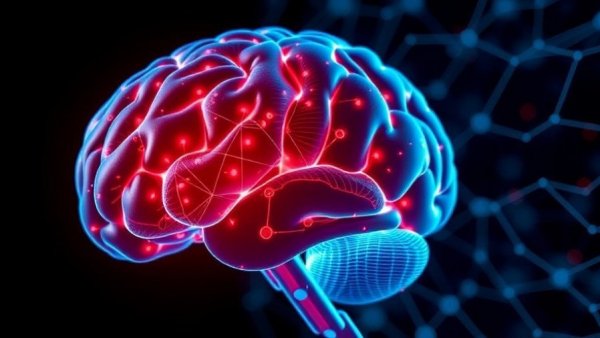
AI and Human Cognition: Are They Really Alike? A New Study Says No
Update The Surprising Truth About AI and Human Brain Function Recent advancements in artificial intelligence (AI) have led many to believe that these systems are similar to the human brain, particularly in how they process information. However, a groundbreaking study from York University challenges this assumption, revealing that AI may not operate in the same ways as our biological systems after all. This discovery raises important questions not only about the effectiveness of AI in replicating human cognitive processes but also about its reliability in fields such as neuroscience. Understanding Artificial Neural Networks Artificial Neural Networks (ANNs) have become integral tools in neuroscience for studying the brain's visual system. These systems have shown remarkable capabilities, often mimicking human responses to visual stimuli. For example, they are able to recognize objects in images—a task our brains do instinctively. But, according to the York University study, just because ANNs can predict the neural responses of the brain doesn't necessarily mean they operate through similar mechanisms. A New Perspective on Brain-Computer Interaction Assistant Professor Kohitij Kar, a key figure in the study, points out that while AI can predict how the brain works using standard tests, these tests do not account for how the brain's activity can influence the AI's internal processes. This is where the concept of "reverse predictivity testing" comes into play. By analyzing whether recorded brain activity can predict the AI's functioning, the researchers uncovered a significant disconnect. They found that while AI models effectively mimicked some brain activities, they did so without employing the same underlying processes. Implications of AI Disparities for Neuroscience Research One of the critical implications of this research is the potential for misinterpretation of brain activity when using AI as a research tool. If AI does not truly mirror the brain's operations, relying too heavily on these systems could skew our understanding of how cognitive functions work. As AI tools become integrated into more scientific domains, the accuracy of the results can be called into question. This study prompts us to reconsider not just the functionality of AI, but the very frameworks within which we understand human cognition. The Future of AI Research and Development Looking ahead, navigating these disparities is crucial for both developers and researchers. The insights from this study suggest that as we design AI systems, we need to ensure that they not only exhibit similar outputs as human cognitive processes but also align with the mechanisms through which these outputs are generated. With continuous advancements in AI, such refinements could lead to more accurate models that contribute meaningfully to our understanding of the human brain. As new AI systems are developed, creators must consider how these technologies interact with existing neurological knowledge. Final Thoughts on AI and Human Cognition The revelations from the York University study serve as a reminder of the complex relationship between artificial intelligence and human cognition. As AI systems become increasingly sophisticated, it's essential to pursue research that maintains awareness of the fundamental differences between human and machine processing. Understanding these differences not only enables more effective AI applications but also enriches our knowledge of the brain itself. Perhaps the most critical takeaway here is the need for ongoing dialogue and exploration in both AI and neuroscience fields to bridge the gap between human cognition and artificial constructs.
Keeping you well-informed and well-connected to Big D.
© 2026 Dallas Living All Rights Reserved. ,, Dallas, TX 75001 . Contact Us . Terms of Service . Privacy Policy



Write A Comment