

A New Era for Fossil Discoveries
In a groundbreaking study that spans 540 million years of marine life, scientists are challenging our perceptions of prehistoric ecosystems and where we might still find fossils that could reshape our understanding of Earth's ancient inhabitants. This study, led by paleontologists Thomas A. Neubauer and Mathias Harzhauser, focuses on filling in the gaps of fossil records and reveals exciting new avenues for exploration. The researchers' comprehensive work highlights the intricate history of life on Earth and presents a fresh perspective on our planet’s biological past.
Mapping the Unmapped: A Tool for Researchers
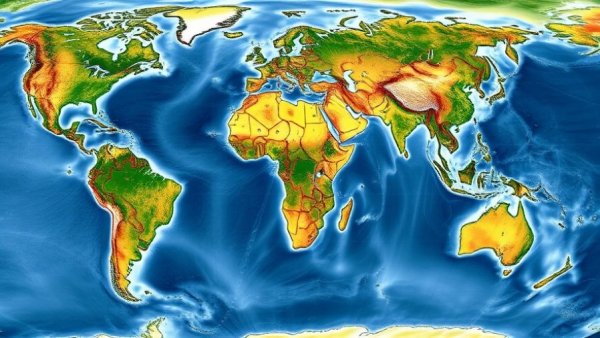
The intricate mapping process utilized the Paleobiology Database (PBDB), which holds vital information about fossil discoveries worldwide. In what is considered a pioneering effort, researchers have identified areas rich in fossil potential that remain largely untouched. The significance of this mapping cannot be understated: it serves as a powerful new tool for paleontologists planning future excavations. For instance, the study points to shallow marine deposits from the Cenozoic Era, which, while already examined, hold secrets yet to be uncovered. By effectively visualizing data trends based on previous fossil discoveries, scientists can now focus their search efforts in regions likely to yield fruitful results.
The Surprising Gaps in Our Knowledge
This research reveals an unexpected imbalance in the fossil record. While some geological periods, such as the Early Mesozoic and Paleozoic eras, have been extensively studied, researchers believe they hold little promise for new findings. Instead, it's the comparatively recent geological periods, previously overlooked, that show great potential. This insight prompts a reevaluation of where scientists allocate their research resources. According to Neubauer and Harzhauser, this valuable knowledge could lead to the discovery of entirely new species and ecosystems that once thrived in our oceans. If you’re captivated by the natural world, understanding these trends can mean witnessing the unveiling of new prehistoric life forms that could forever change science's narrative.
Global Importance and Local Implications
The implications of these findings extend beyond the confines of academia and the laboratory. Communities near these potential fossil sites, such as those in Texas, could benefit from increased scientific tourism, educational opportunities, and the influx of researchers and enthusiasts. In Dallas, for example, local lifestyle influencers often highlight unique facets of living in a city that embraces innovation and scientific discovery. This can foster a community interest in natural history, encouraging local schools and institutions to create programs that emphasize the importance of paleontology.
Rethinking Fossil Hunting and the Value of Collaboration
As this data-driven approach gains traction, it opens the door for new collaborations between academic institutions and local organizations. Partnerships can encourage citizen science initiatives, where local residents get involved in fossil hunting and research, further nurturing community spirit and engagement with the past. This cooperative model allows for the merging of academic expertise with local knowledge, potentially uncovering fossils that may otherwise remain hidden. Moreover, it enhances public interest in science, helping to cultivate the next generation of paleontologists.
Looking to the Future: Predictions and Opportunities
This innovative mapping presents a tantalizing opportunity to reconsider how we understand marine biodiversity through different geological eras. As communities recognize fossil-rich areas in their backyards, partnerships between scientists, local governments, and residents could foster an environment ripe for discovery. Not only can delightful insights about prehistoric life emerge, but cities like Dallas may also redefine their cultural landscape surrounding fossil research and paleontology. The potential for new narratives around these discoveries can inspire tourism and lead to the establishment of museums or educational centers dedicated to showcasing the area’s prehistoric treasures.
Take Action: Discover and Engage
For enthusiasts of natural history and the rich narratives hidden in our Earth, the time is now to engage and explore. Consider visiting local museums or participating in community events centered around paleontology. To fully appreciate the significance of these findings, delve deeper into the context of local research, and perhaps even visit sites that may soon become treasure troves of ancient life. As this research unfolds, every citizen has the chance to contribute to the story of our planet's past. Remain informed, participate in discussions, or even volunteer for local paleontological projects—your engagement could be the key to uncovering the lost treasures of prehistoric life.





Write A Comment